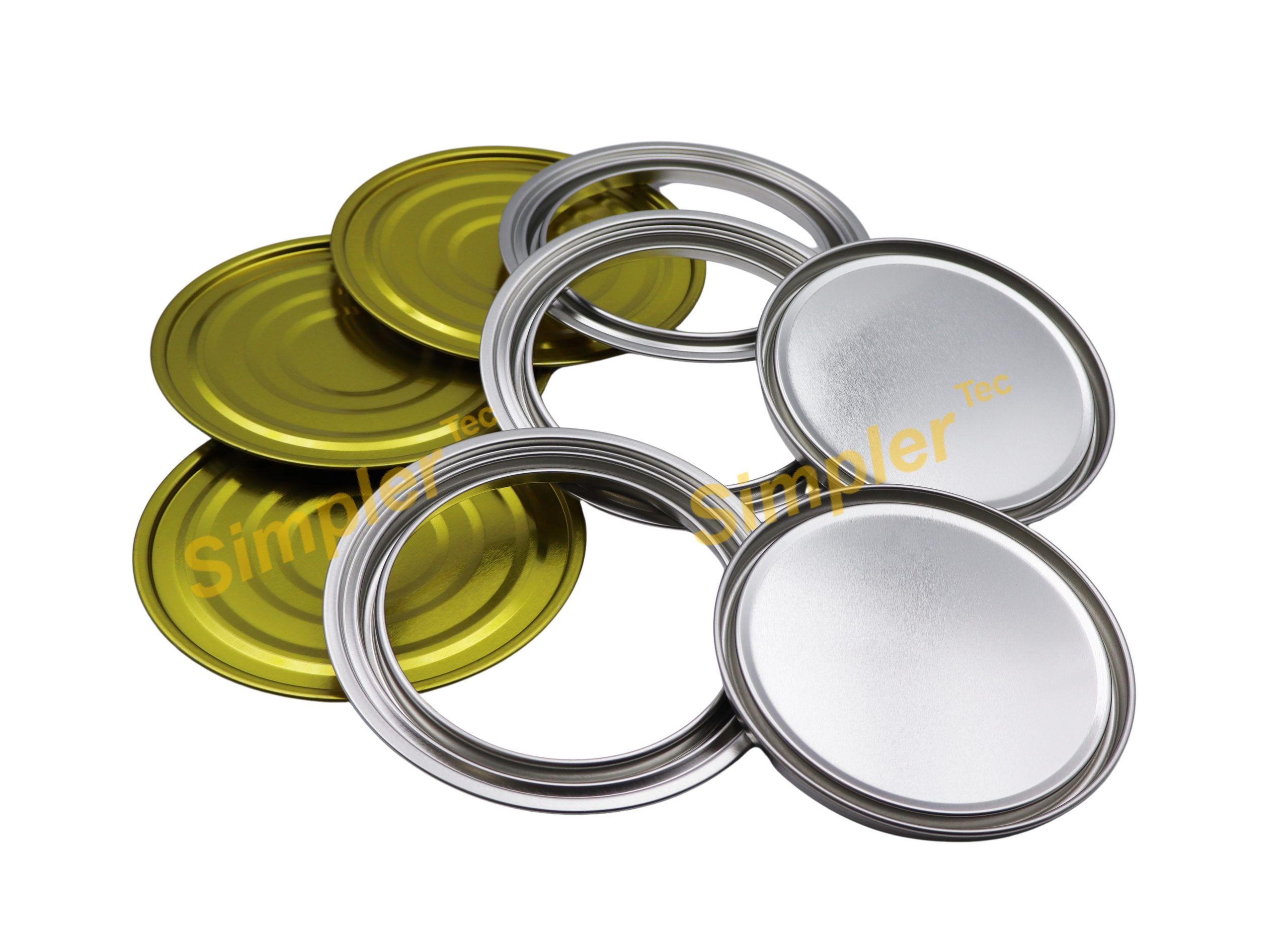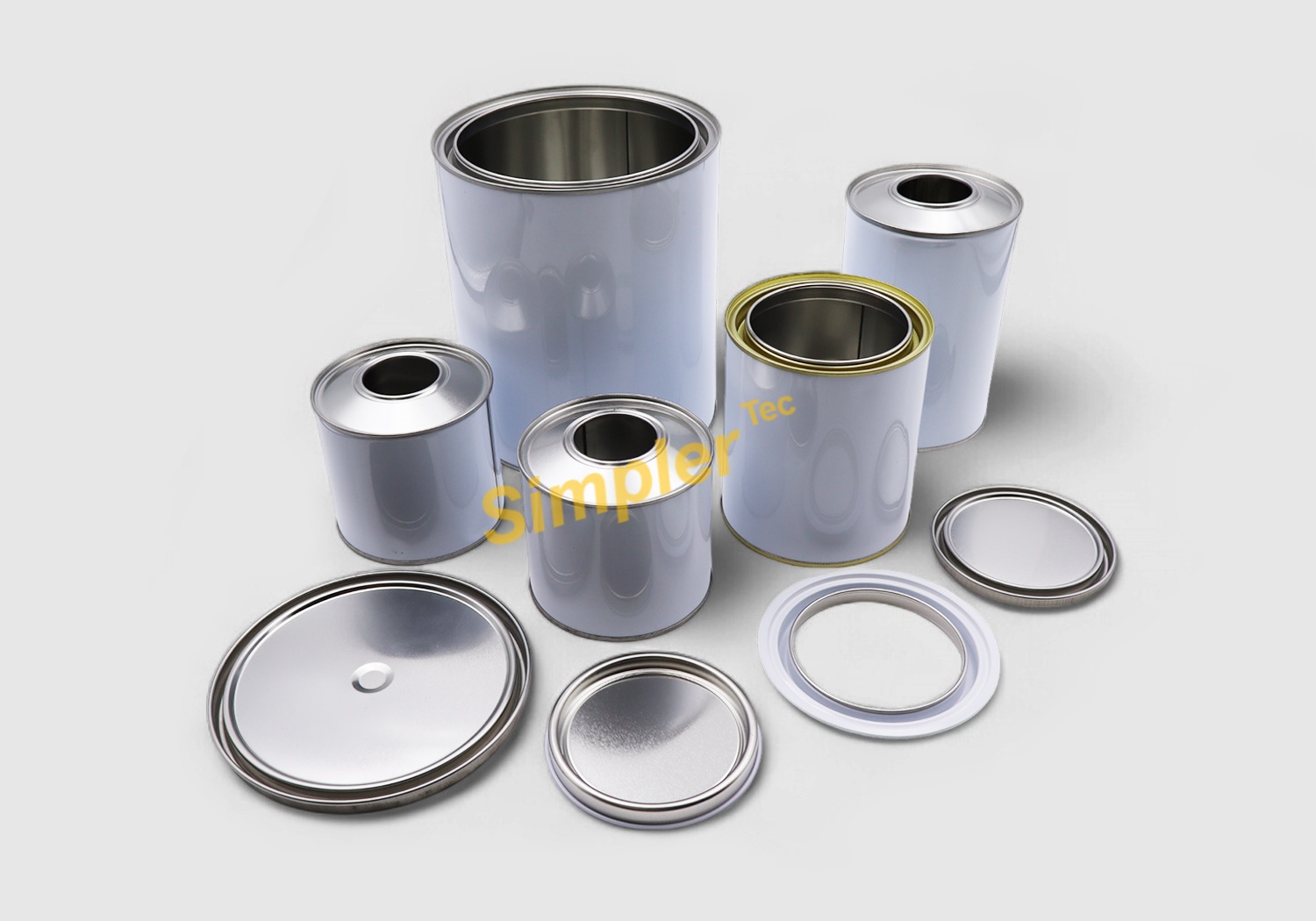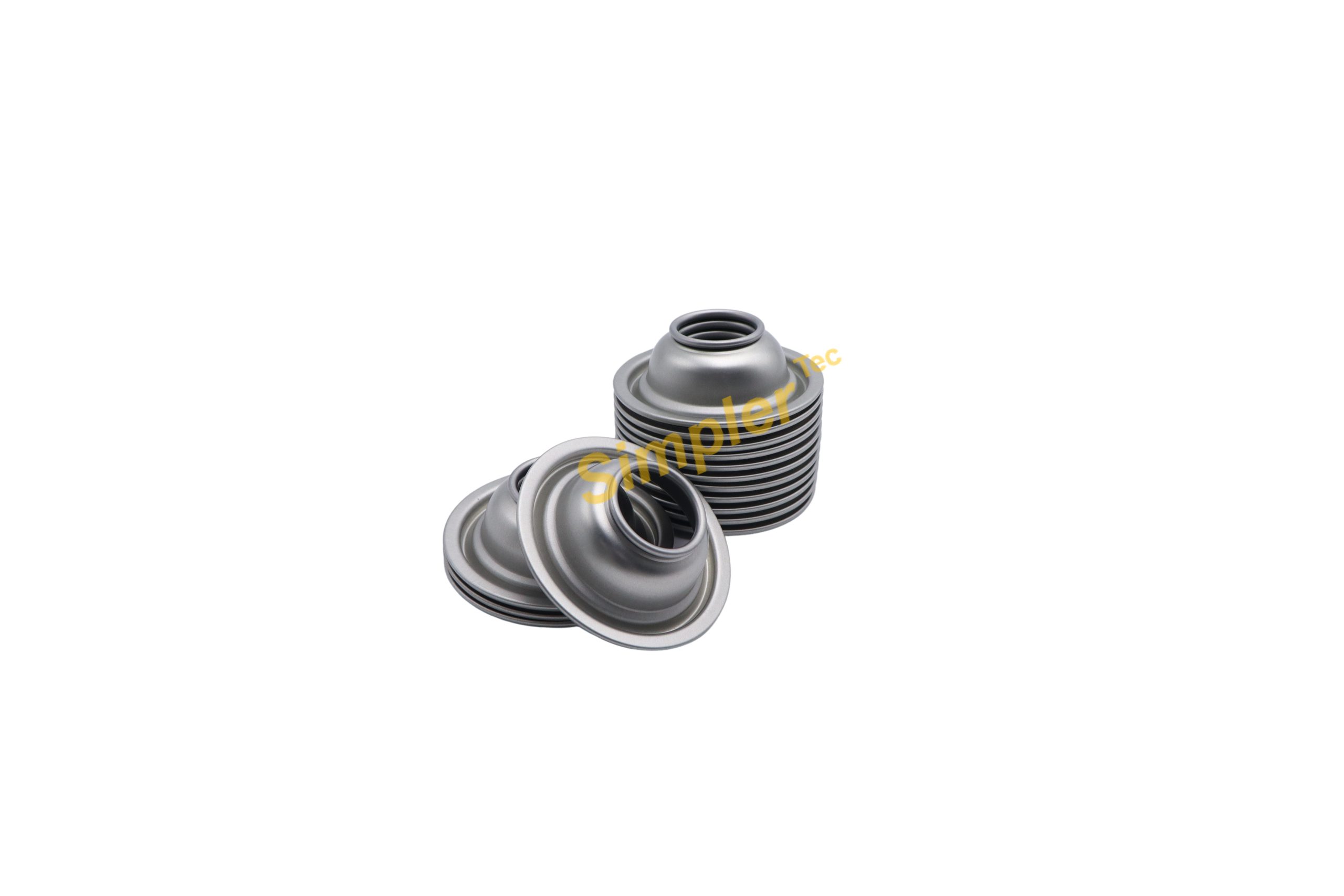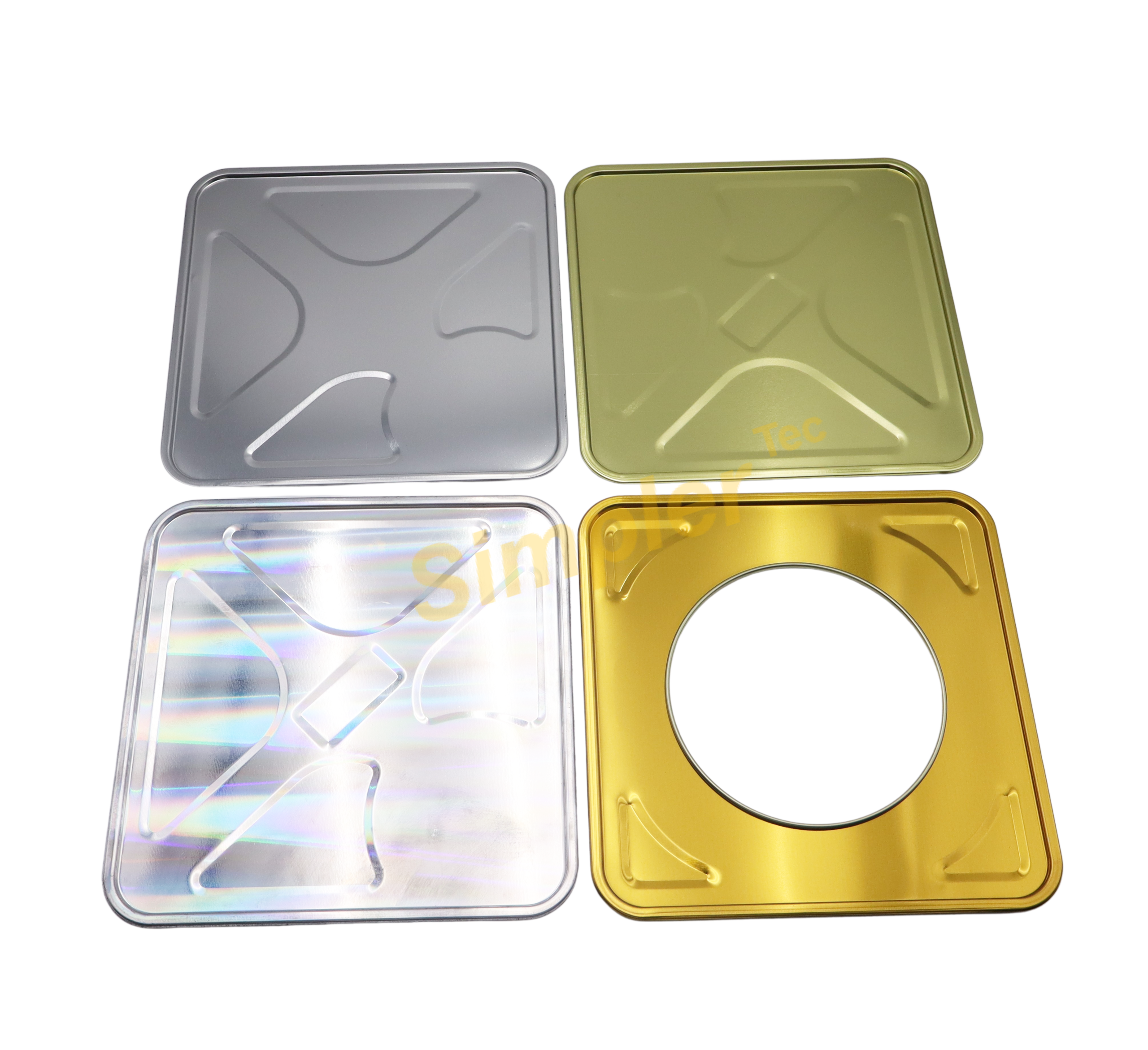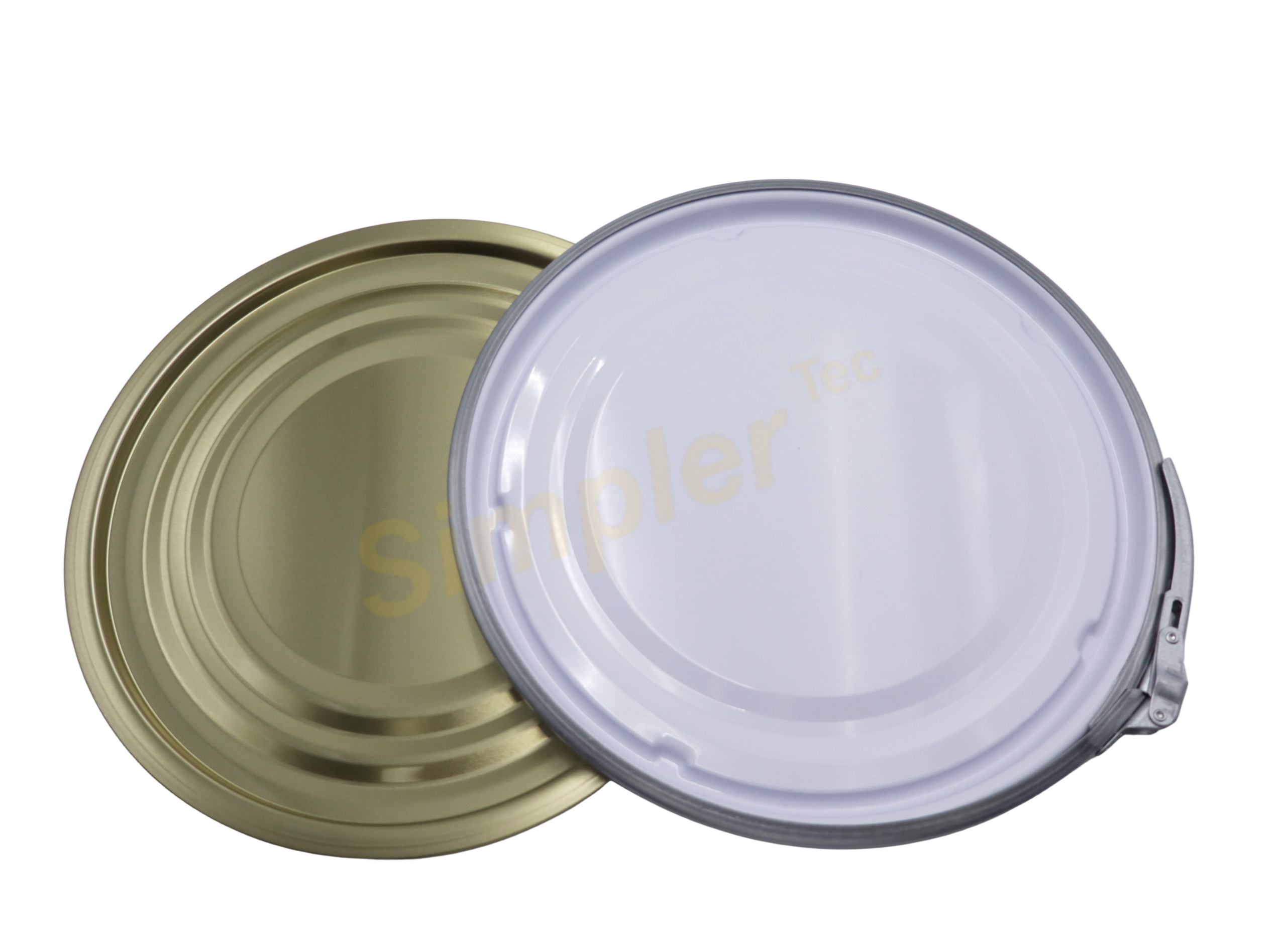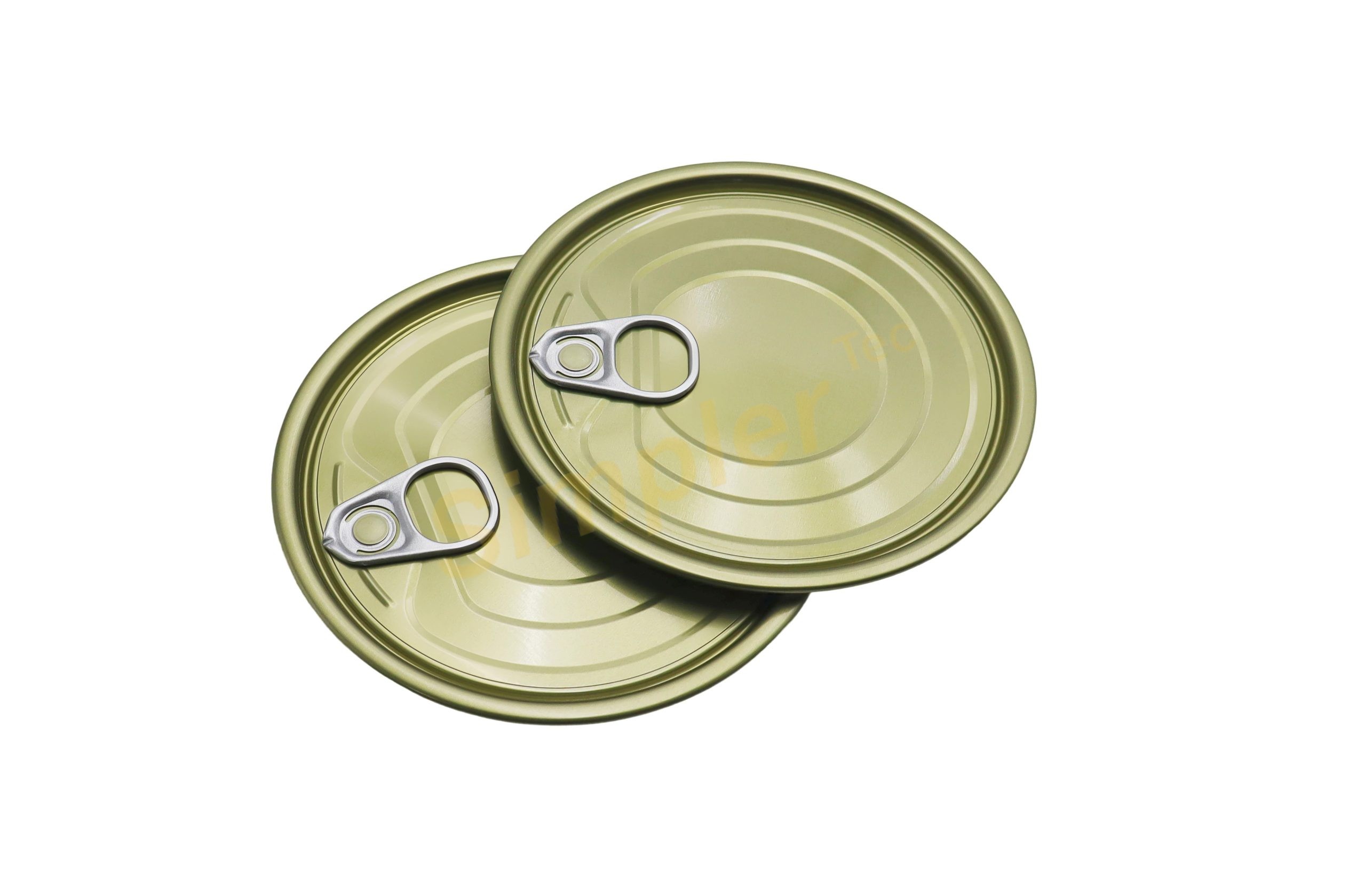
Tinplate, as the name suggests, is an iron material with a layer of tin plated on its surface. This thin layer of tin gives tinplate its unique sealing properties. First, the material composition of tinplate is fundamental to its sealing properties. Tinplate is composed of an iron base material and a tin layer on the surface, and this combination provides a solid foundation for sealing. The iron substrate has good strength and ductility, while the tin layer on the surface acts as a rust inhibitor and air barrier. The combination of the tin layer and the iron substrate creates a dense protective film, which effectively blocks the intrusion of outside air and moisture, thus ensuring the freshness and taste of the food.
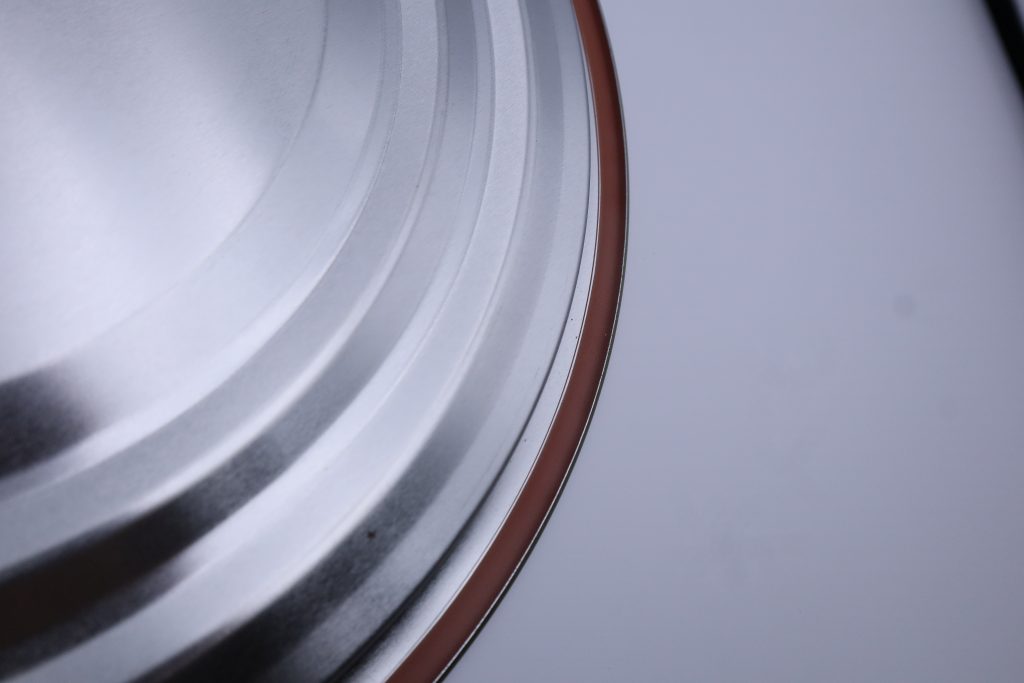
Secondly, the processing performance of tinplate is also an important guarantee of its sealing. Tinplate is easy to mold and weld, and can be made into various shapes of containers, such as cans, beverage cans and so on. During processing, the tin layer can closely cover the surface of the iron to ensure that there is no dead space, which greatly improves the sealing effect.
In addition, the ductility and elasticity of tinplate are also advantages of its sealing performance.In order to continuously improve the quality of products and production efficiency, and to provide customers with high quality and low price products, the ductility and elasticity of tinplate are also advantages of its sealing performance. During the production process, tinplate can be stretched and bent to form a tight tank structure. The introduction of advanced equipment at home and abroad in the production process of tinplate makes the tinplate form a tight can body structure in the process of stretching and bending. This structure makes the contact between the can body and the lid more tight, thus realizing a good sealing effect.

It is worth mentioning that with the continuous improvement and perfection of tinplate printing technology and processing technology, tinplate packaging is more and more widely used. The double-layer crimping technology used in the sealing of tinplate cans is also the key to guaranteeing the sealing. This technology makes the rolled edge structure between the can body and the lid more solid, effectively preventing the leakage of contents and the entry of external pollutants.
Finally, the mechanical strength of the tinplate also provides a guarantee of sealability.During transportation and storage, tinplate cans are able to withstand a certain amount of external impact, protect the safety of the food contained within and maintain the seal.
In summary, the sealing performance of tinplate is the result of its material properties, processing technology and structural design. The strength and ductility of the iron substrate, the rust prevention and adhesion of the tin layer, good molding, corrosion resistance and advanced processing technology, these factors together to ensure the superior performance of tinplate in the field of food packaging. It is these properties that make tinplate cans ideal for the long-term preservation of food and bring great convenience to our lives. Today, when food safety is increasingly emphasized, the good sealing performance of tinplate undoubtedly provides reliable support for the food industry and safeguards the health and quality of life of consumers.