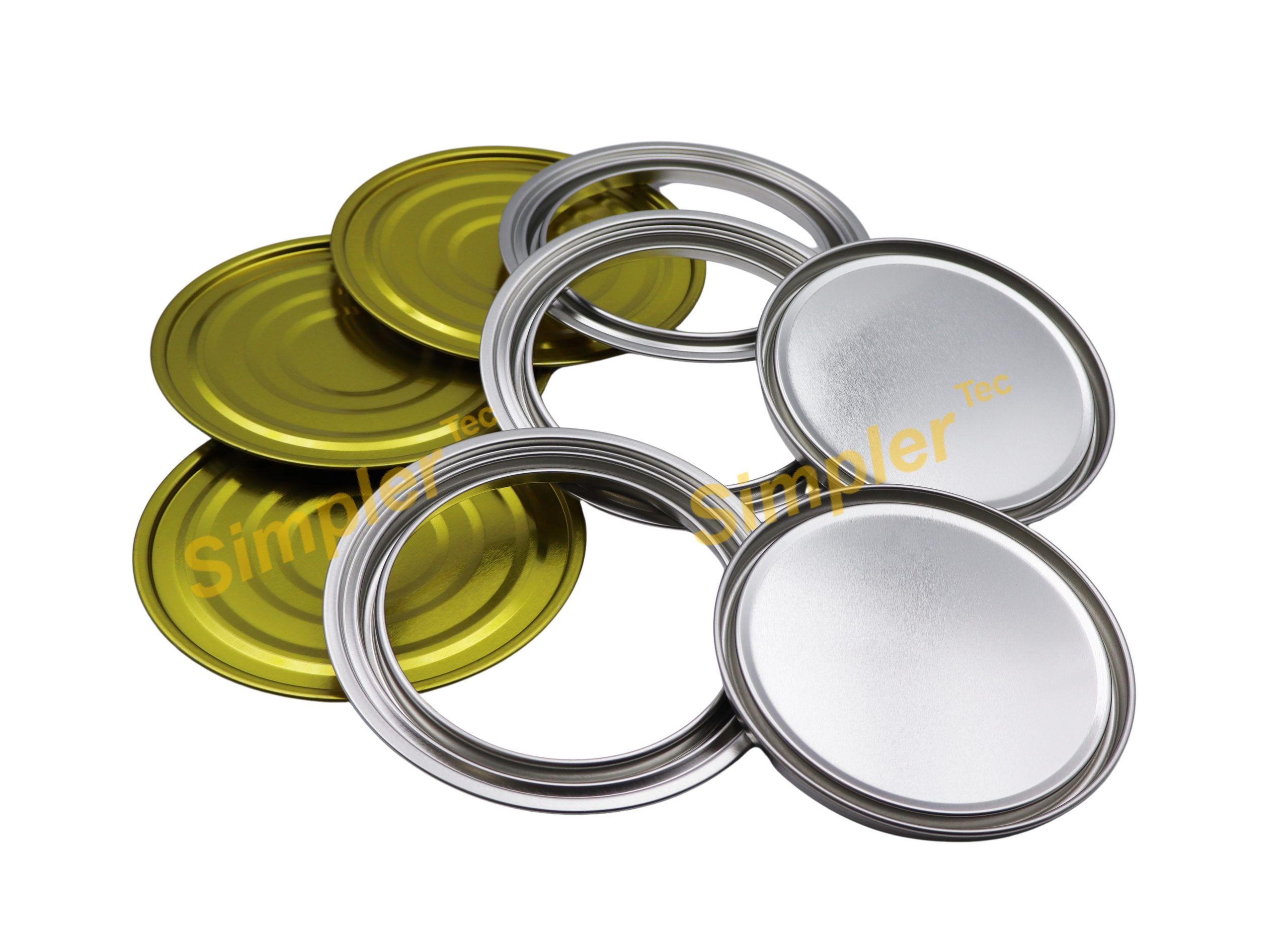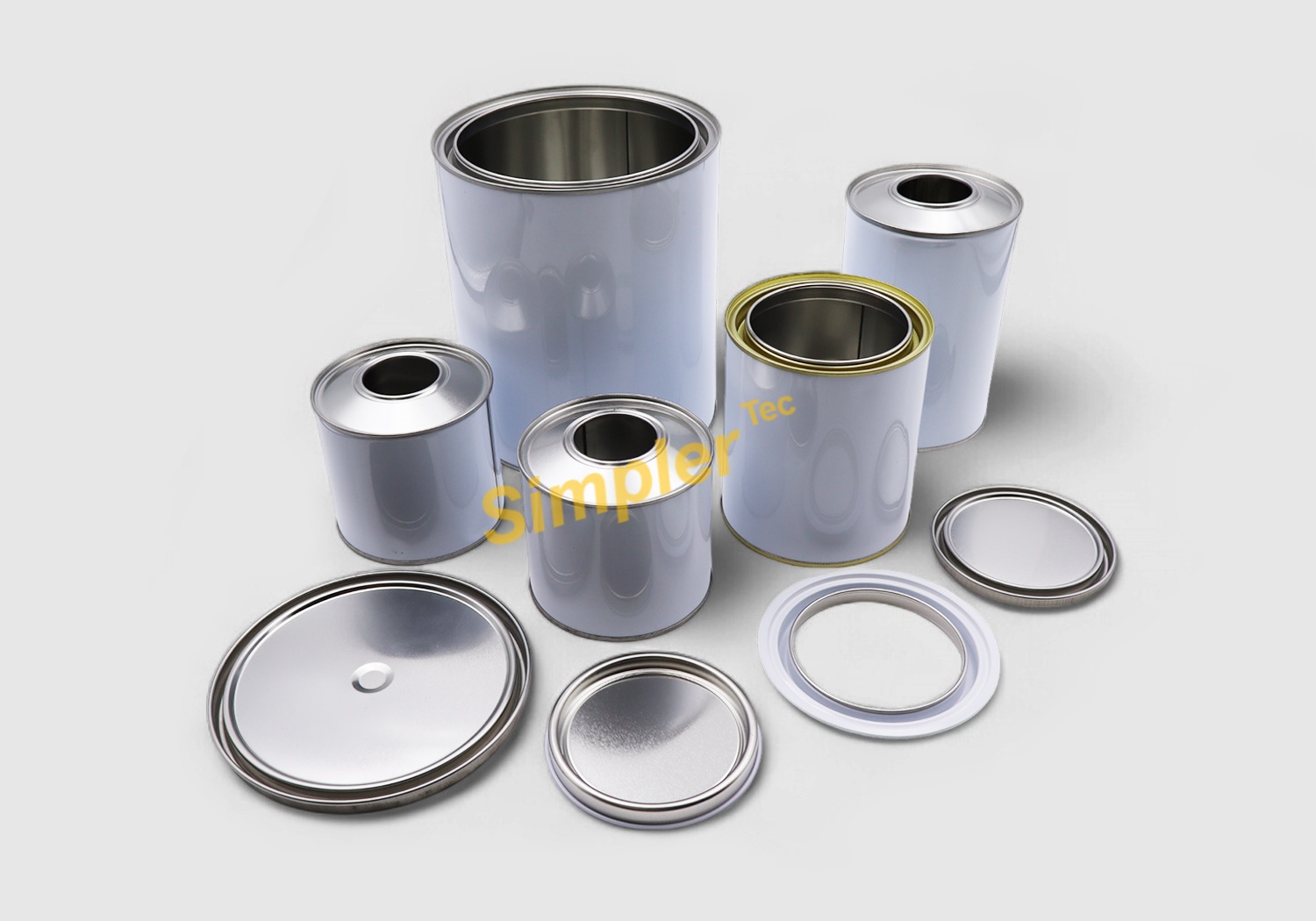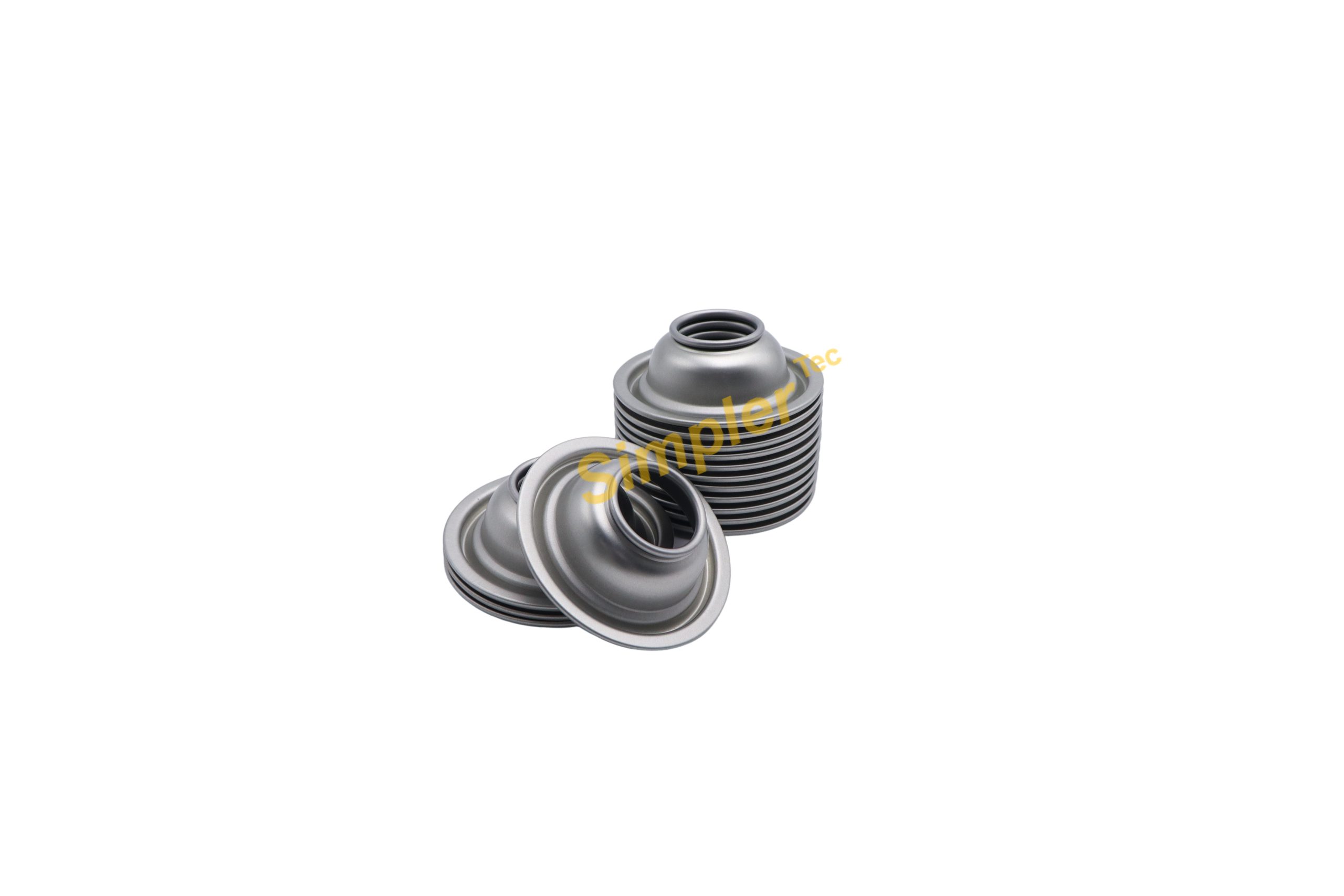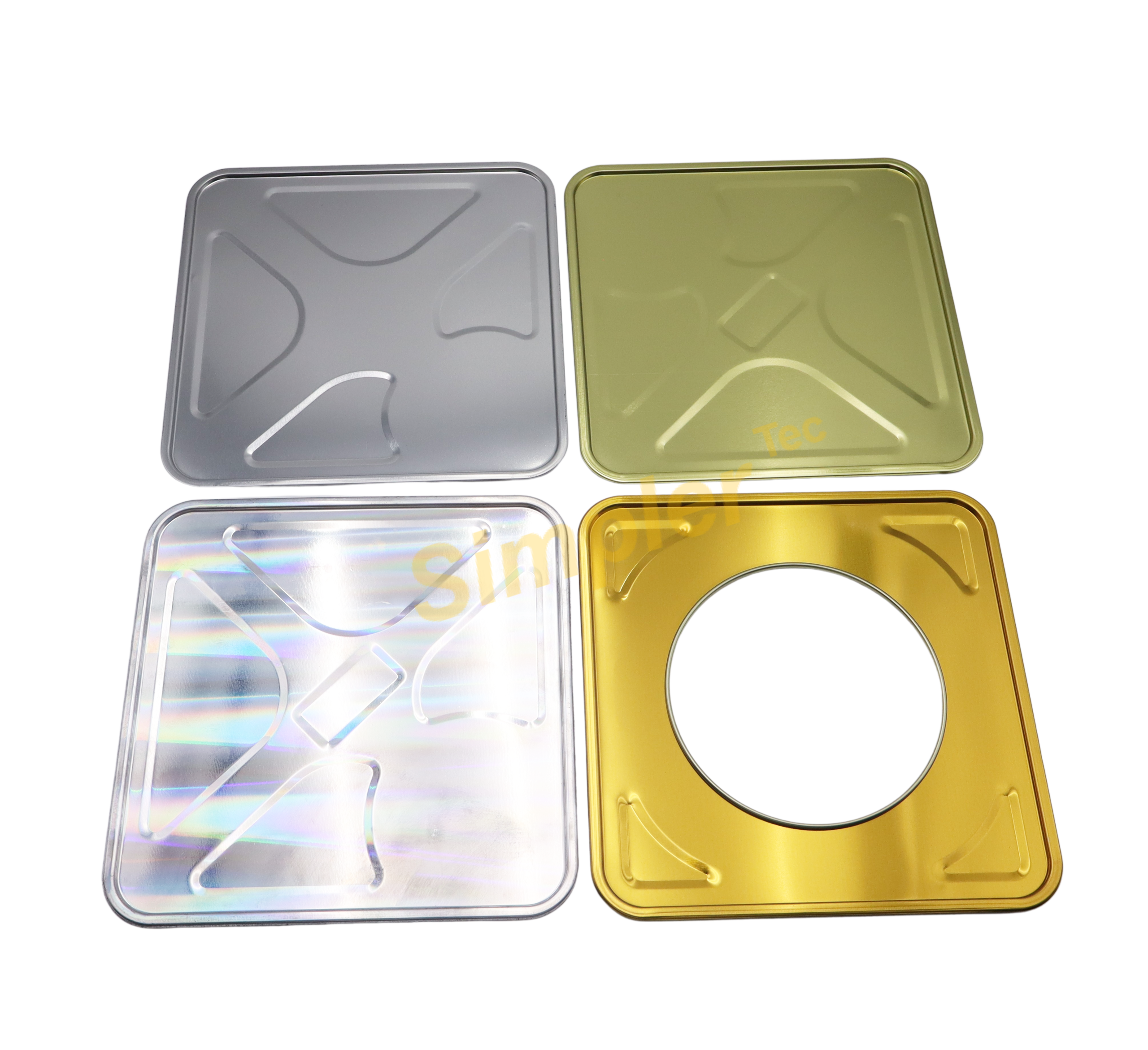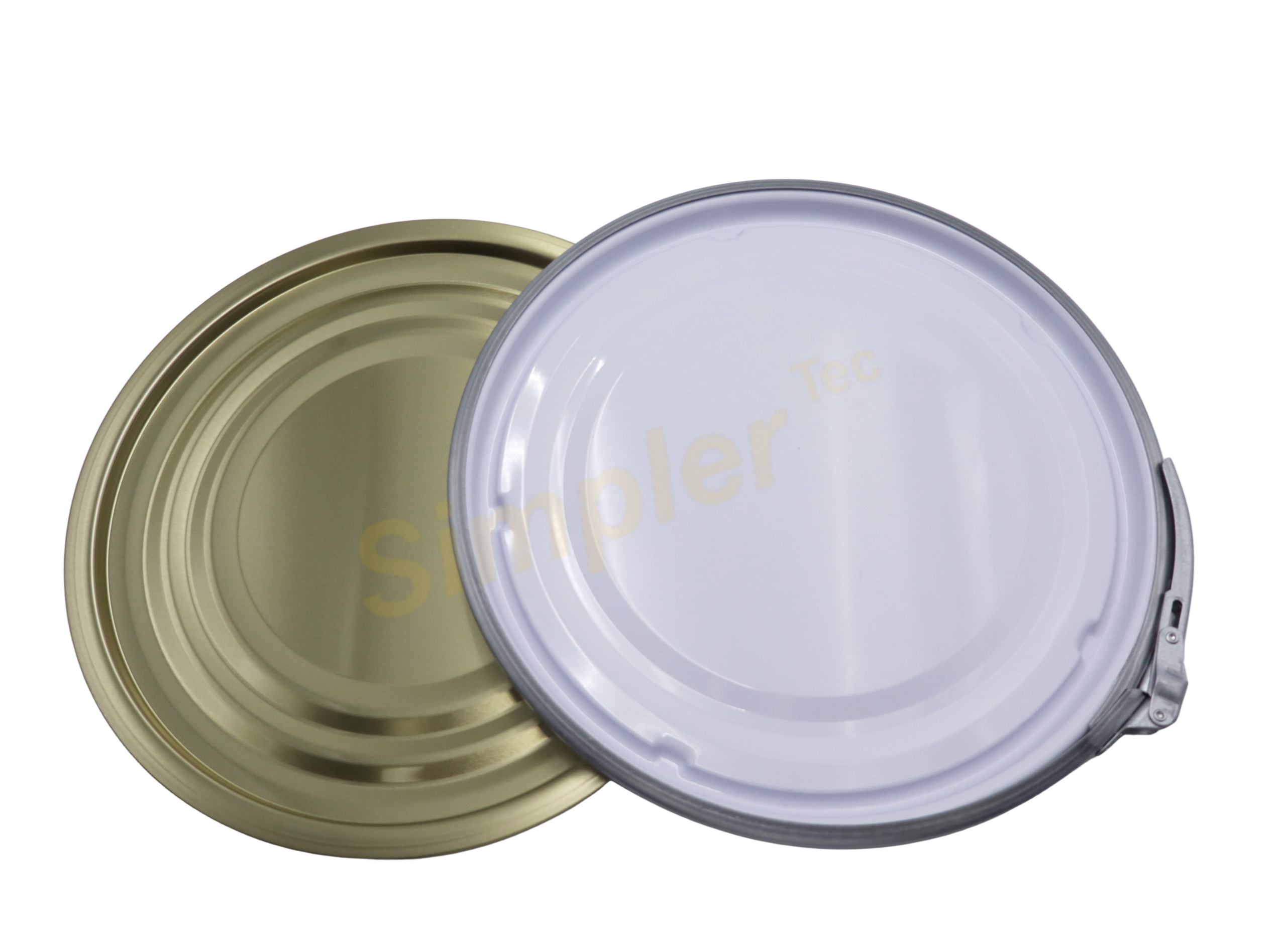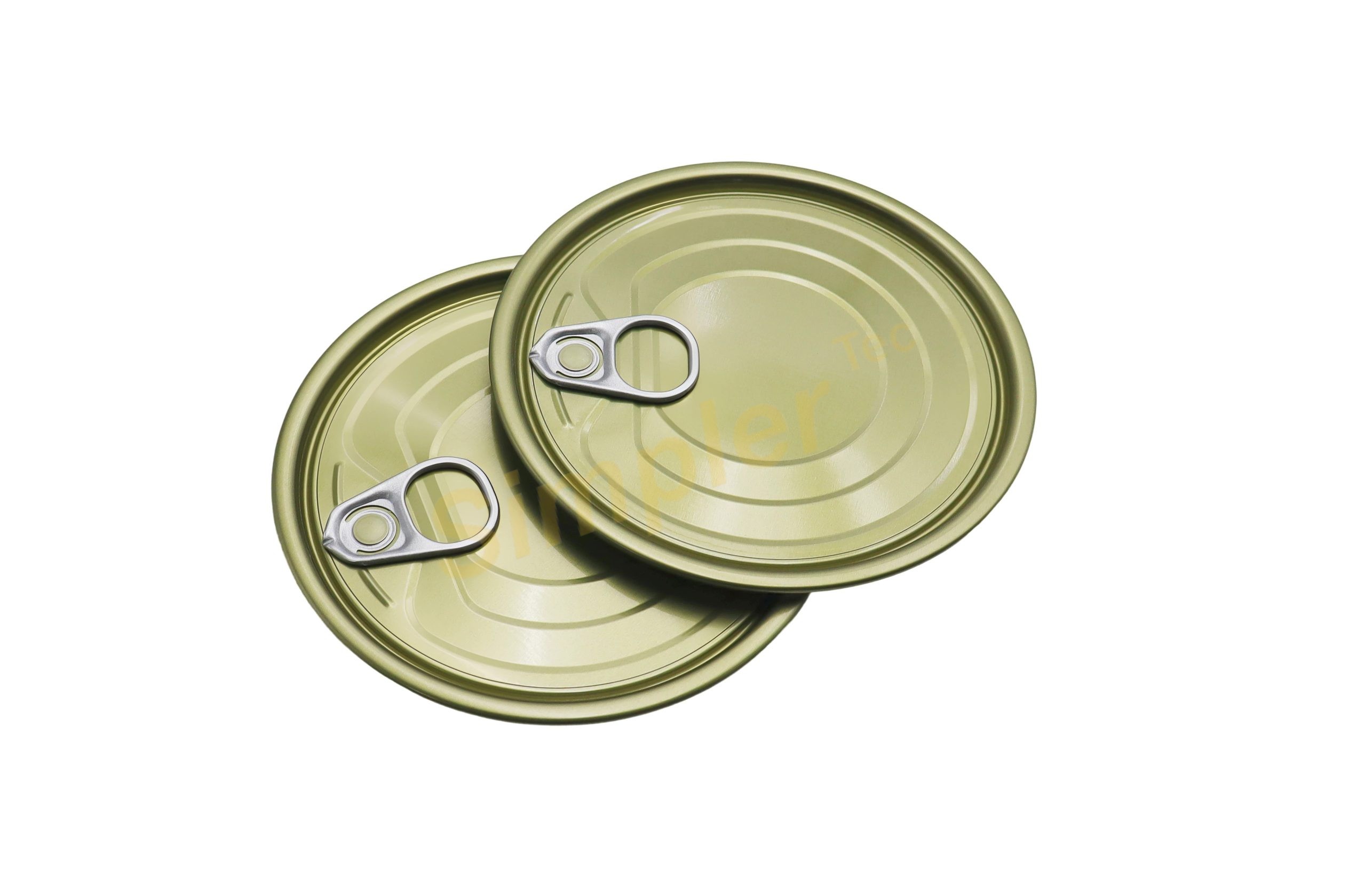
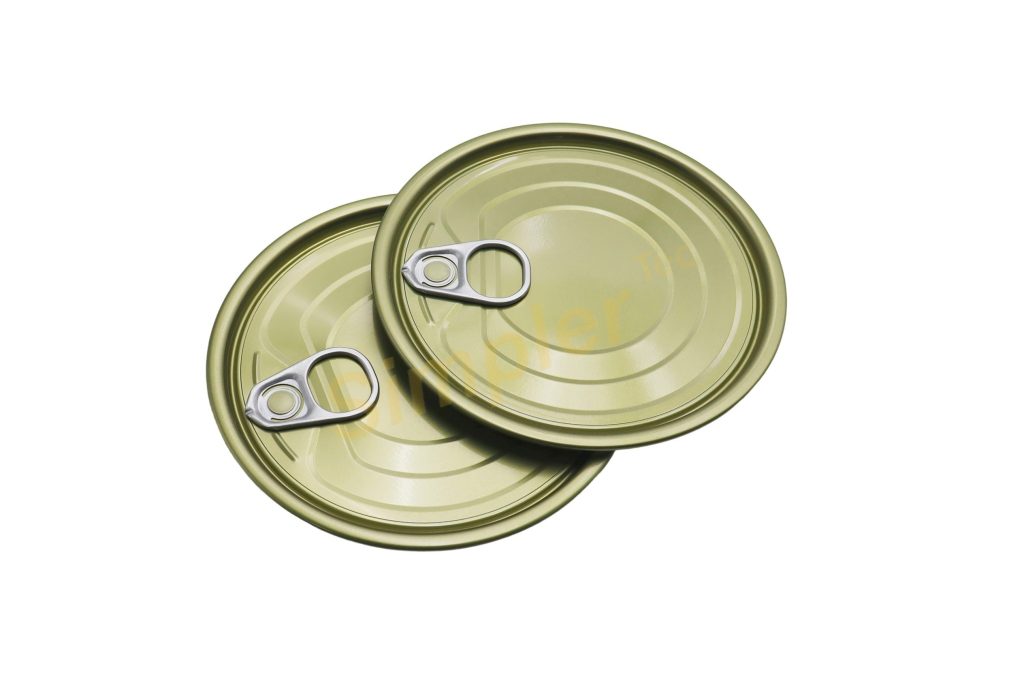
If you work with metal cans, you have probably heard terms like #401 cans and 99mm Easy Open Ends more times than you can count. But many buyers still ask the same question. Why is this size used, and why does it matter so much?
This topic may sound simple, but it affects product safety, filling efficiency, and even customer satisfaction. In this article, we will break it all down in clear and simple language. By the end, you will understand why 99mm Easy Open Ends are the standard for #401 cans and how this choice can help you avoid costly sourcing mistakes.
So let’s start at the beginning and build the picture step by step.
What Is a #401 Can and How Does It Relate to 99mm Easy Open Ends?
Before we talk about lids, we need to talk about the can itself. Many sourcing problems begin because buyers are not fully sure what a #401 can really mean.
The #401 can size comes from the North American can sizing system. This system was created long before the metric system became common in global manufacturing. Even today, many food brands still use these size names.
A #401 can has a diameter of about 4 and 1 sixteenth inches. When you convert that measurement into the metric system, it equals about 99 millimeters. That is where the connection starts to become clear.
Understanding the North American Can Size System
The first number in #401 refers to the can diameter. The last two numbers describe the height. While this system may feel outdated, it is still widely used in food, pet food, and industrial packaging.
Because global factories work in millimeters, manufacturers needed a precise metric match. Over time, 99 millimeters became the accepted diameter for this can size. This is why 99mm Easy Open Ends are designed specifically to fit #401 cans.
Why 99mm Became the Global Match
You might wonder why manufacturers did not round up to 100 millimeters. The answer is simple. Even small size differences can cause sealing problems. A lid that is too large or too small can lead to leaks, weak seams, or machine stoppages.
By using 99 millimeters, suppliers around the world can match the original can size exactly. This keeps production lines running smoothly and products safe.
Now that the size connection is clear, the next question naturally follows. Why is this size used as a standard across so many industries?
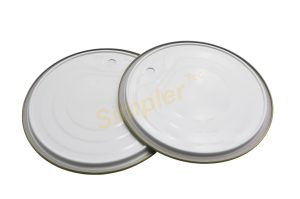
Why 99mm Easy Open Ends Are the Industry Standard for #401 Cans
Standards exist for a reason. In can packaging, standards help different parts work together without trouble. This is one of the biggest reasons 99mm Easy Open Ends are so widely used.
When cans, lids, and machines all follow the same size rules, buyers gain flexibility and confidence. They can source components from different suppliers without redesigning their entire production line.
Compatibility With Filling and Seaming Equipment
One major reason this size is so important is equipment compatibility. Seaming machines are built for very specific dimensions. If the lid does not match the can body perfectly, the seam will fail.
Using 99mm Easy Open Ends ensures that lids fit correctly on #401 cans. This reduces the risk of leaks, spoilage, and rejected batches. It also helps factories maintain high production speeds without frequent adjustments.
Consumer Convenience and Full Aperture Design
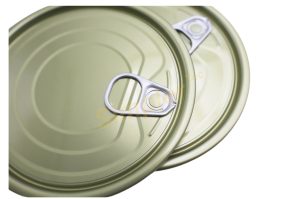
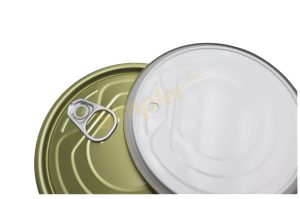
Another key reason for the popularity of this size is consumer experience. Many 99mm Easy Open Ends are full-aperture lids. This means the entire lid is removed when opened.
For solid foods and pet food, a wide opening makes scooping and serving much easier. Consumers notice this, even if they do not think about the lid size directly. A smooth opening experience reflects positively on the brand.
With standards and convenience covered, let’s look at where these cans and lids are actually used in real products.
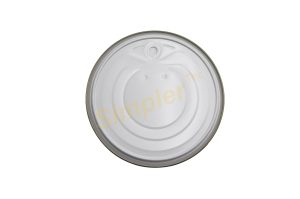
Which Products Commonly Use #401 Cans With 99mm Easy Open Ends?
If you are unsure whether this size is right for your product, it helps to look at common applications. #401 cans paired with 99mm Easy Open Ends are used in many industries.
This wide use is not accidental. It comes from the balance of strength, opening size, and storage efficiency.
Food Products That Benefit From a Wide Opening
Many food products rely on this can size. Examples include canned meat, fish, vegetables, beans, and prepared meals. These foods often contain solid or semi-solid contents.
A wide opening allows consumers to remove the food easily without damaging it. This improves the eating experience and reduces waste.
Pet Food and Non-Food Applications
Pet food is another major user of this can size. Wet dog and cat food often comes in #401 cans with 99mm Easy Open Ends. Pet owners value easy opening and full access, especially for thicker products.
Some non-food products also use this size. Paints, coatings, and certain industrial materials benefit from the wide opening and strong seal.
At this point, it may seem like choosing this size is simple. But sourcing the right lid still requires careful attention. Let’s look at what buyers should focus on next.
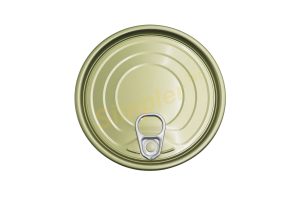
What to Look for When Sourcing 99mm Easy Open Ends
Not all lids are made the same, even when they share the same diameter. Buyers who understand key specifications are better prepared to avoid problems later.
Choosing the right supplier and product can protect your brand and your production schedule.
Material Choices and Why They Matter
Most 99mm Easy Open Ends are made from tinplate or tin-free steel. Tinplate offers strong corrosion resistance and is widely accepted for food packaging.
Tin-free steel is often chosen for its cost efficiency and stable performance when coated correctly. The right material depends on your product, filling process, and storage conditions.
Thickness, Sealing, and Safety Considerations
Thickness also matters. A common thickness is around 0.21 millimeters. This balance provides strength while still allowing easy opening.
Buyers should also confirm food-grade coatings and compliance with local regulations. These details protect both the product and the end consumer.
Understanding specifications helps buyers make better decisions. But knowing what to avoid is just as important. That leads us to the most common mistakes.
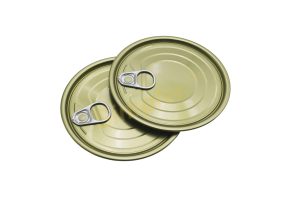
Common Sourcing Mistakes Buyers Make With 99mm Easy Open Ends
Even experienced buyers can run into trouble if they rush the sourcing process. Many issues come from small details being overlooked.
By learning from these mistakes, you can save time, money, and frustration.
Choosing Based on Price Alone
Low prices can be tempting, but they often hide risks. Poor-quality lids can cause sealing failures, corrosion, or customer complaints.
A slightly higher cost is often worth it for consistent quality and reliable performance.
Ignoring Tolerances and Quality Control
Even when the diameter is listed as 99 millimeters, actual tolerances matter; inconsistent production can lead to seam defects.
Reliable suppliers invest in quality control to keep every batch consistent.
Not Confirming Supplier Experience
Experience matters, especially for export markets. Suppliers familiar with international standards are more likely to deliver stable quality and proper documentation.
Working with an experienced manufacturer reduces surprises and builds long-term trust.
With these points in mind, let’s bring everything together and look at the bigger picture.
Conclusion
Choosing the right lid is not just a technical decision. It affects safety, efficiency, and customer satisfaction. That is why 99mm Easy Open Ends have become the trusted standard for #401 cans across many industries.
By understanding sizing systems, standards, materials, and common mistakes, buyers can make confident decisions. Instead of guessing, you can source with clarity and purpose.
If you are planning a project or reviewing your current packaging, we are always happy to talk through your needs. Reach out to us to discuss your product, your market, and how we can support you with reliable can ends and practical expertise. A simple conversation can make all the difference in getting it right from the start.
FAQs
What are 99mm Easy Open Ends?
99mm Easy Open Ends are metal can lids with a pull tab that allow users to open a can easily without tools. They are designed to fit #401 cans.
Why are 99mm Easy Open Ends used for #401 cans?
Because a #401 can has a diameter that converts to about 99 millimeters, this size ensures a proper fit and secure sealing.
Can I use a different lid size for a #401 can?
No. Using a different size can cause sealing problems, leaks, or production line issues.
What products commonly use this lid size?
They are widely used for canned meat, fish, vegetables, pet food, and some industrial products.
What materials are used to make these lids?
They are usually made from tinplate or tin-free steel, both suitable for food packaging.
Are the 99mm Easy Open Ends food safe?
Yes, when produced with proper food-grade coatings and quality control.
Why is thickness important?
Proper thickness helps balance easy opening with strong sealing and durability.
What should buyers check before sourcing?
Buyers should confirm size accuracy, material quality, compliance standards, and supplier experience.