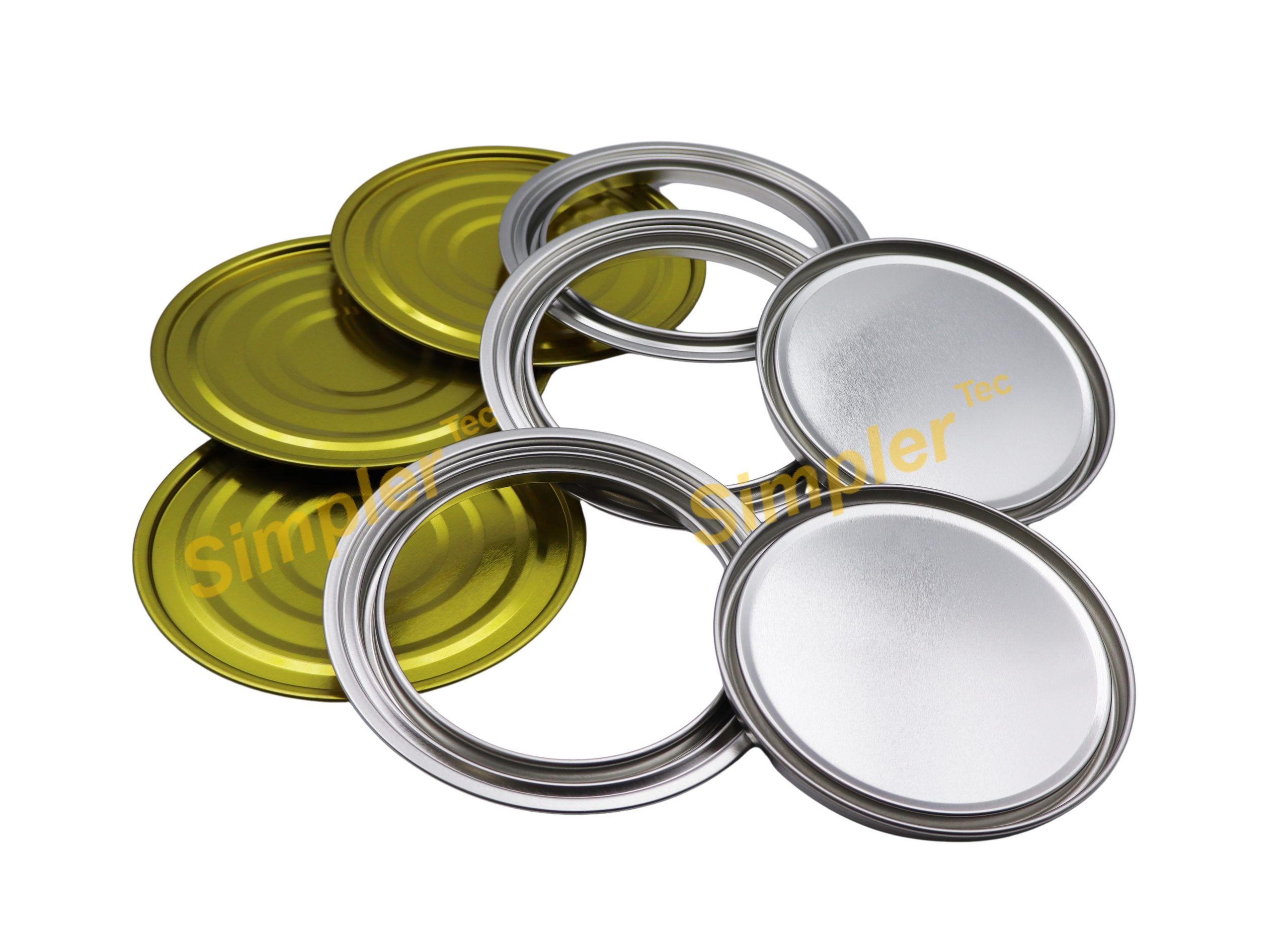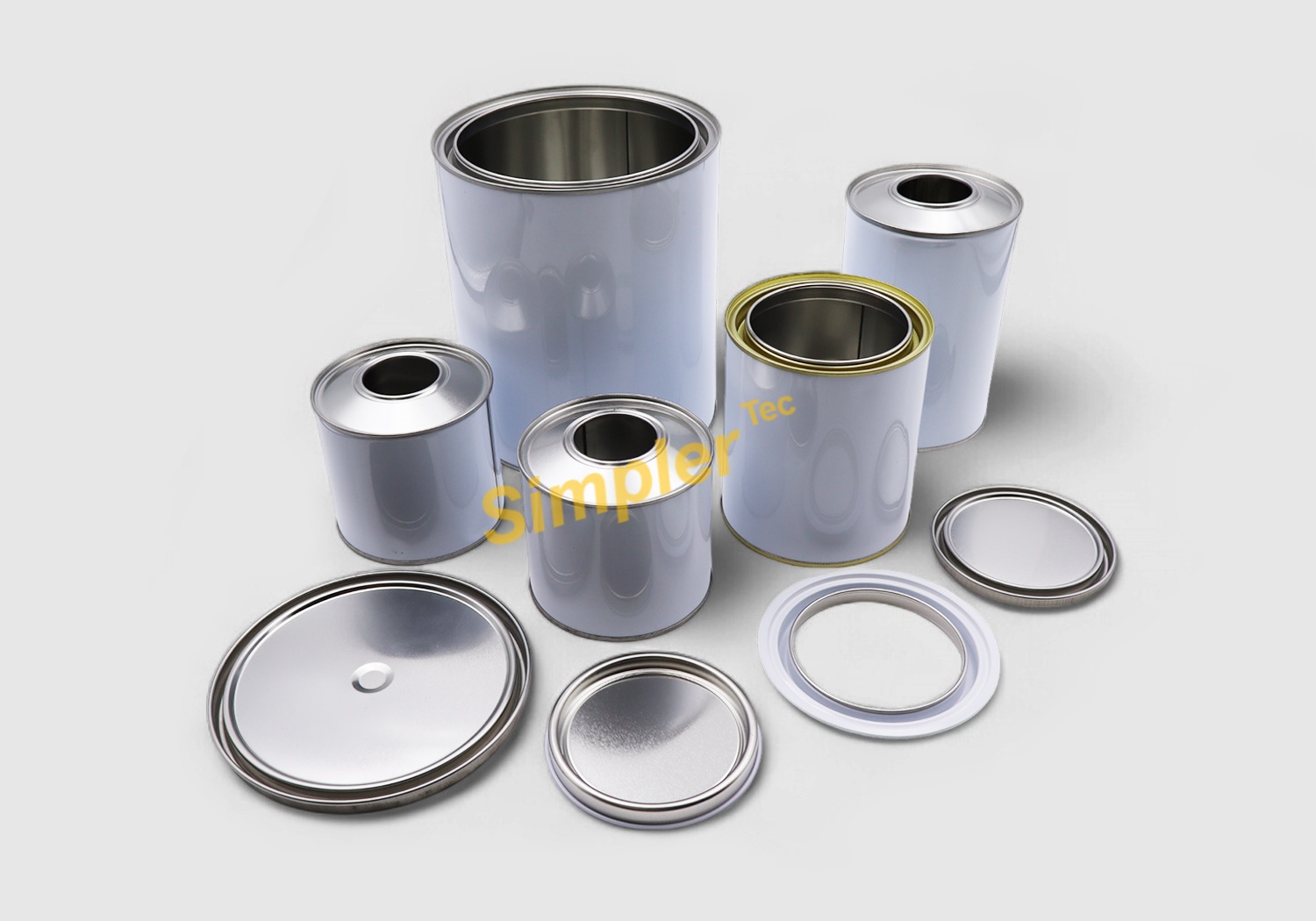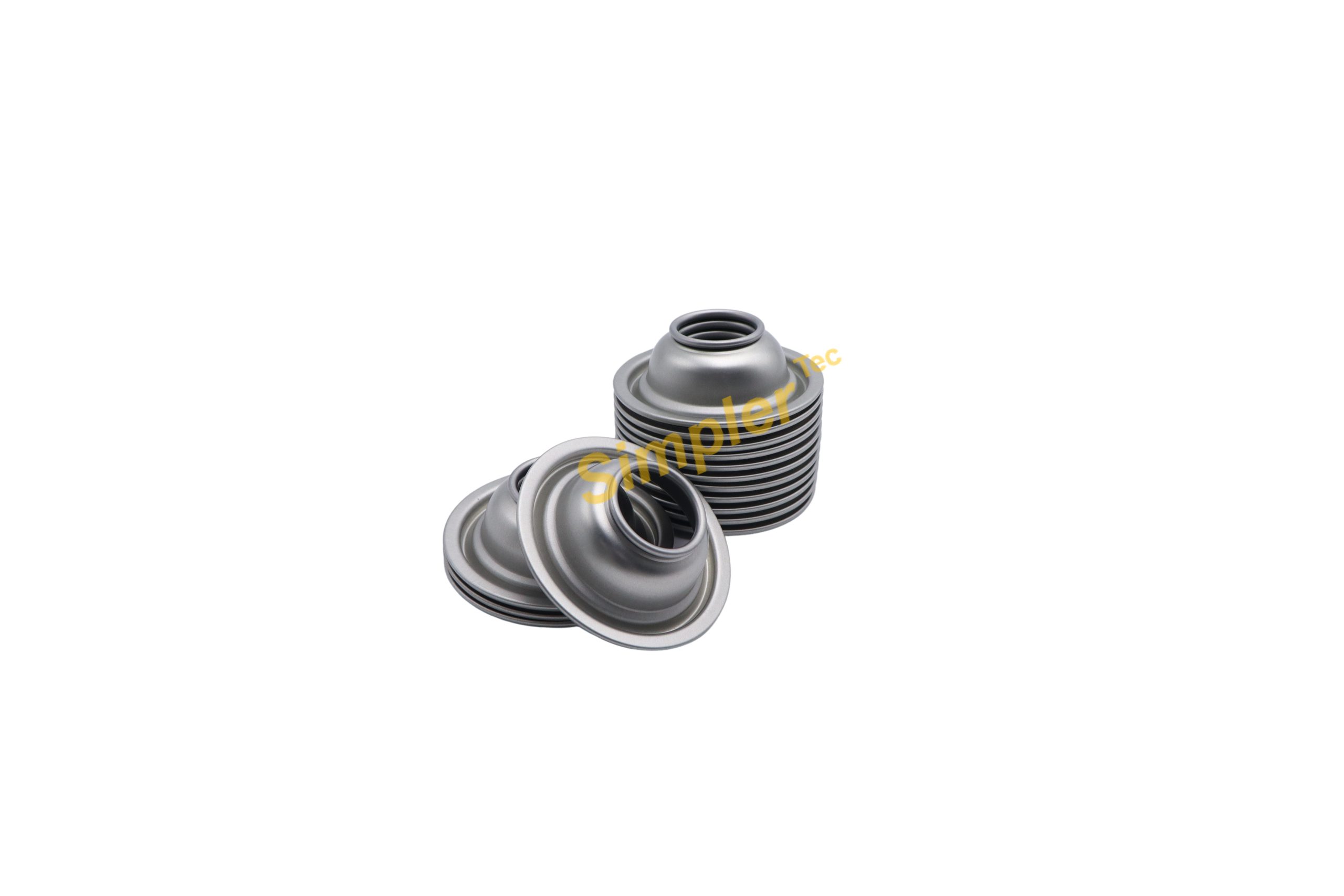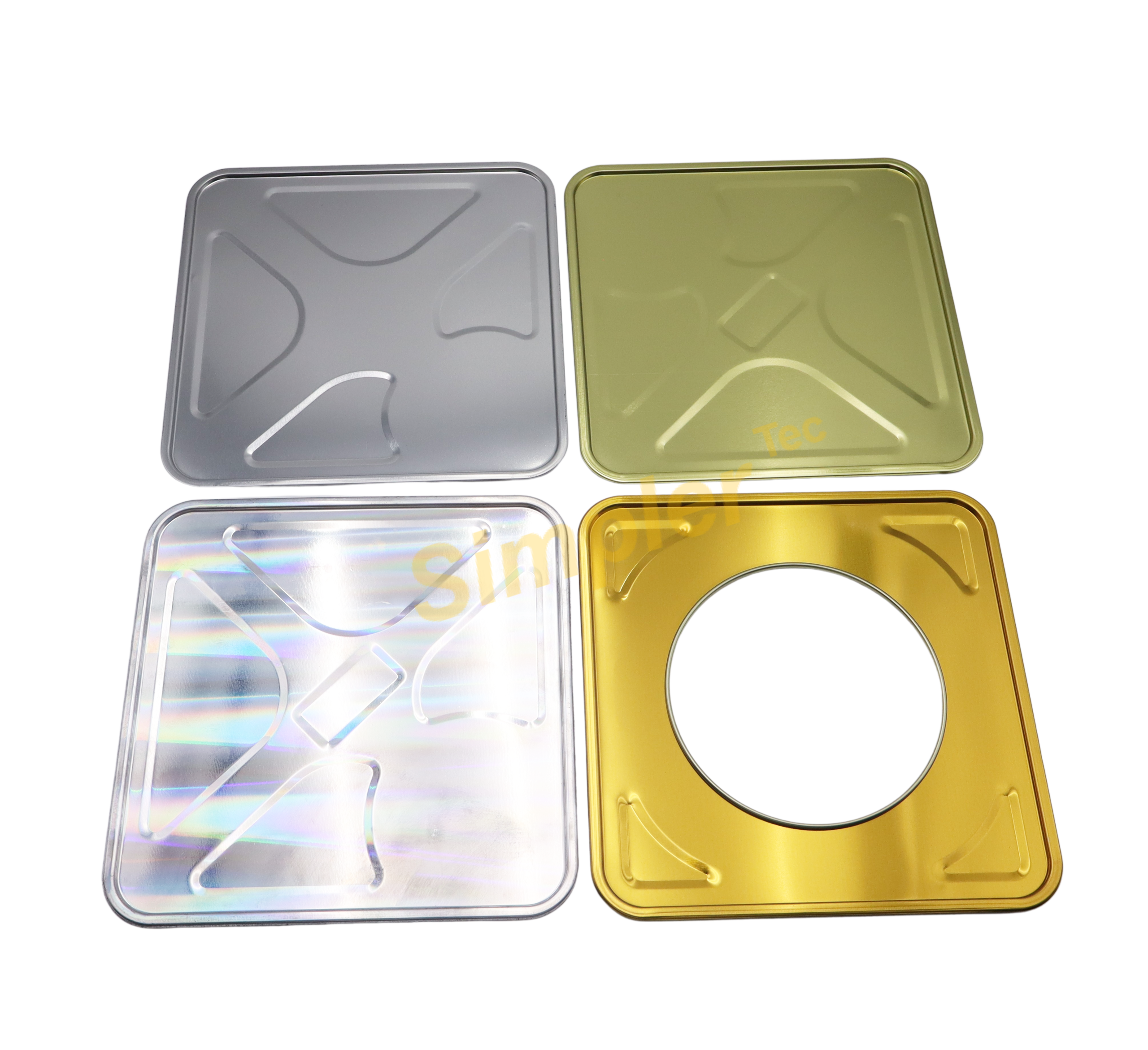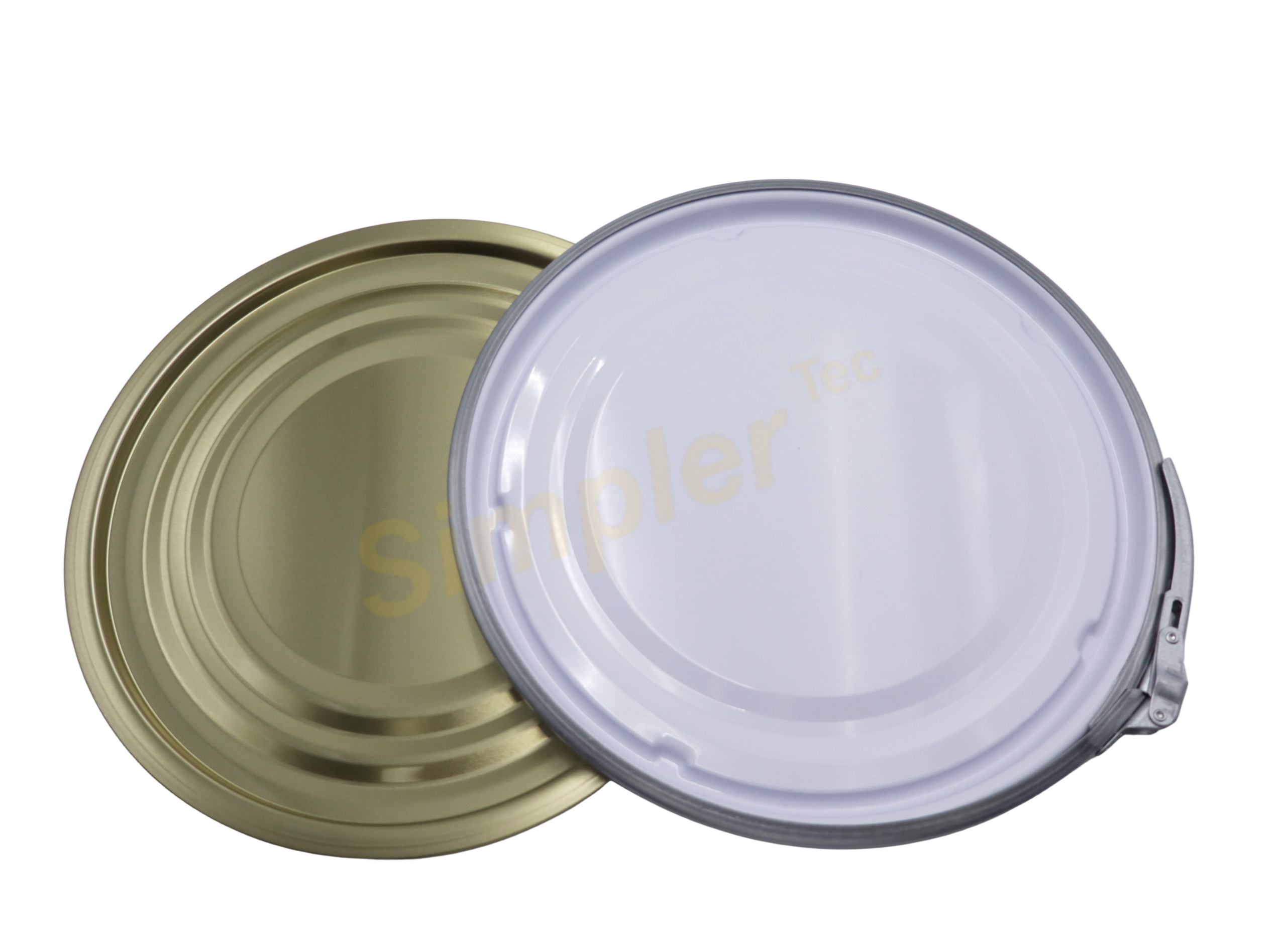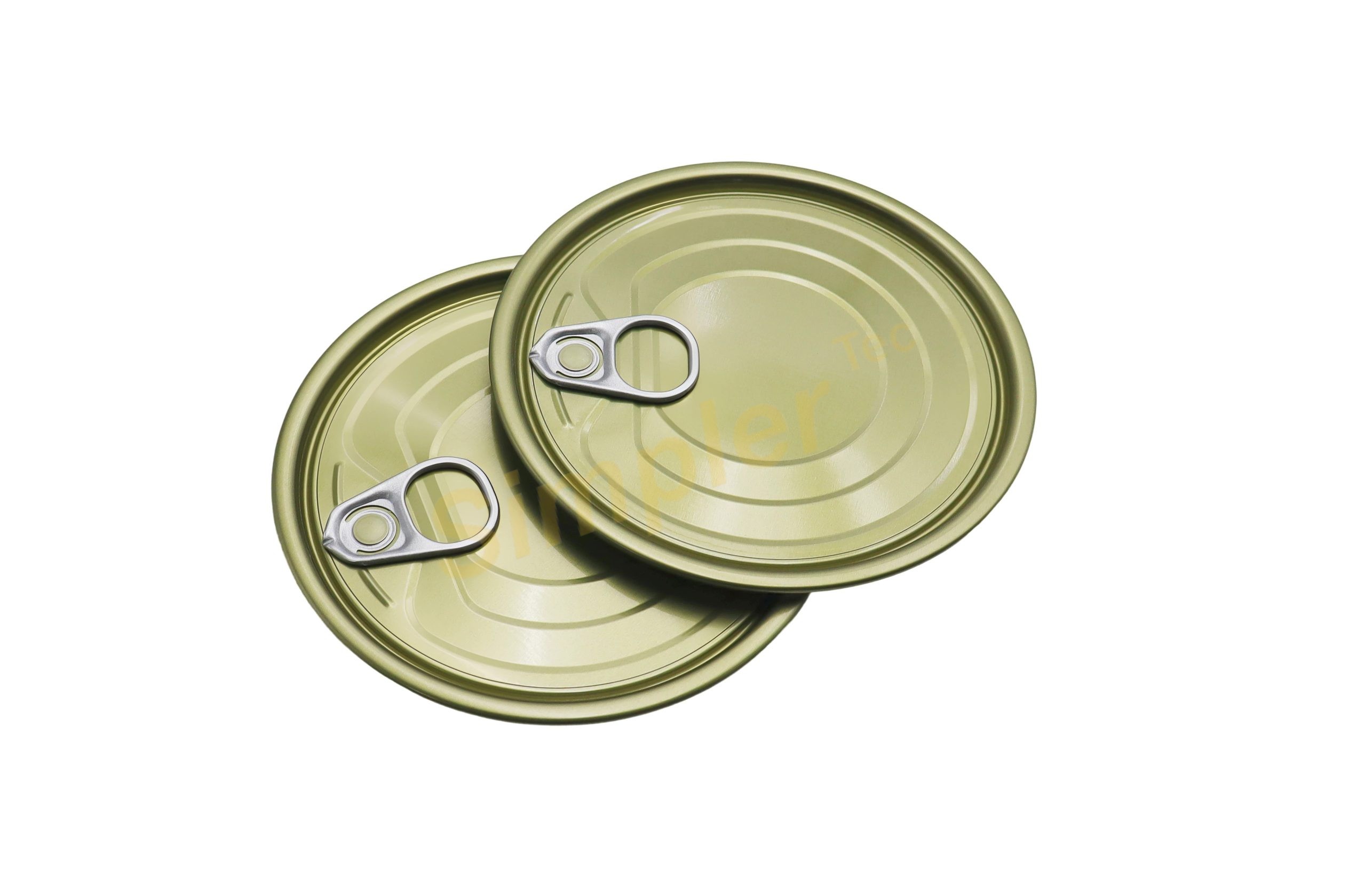
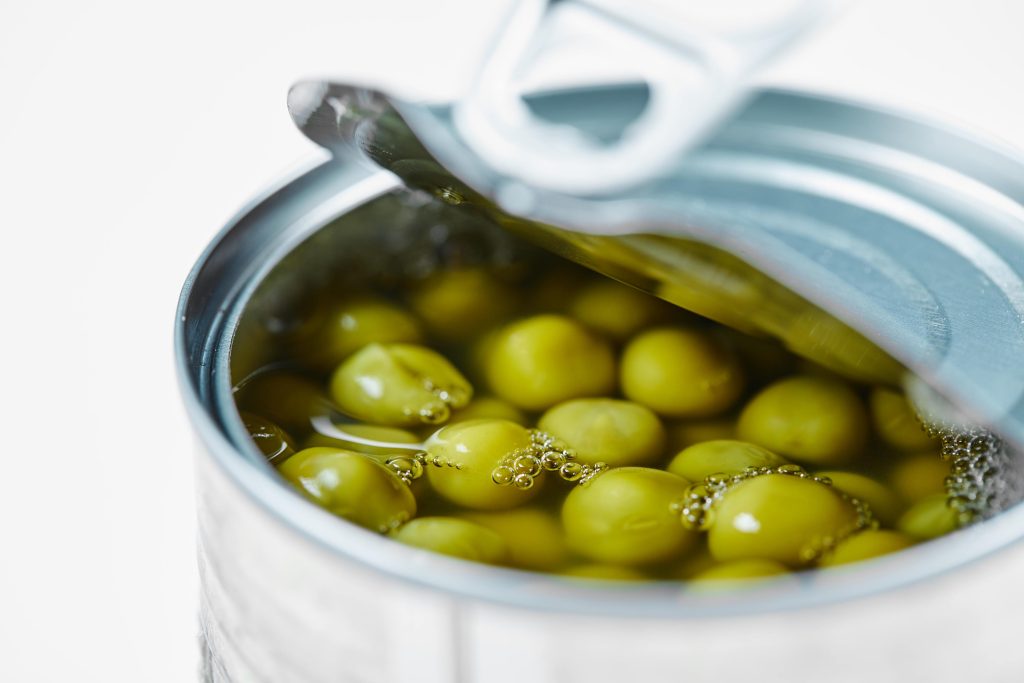
Since the world has an increasing demand for premium olive oil, manufacturers have been shipping their products overseas. Exporting olive oil is not simply a matter of producing a great product; it also involves putting your packaging into shape, particularly the olive oil tin can lids. These little pieces of equipment are very crucial in ensuring product quality, compliance with regulations, and hassle-free customs clearance.
Are your tin lids ready for export, though? In this article, we’ll discuss what constitutes a compliant tin can lid, the danger of getting it wrong, and how the correct lids can help your exporting ambitions. If you’re not certain whether your packaging is up to the standards of the world today, continue reading — the answers could be a surprise.
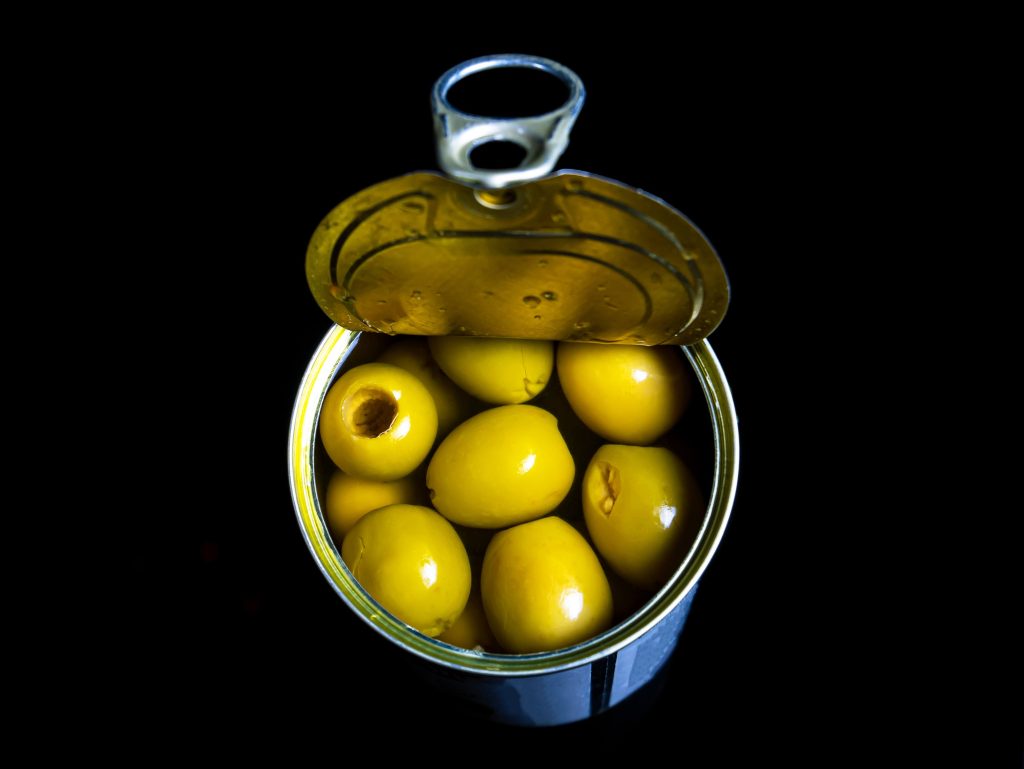
What are Export Standards on Olive Oil Tin Can Lids?
If you’re exporting olive oil, your tin can lids will need to meet strict food packaging standards. These are set to protect the consumer against contamination and render the product safe for shipping and storage.
So, what are they?
At the EU level, food contact packaging has to comply with Regulation EC No. 1935/2004. According to this regulation, materials — tin can lids included — are not allowed to transfer harmful chemicals to food. Sealing, labeling, and traceability are also demanded.
In the United States, packaging is under the jurisdiction of the Food and Drug Administration (FDA) under CFR Title 21. This requires all packaging for food, like lids for cans of olive oil, to be made of non-reactive materials that don’t leach chemicals. 21 CFR 175.300 itself has requirements for coatings on metal lids.
Other countries and regions, including the Middle East, Canada, Australia, and Asia, typically follow Codex Alimentarius or ISO pack standards. These emphasize clean production, product protection, and safe packaging material.
Labels, Seals, and Materials You Should Know
Most export controls demand:
- Food-grade tinplate that resists corrosion
- Interior non-toxic coatings, typically BPA-NI (BPA non-intent)
- Tamper-evident seal to show that the product has not been opened
- Correct country of origin labeling, expiration labeling, and batch traceability
And how do they actually affect your business? Let us discover.
What Happens When Tin Can Lids Don’t Comply?
If your olive oil tin can lids don’t comply with the destination country’s standards, your whole shipment may be held up, rejected, or even dumped at the border. That’s no paperwork headache — it’s a significant business risk.
Over the past few years, some exporters have been fined or had their shipments sent back due to failing simple tests on their packaging. Whether it is through chemical migration, unauthorized coatings, or non-compliant sealing, the repercussions can be severe.
The Hidden Costs of Non-Compliant Packaging
Consider the expense of relabeling or re-packaging a whole lot. Or worse, the expense of recalling 10,000 liters of spoiled olive oil because the lid leaked while in transport. Let alone the loss of your reputation if a client abroad opens a can and discovers rust, oil spill, or off-taste because you had used substandard materials.
When olive oil travels long distances, especially on a boat, it is exposed to heat, pressure, and water. If the lids are not durable enough, the product is ruined, even if the oil itself is okay.
That leaves us with the key question: what, therefore, really makes a tin lid export-ready?
What Makes a Tin Lid Export-Ready?
A tin lid may look dull, but it is made to accomplish a lot. In order to be safe for exporting food, it must seal tightly, keep air out, resist corrosion, and be chemically inert, while your olive oil stays fresh for months or years.
Here’s what to check for:
- Airtight closure to prevent oxygen and oxidation
- Anti-rust paints for interior and exterior
- BPA-NI epoxy coatings or similar food-grade coatings
- Tamper-evident features like pull-tabs or breakable rings
- Compliance testing of certifications for leading markets
- Quick Guide to Olive Oil Exporters
Before you purchase lids for your next production batch, ask your supplier:
- Are the lids made of certified food-grade tinplate?
- Do they have records of compliance with EC No. 1935/2004, FDA CFR Title 21, or Codex?
- Have the lids undergone migration testing to ensure that no toxic chemicals migrate into the oil?
- Are the coatings resistant to high temperatures, salt, and humidity?
- Can lids be customized to meet country-specific labeling or safety standards?
If you can’t answer “yes” to all of these, your tin can lids for olive oil might not be export-ready.
Now that we have a sense of what to look for, how do you know that you are receiving lids that pass the test?
How Simpler Tec Produces Olive Oil Tin Can Lids That Comply with Regulations
Here at Simpler Tec, we understand just how much is riding on your packaging. That’s why we focus on olive oil tin can lids that surpass — and in the majority of cases, exceed — international export standards.
Our lids are constructed of top-quality tinplate, BPA-NI lined and designed to form a tight, secure seal. Shipping to the EU, U.S., Middle East, or Asia? We can help ensure your packaging passes every inspection station.
We also have traceable manufacturing records, offer complete compliance documentation, and have flexible customization to suit your brand and market requirements.
Quality You Can Trust, Backed by International Certifications
Our dedication to quality encompasses:
- Migration-tested coatings to prevent the leaching of chemicals
- ISO-compliant manufacturing for sanitation and uniformity
- Tamper-evident solutions for increased security and consumer confidence
- Batch marking and traceability are incorporated in the manufacturing process.
- Individual product line, special sizes, and closure types
With Simpler Tec, you would not have to guess whether your lids meet or not. You would have the documents, test reports, and performance to prove it.
So, if you’re sick of wondering if your package will clear inspection or not, perhaps it’s time to change.
Conclusion
Choosing the ideal tin can lids isn’t so much about being rule-compliant — it’s about protecting your product, your brand, and your profit. When your olive oil tin can lids are export compliant, your shipments depart earlier, your customers trust your product more, and your business is more efficient.
At Simpler Tec, we assist olive oil producers, exporters, and distributors in becoming compliant and competitive using high-quality, export-grade tin caps. Whether shipping locally or overseas, your packaging shouldn’t slow you down — it should propel you forward.
Got questions about the appropriate standards for your market? We’d love to help. Get in touch with us today and let’s seal your next shipment for success.
FAQs
1. What are the tin can lids of olive oil made of?
Most olive oil tin can lids are made of food-grade tinplate with inner protective coatings like BPA-NI epoxy to prevent rust and contamination.
2. Do olive oil tin can lids come under export requirements?
Yes, lids must comply with food safety standards such as the EU’s EC No. 1935/2004 or the FDA’s CFR Title 21 to be legally exported.
3. How do I determine if my olive oil tin can lids are okay to eat with?
Check compliance documents like migration test reports, FDA or EU clearances, and BPA-NI labeling from your supplier.
4. Do non-compliant olive oil tin can lids cause shipment delays?
Yes. If your lids don’t comply with import standards, customs can reject or destroy the shipment, resulting in costly delays.
5. What should export-tin can lids for olive oil include?
They should be airtight, corrosion-resistant, BPA-NI coated, and tamper-evident, with a record to verify compliance.
6. Do countries have varying requirements for olive oil tin can lids?
Yes. While most share the same food safety procedures, regulations can vary among the EU, the USA, the Middle East, and other markets.
7. What is BPA-NI in the tin can lids of olive oil?
BPA-NI stands for “BPA non-intent.” It means that the internal lining of the lid is not manufactured using Bisphenol A, and thus it is safer and exportable.
8. How often should I inspect my olive oil tin can lids for compliance?
It is wise to check compliance with every production batch or prior to new export market entry in order to maintain consistency.
9. Is it possible to customize olive oil tin can lids for specific export markets?
Yes. Simpler Tec offers customization options to meet various international labeling and packaging requirements.
10. Where do I obtain export-quality olive oil tin can lids?
You may purchase Simpler Tec quality, certified olive oil tin can lids for international shipping.