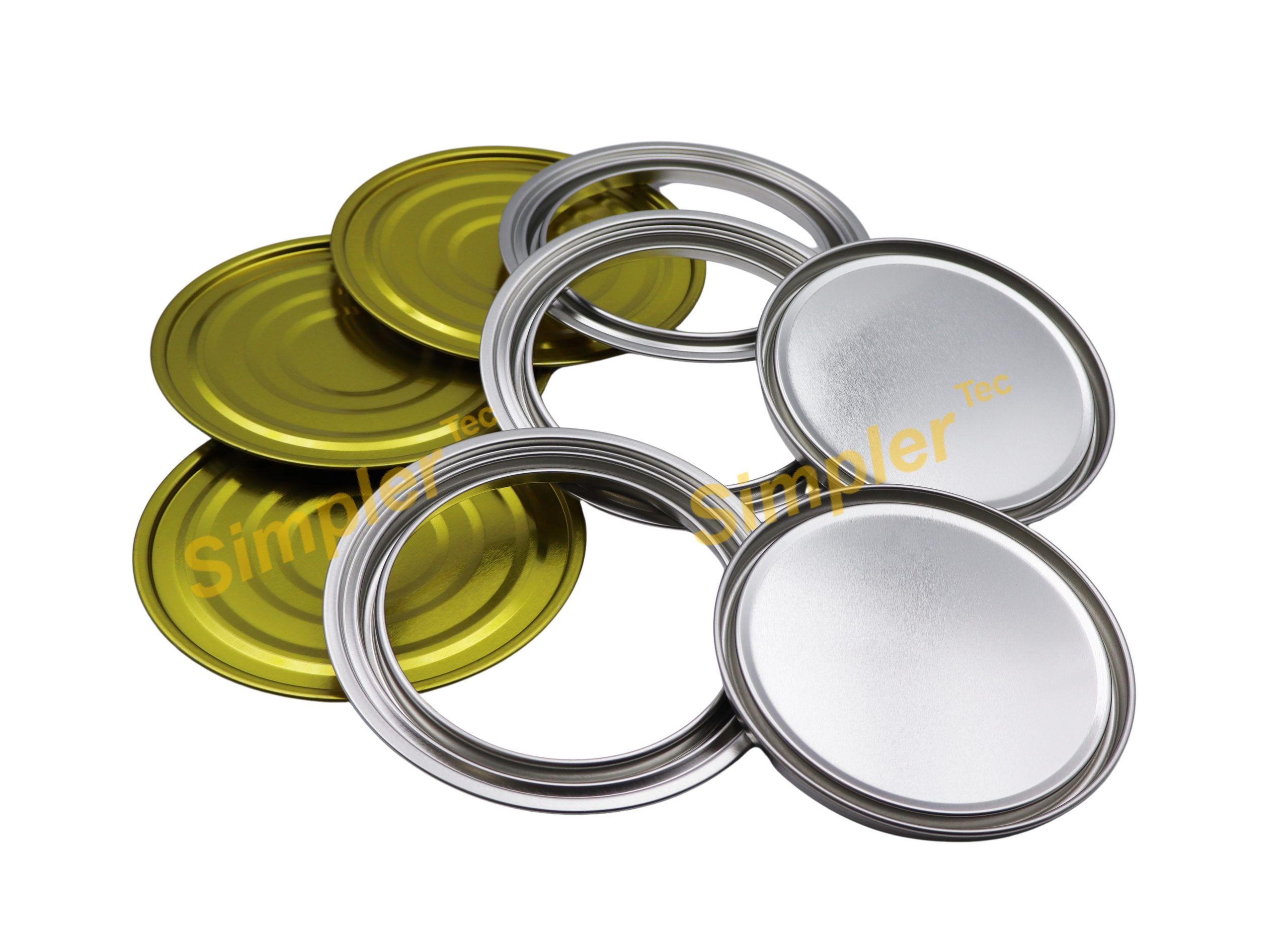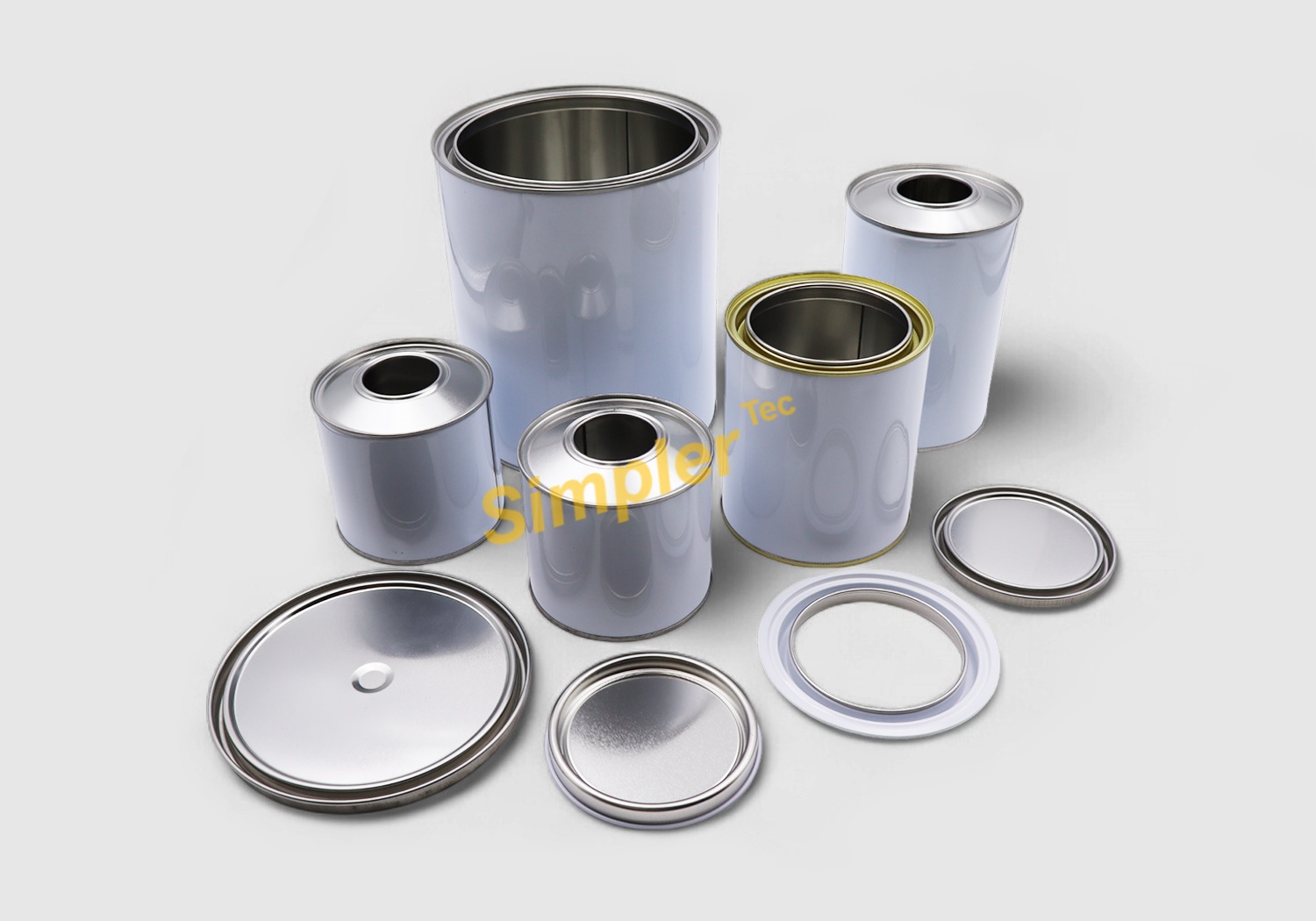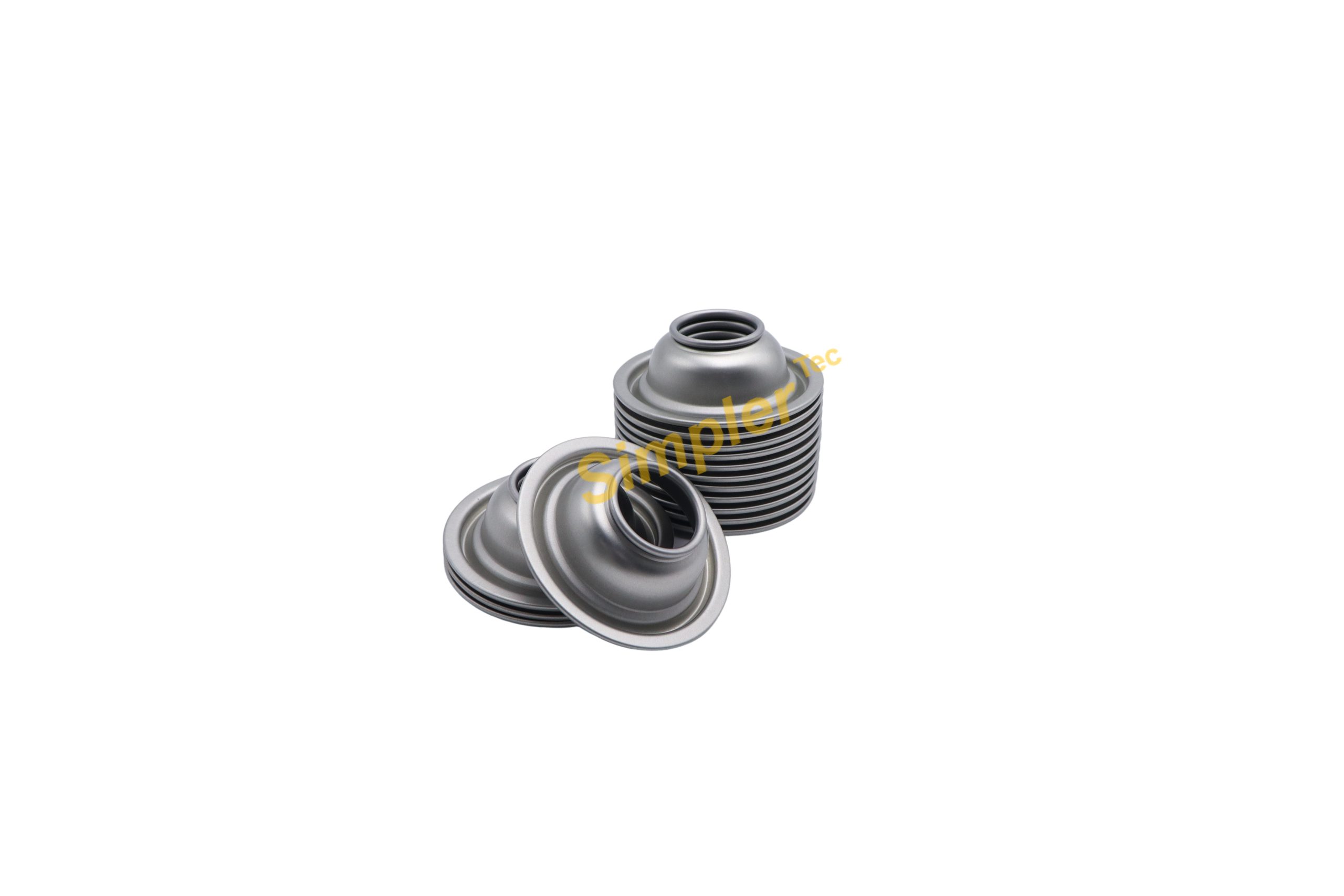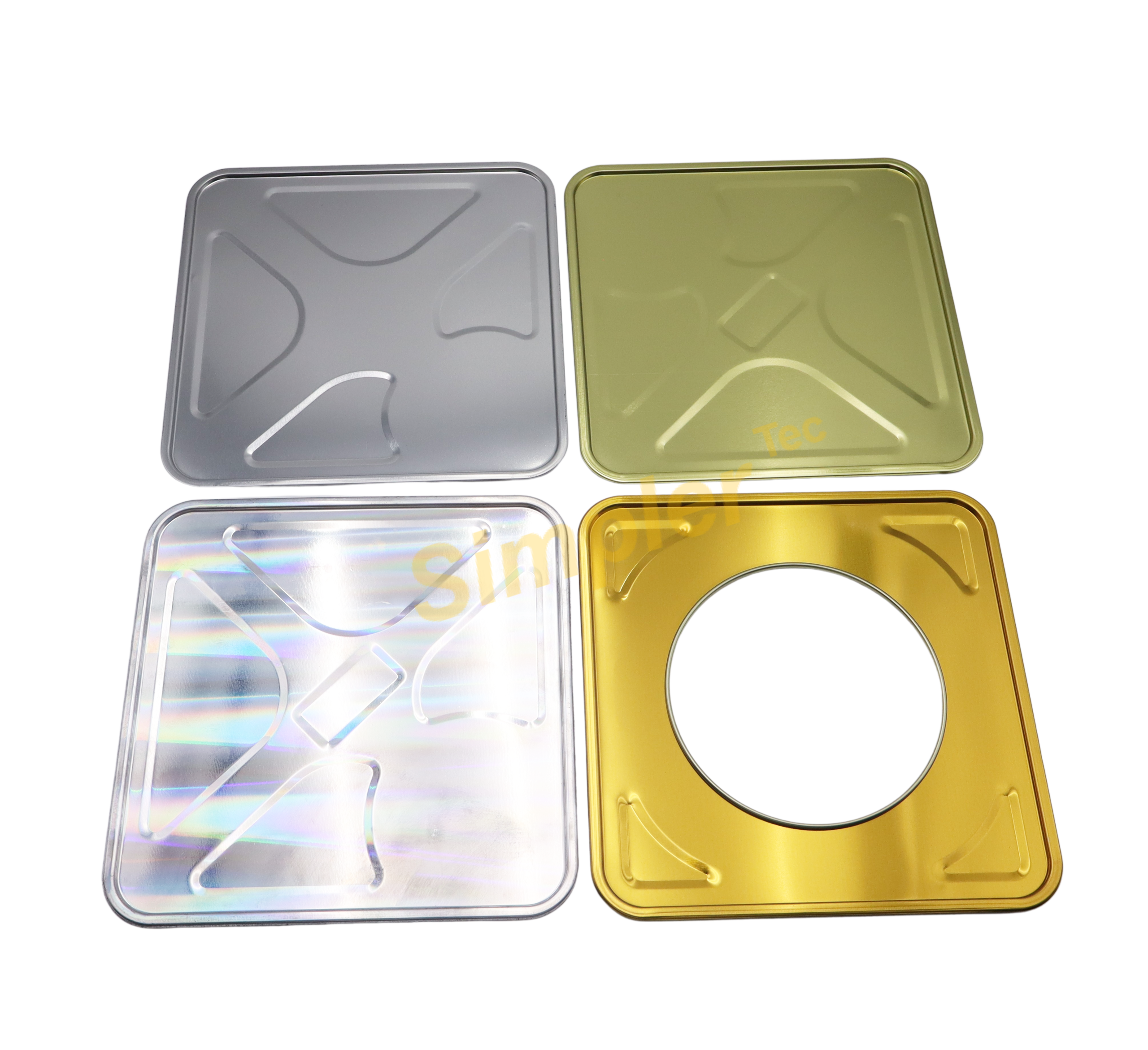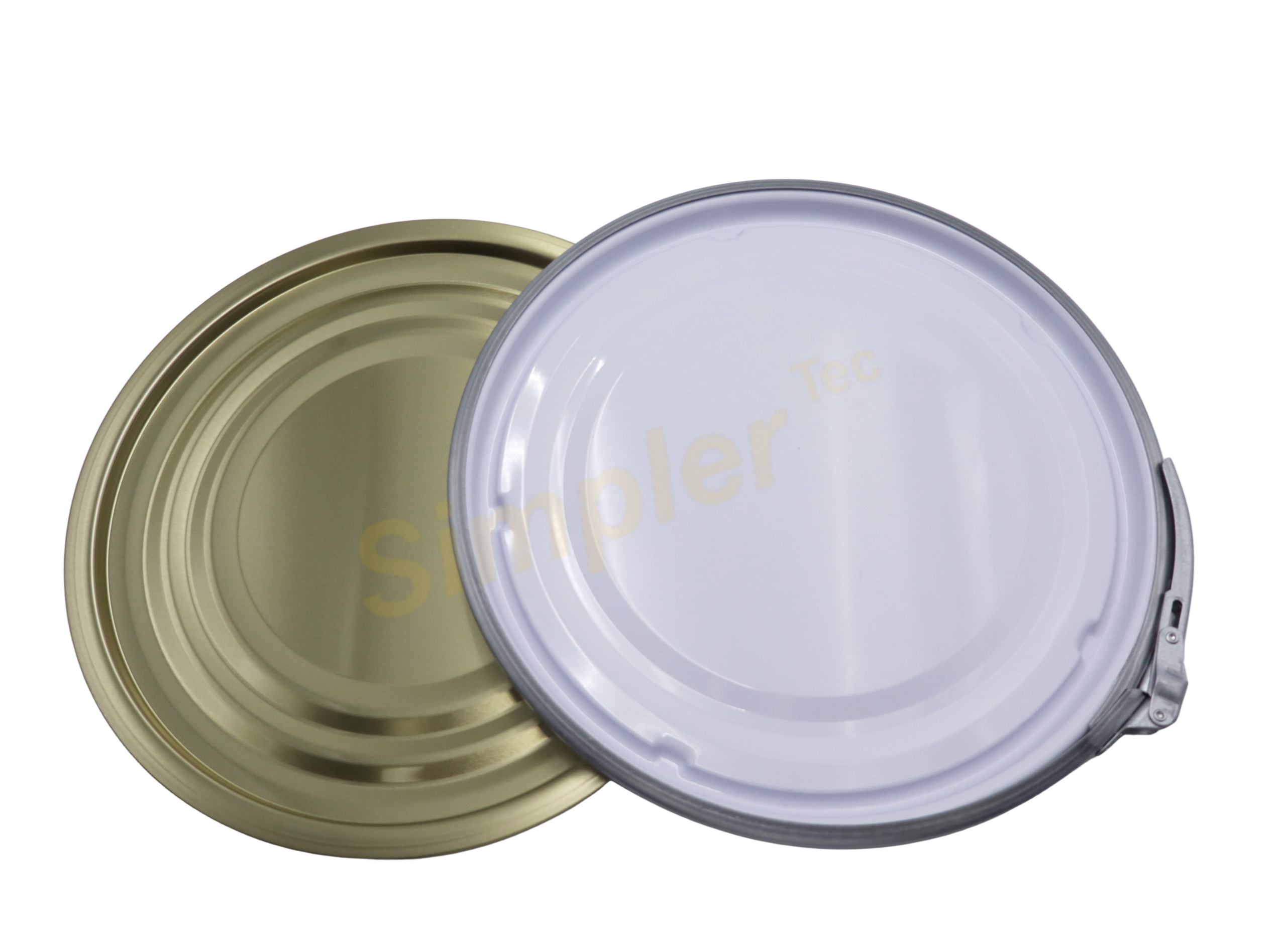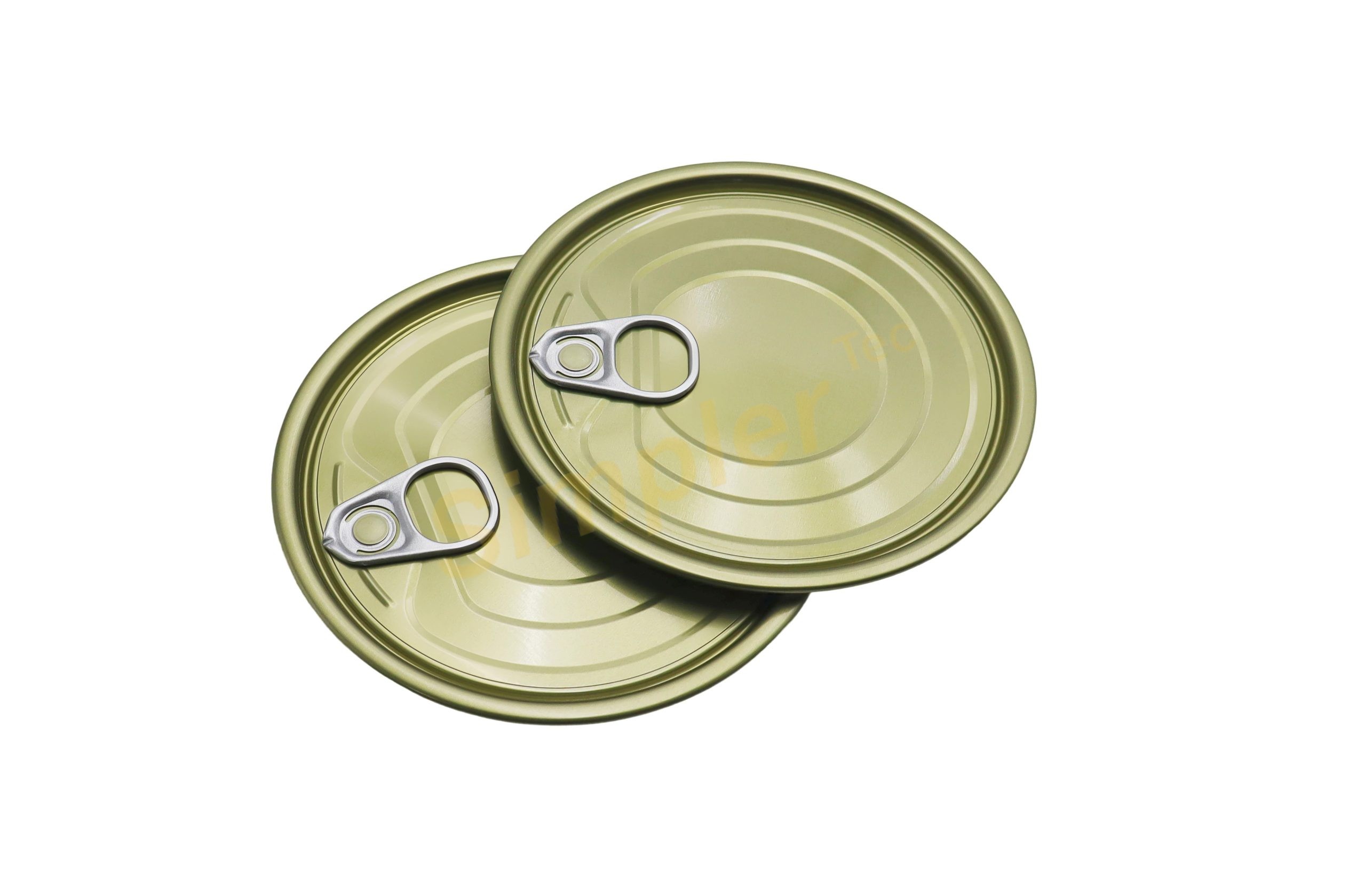
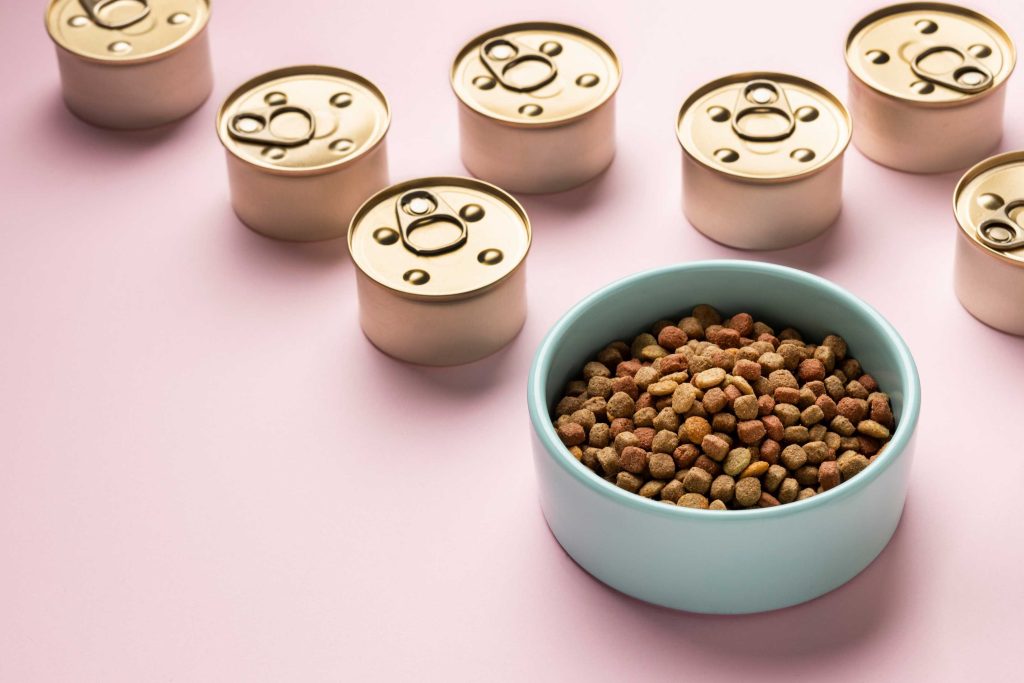
If you consider packaging for dry pet food, what do you immediately think of? Most people will think of the can itself — the label, the composition, the look. But there is one element that is always overlooked, even though it has a humongous responsibility of keeping the products fresh, safe, and appealing: the lid.
Yes, we’re referring to dry food can lids here, and the reality is, they’re a heck of a lot more critical than most companies understand.
Lids are not an afterthought. They affect freshness, convenience, branding, sustainability, and even customer satisfaction. The incorrect one can result in stale products, delayed shipping, or a bad first impression on the shelf.
So why do so many brands get it wrong in choosing them? Here, we explore the five most common errors brands make in choosing dry food can lids and illustrate how to avoid them. We’ll illustrate how choosing the right partner — like Simpler Tec — will save your time, money, and headaches.
Let’s begin at the top — literally.
Mistake #1: Ignoring Functional Features That Keep Food Fresh
Have you ever opened a can of pet food and found it stale, crumbly, or exposed? It’s not always the can’s fault — usually, it’s the lid.
One of the biggest errors brands commit is selecting lids that will not even work as intended. Dry food can lids must be able to keep the product inside safe from air, water, and external contaminants. That implies tight sealing, good fit, and simplicity in use by consumers and manufacturing personnel.
Most brands use a one-size-fits-all strategy, assuming that a single lid will fit several product lines. But when a lid won’t close, it admits air — and that leads to spoilage or texture and flavor loss.
In addition to fit, resealability is also a big issue. Consumers today desire packaging that keeps food fresh between opening and closing. If a lid requires a struggle to open or cannot be snapped securely back on, that is an issue — and likely a deal-killer.
So why is this overlooked? It’s simple: most teams are concerned with visuals and cost, not functionality. But the function of your packaging is the foundation of your product’s quality.
Which brings us nicely on to our next point — what your lids are constructed of.
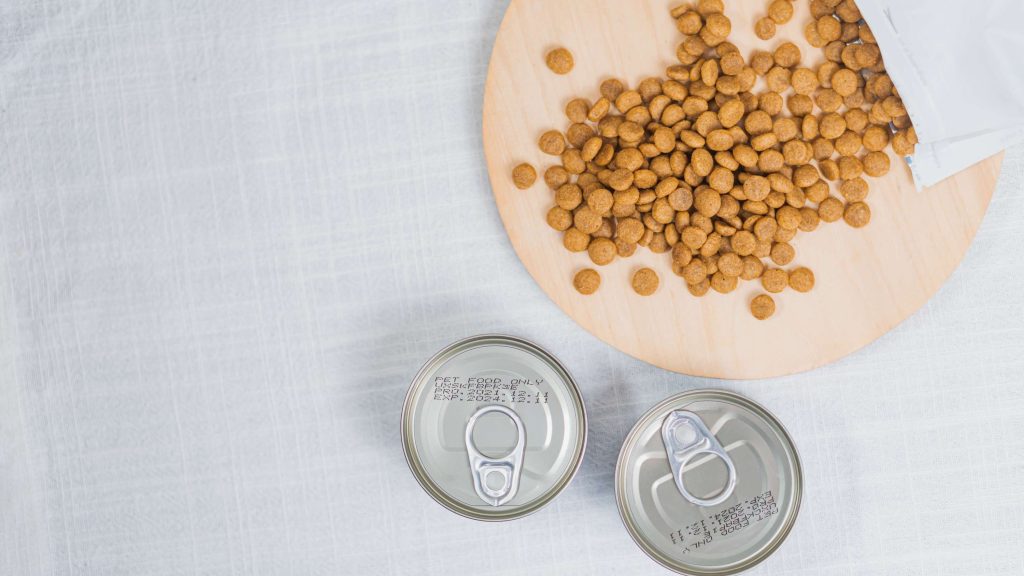
Mistake #2: Using the Wrong Lid Materials or Sealing Options
Not all the plastics — or seals — are created equal.
It’s simple to think that if a lid is “food safe,” it is okay. There is, however, a world of difference that exists between a minimum lid and one that is constructed to guard your product under actual conditions.
For instance, polypropylene (PP) is preferred as it is tough, secure, and is compatible with dry food. PET is more protective of moisture, and some of the metal-lined lids are best used for high-end packaging.
But if you skimp and employ thinner plastics or even untested materials, you’re left with actual issues. Warping, cracking, and leakage are the standard when lids are not built to withstand shipping pressures, stacking, or even minor temperature variations.
Another significant mistake? Failing to consider sealing options. Some dry food can lids will need tamper-evident capability, especially for store sale. Others will need to withstand heat-sealing processes in manufacturing. Choosing the wrong combination will lead to poor performance or even a product recall.
So, how do you know you’re choosing the right material? It starts with the right questions and looking at past price.
But what does it look like? That matters too — a whole lot more than most people ever think about.
Mistake #3: Overlooking Design and Brand Consistency
Have you ever looked at a nicely designed pet food can? With a dull, gray plastic lid on it? That little touch can ruin the entire appearance.
Your dry food can lids present a chance to increase your brand. They are the first touch your customers have with your product and the last with which they remain in contact when they put the can away in the pantry. Why not make the last contact memorable?
Too many brands will accept mundane lids that don’t match their palette, ignore visual indicators, or skip a touch experience. That’s a loss.
Benefits of Custom Dry Food Can Lids
- Color coordination with the company identity
- Embossed prints or printed designs to make a mark
- Textures or finishes that are premium-feeling and support your positioning
- Lid sizes and shapes to fit your specific range of products
When your lid communicates your design intent, it supports your shelf presence and consumer confidence. And in a congested pet food aisle, confidence is a selling point.
But now, being good-looking isn’t enough — your brand has to be good, too. Sustainability, shall we talk?.
Mistake #4: Ignoring Sustainability — Until It’s Too Late
Their pet owners today care about the health of the planet — and so do their retailers. If your packaging isn’t compatible with saving the planet, you’re not only losing the customer, you may be losing shelf space.
Multi-layer or mixed material can lids on dry food are not usually recyclable. If your lids are not marked correctly or contain materials that are not tolerated by regional recycling plants, that is a green consumer red flag.
How to Choose Eco-Friendly Dry Food Can Lids
- Use mono-material plastics (more recyclable)
- Use PCR (post-consumer recycled) material for environmental consideration.
- Provide reusable lid styles for long-term storage.
- Provide clear marking to enable proper disposal by consumers.
Sustainability is no longer an option. The brands that act now are building loyalty and trust. The brands that wait? They might be left behind.
But even the prettiest, green top isn’t going to save you if it can’t reach you in time, or work. That brings us to error number five.
Mistake #5: Choosing the Wrong Supplier
Your lid is as strong as the team that supports it.
The wrong supplier equals a bad fit, variable quality, and late delivery. For quick-turn pet food brands, that’s a significant risk, particularly during the time of seasonal promotions or big retail launches.
If your supplier isn’t highly familiar with dry food can lids, they may not understand the precise tolerances needed. Worse still, they may not even test for stacking pressure, tamper resistance, or sealing integrity.
Why Dry Food Can Lids Care About Supplier Experience
- The packaging partners must be food-safe certified.
- They should offer prototyping and fit testing before mass production.
- They need to understand the pet industry packaging standards.
- They ought to communicate effectively and perform on time.
Don’t bet on your product to make it. Select a partner who understands what your lids has to accomplish, and can demonstrate they can make it happen.
Then, on whom are you depending for something this important?
Why Simpler Tec for Your Dry Food Can Lids
We don’t only produce lids at Simpler Tec. We enable brands to improve packaging from the top down.
Our pet food dry food can lids are designed for performance, precision, and personality. We know what pet food manufacturers need — because that’s who we design for.
This is what sets us apart:
- Personalized lids that are tailored to your exact can size and brand requirements
- Long-lasting, resellable, and food-grade packaging that protects your product
- U.S.-based manufacturing = faster turnaround, less lag
- Green solutions for attaining sustainability goals
- End-to-end support from design to delivery
By choosing Simpler Tec, you’re choosing peace of mind — and a product that makes yours shine.
Conclusion
Far too frequently, brands forget the role their lids play. But your package is a system, and the lid is the final, most critical element.
By steering clear of these five most common errors, your brand will acquire freshness, win customers’ trust, and become competitive in a competitive market.
And if you’re willing to have your dry food can lids do more — seal better, look sharper, and work smarter — we’d love to assist.
Ready to substitute your dry food can lids. Conversation is what we’re all about. Our Simpler Tec team is here to help you get it right the first time. Contact us today — we’ll make your packaging stronger than your brand.
FAQs
1. What materials are used for dry food can lids?
They are typically made of food-grade plastic like polypropylene (PP) or metal and PET. Metal or recycled content is used in luxury lids.
2. Are lids on dry food reusable?
Yes, they are mostly resealable and reusable multiple times to maintain food freshness.
3. Are dry food can lids recyclable?
That will depend on the material. Mono-material plastic lids should be recyclable, but always check local law.
4. Are the lids of different sizes?
Yes. Lids have to match your can size to seal and preserve properly perfectly.
5. Can dry food lids be branded?
Yes. You can also include colors, logos, and textures to fit your brand.
6. How can I tell if a lid is airtight?
Look for lids that have been air and moisture-resistant, resistance-tested — a good seal is crucial.
7. Are all lids food-safe?
Not necessarily. Make sure they’re FDA-approved or food-safe certified.
8. Does the lid affect shelf life?
Yes. Poorer seal will significantly curtail the shelf life of the product.
9. What is the minimum order for special lids?
That varies by supplier. Simpler Tec offers flexible options for growing brands.
10. How long will the production take?
With the right supplier, like Simpler Tec, lead times are quick and consistent.