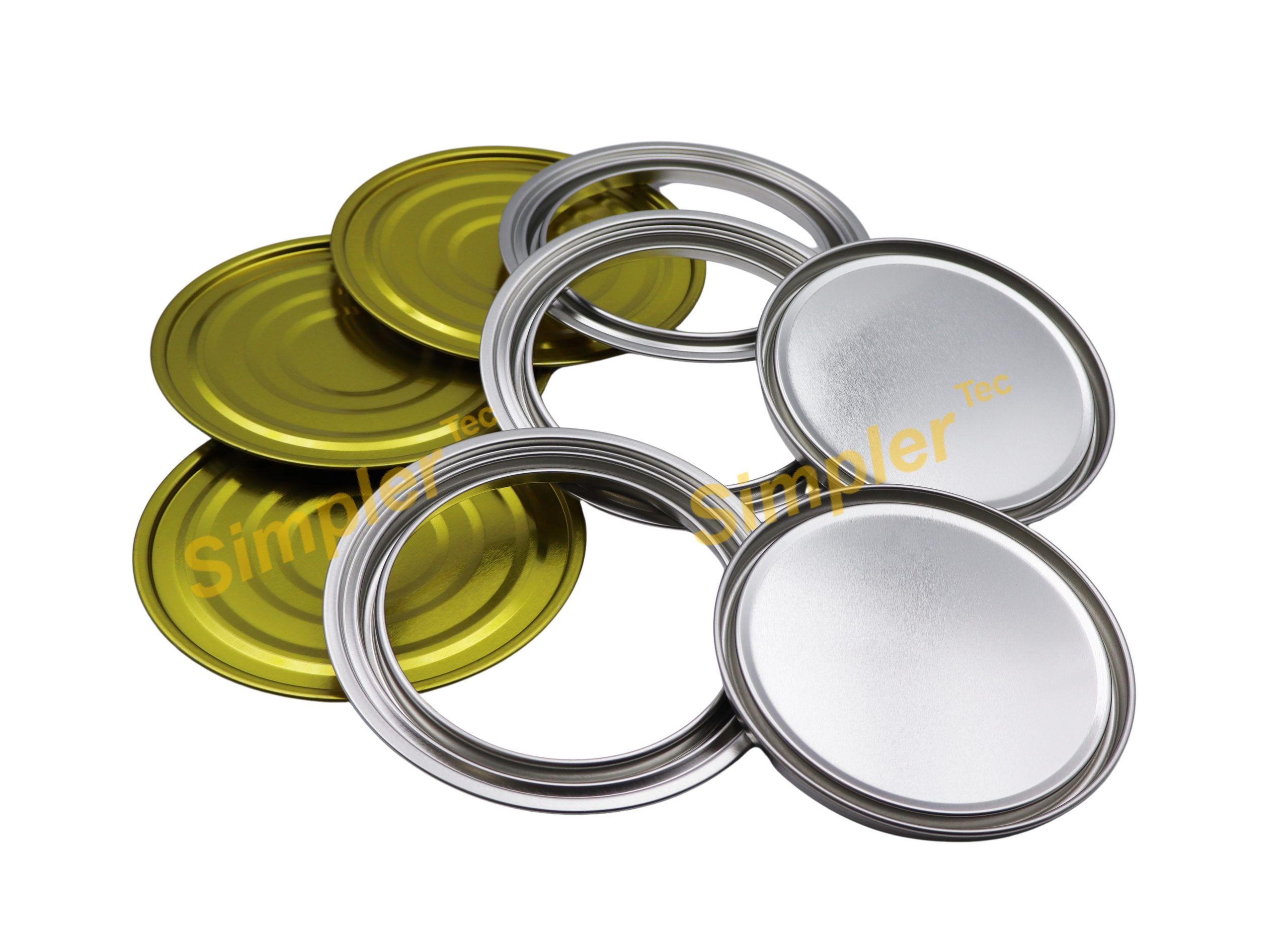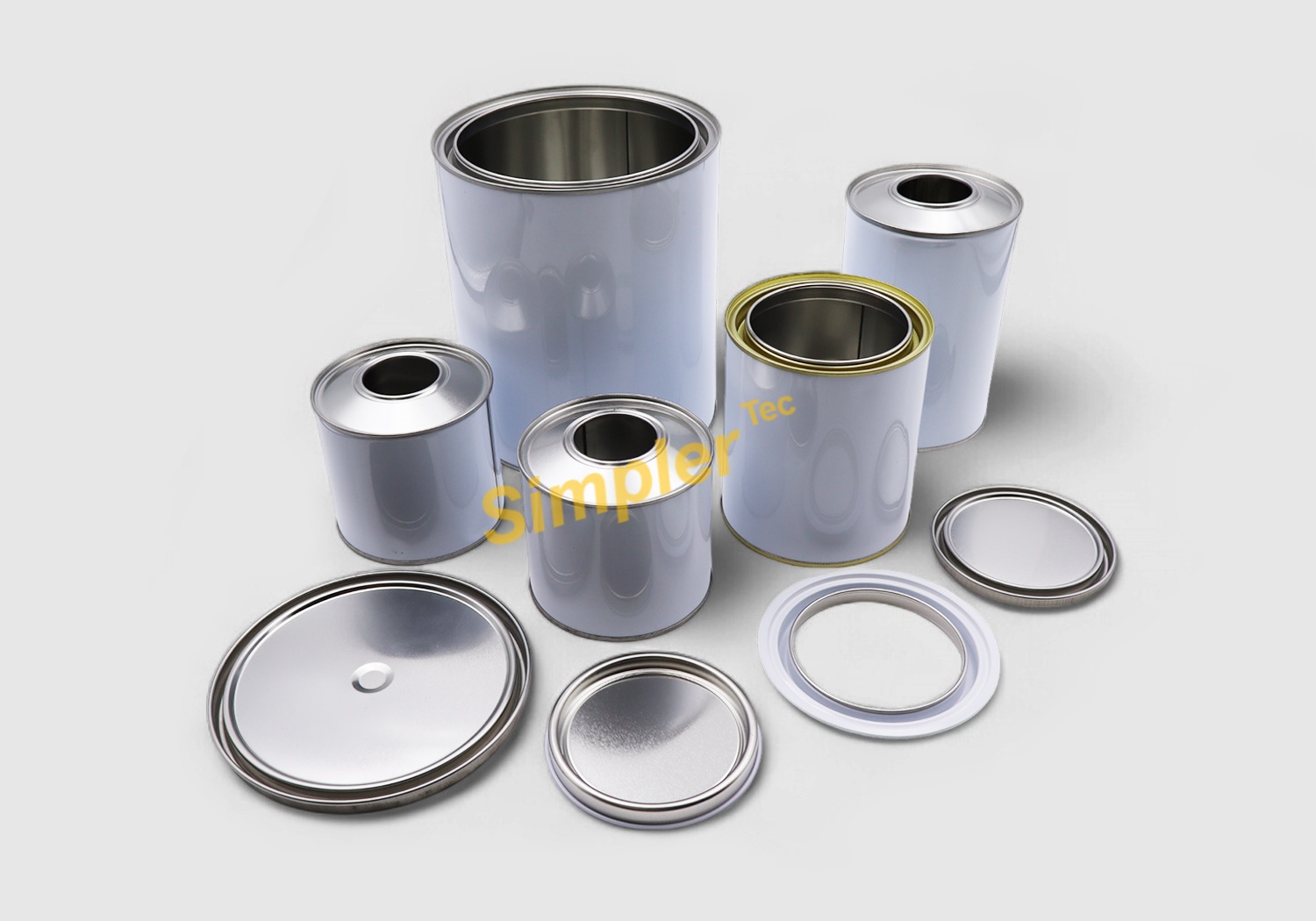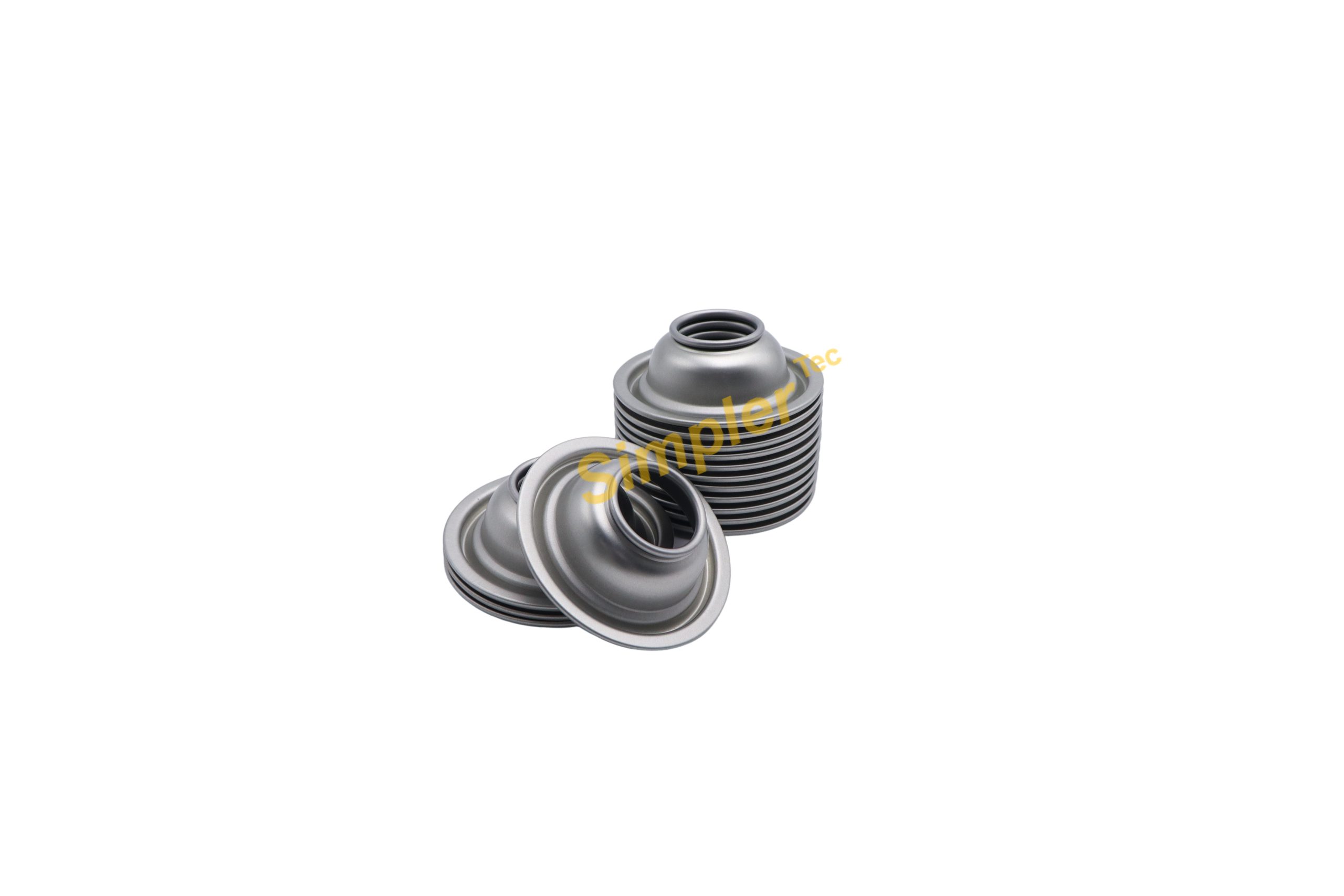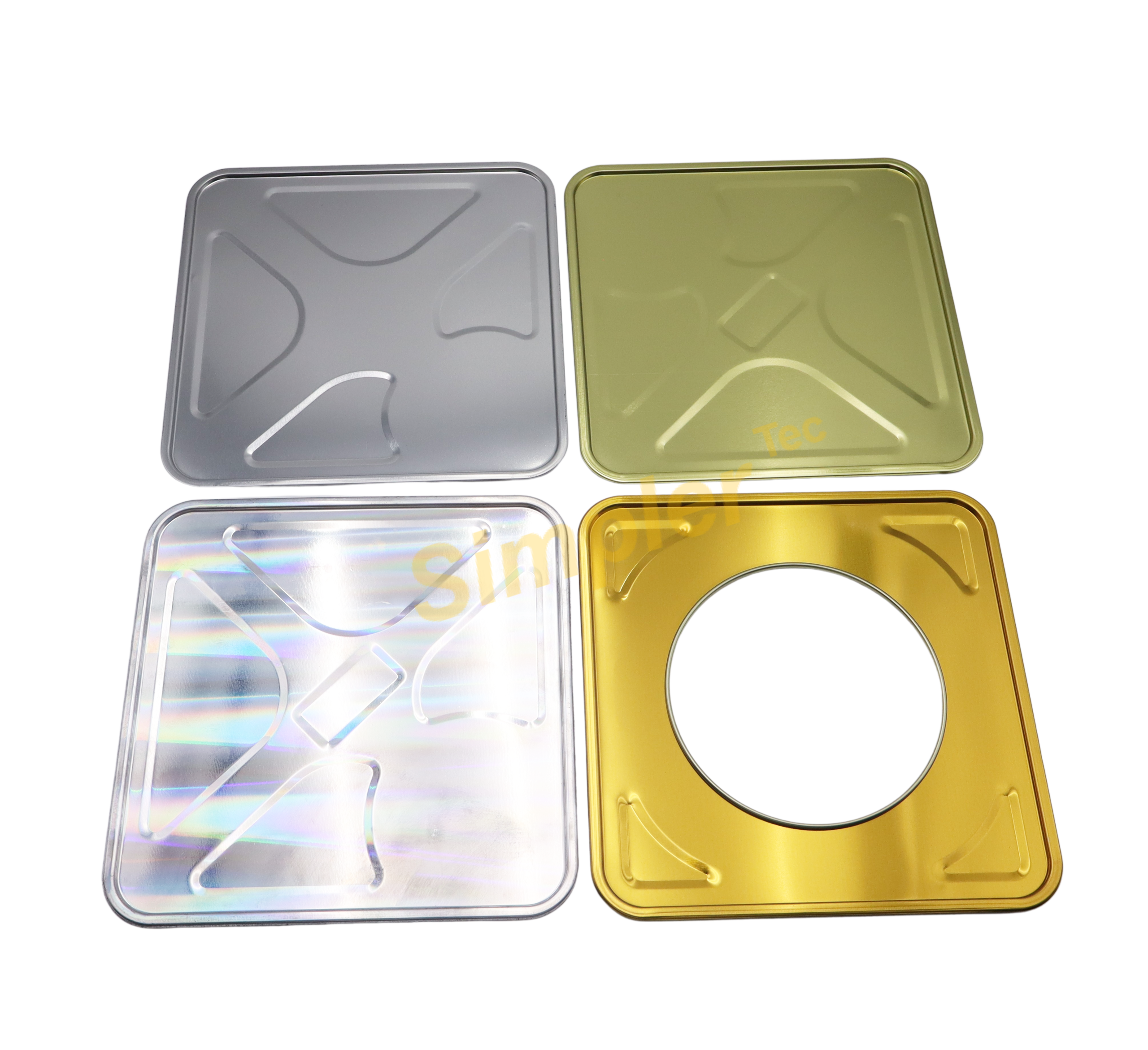
When you reach for a cold soda from the refrigerator, twist open a can of carbonated water, or crack open an energy drink, you probably don’t give much thought to the top lid. But to the firm, the lid is as important as the drink inside the can. It’s not just closing the drink—it’s about shelf life, image, sustainability, and even the customer experience on the first sip.
Beverage Tin Can Lids play an important role in beverage transportation, storage, and consumption. If you are a startup company introducing a new drink or volume manufacturer trying to decide on packaging, understanding the types of lids will lead you to make more informed decisions for your product and business.
So, what are all the different kinds of lids—and how do you know which kind to put on your drink?
What Are the Main Types of Beverage Tin Can Lids?
The Beverage Tin Can Lids world is more varied than you would imagine. Various lids are designed to perform different functions, and each of them has an influence on how the beverage contained is stored, preserved, and consumed.
Let us discuss thoroughly the most common types of lids utilized by the beverage industry today.
Stay-On Tab (SOT) Lids
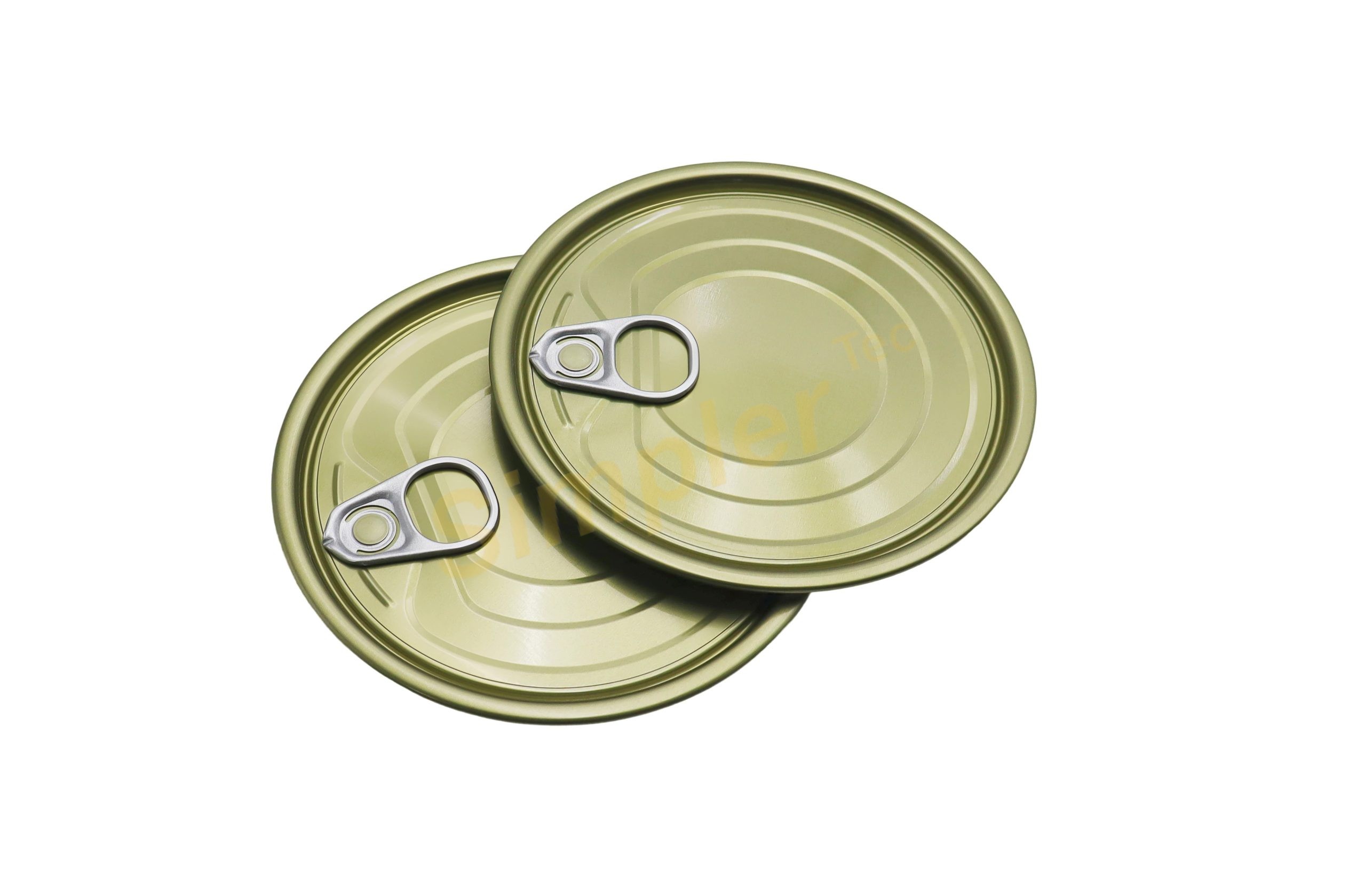
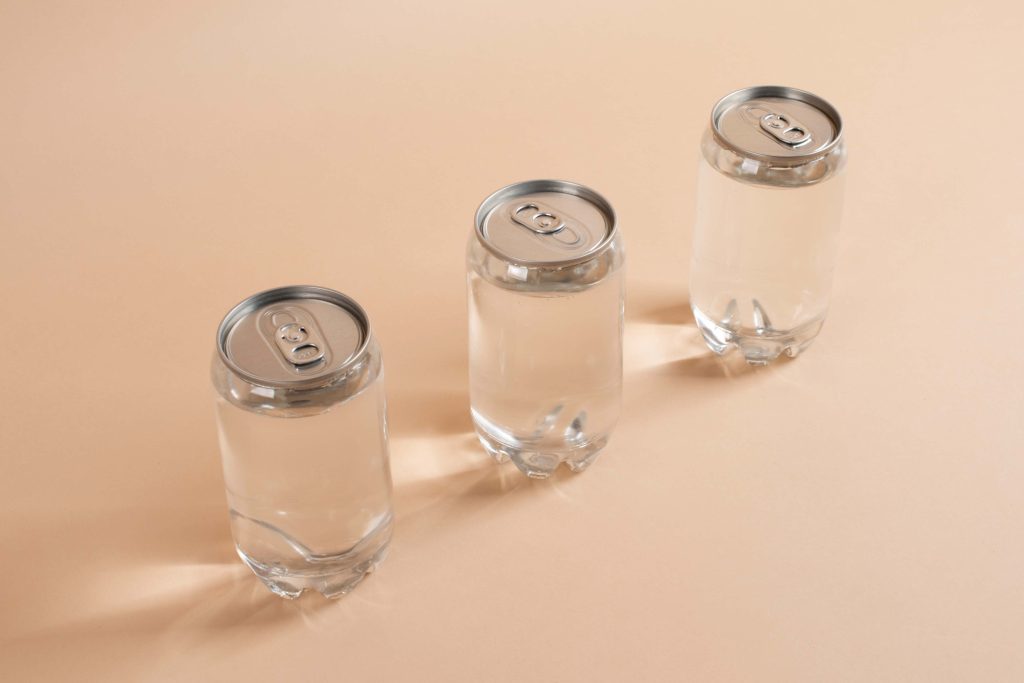
SOT lids are applied most frequently in modern-day packaging of drinks. When you pull open the tab, the metal part stays on the lid. It is eco-friendlier and recyclable. The soda cans, beer, sparkling water, and energy drinks make use of these lids.
SOT lids are so widely used because they create a tight seal, work well with high-pressure beverages, and they’re affordable too. For mass production and extensive distribution, they’re most often the choice.
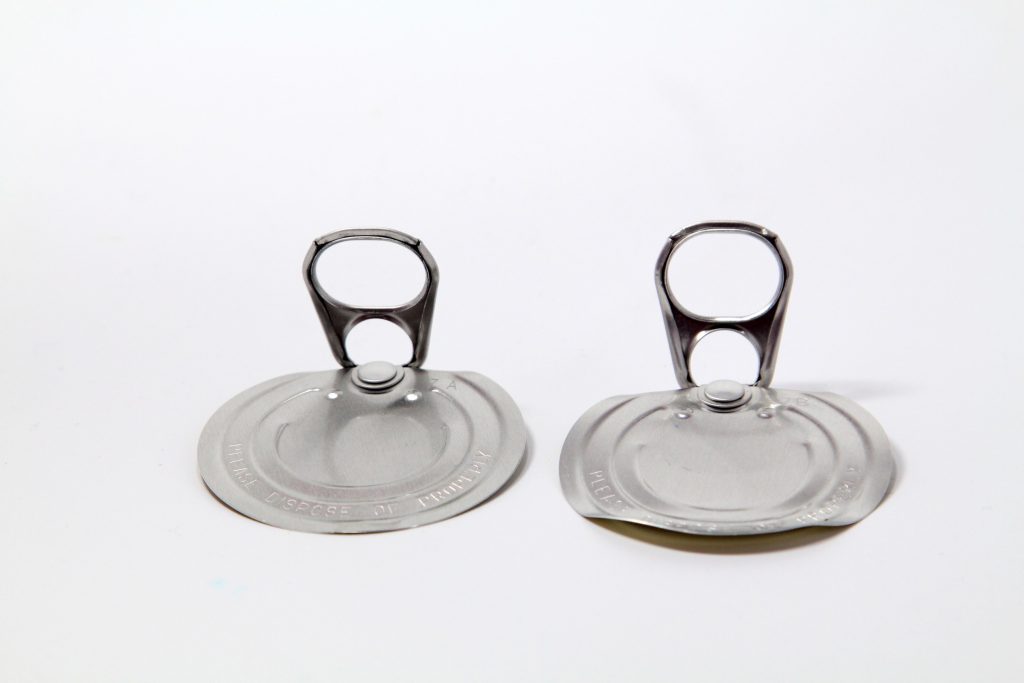
Ring Pull Lids
Ring pulls were once more common but occur in some markets or retro brands nowadays. In these, the tab is pulled entirely off to open the can. This style, while having a retro feel, is a safety risk because the tab can be pulled off.
They are usually placed on juices, certain alcoholic beverages, or export items where the consumer’s tastes vary.
Full Aperture Ends
These lids allow for the top of the can to be opened completely. You may have seen them in ready-to-drink soups or protein beverages. Full-aperture ends are increasingly common on sports beverages and functional beverages because they allow the drink to be consumed from the can more comfortably.
They also provide a high-end sense, which enhances the experience and interactivity.
Peel-Off Lids
Peel-off lids consist of a tin rim and a foil seal. You simply peel the top off to access the liquid inside. They are used for more specialty or higher-end products like wellness beverages, dairy beverages, or juice mixes.
They are slender-looking and possess a minimalist user interface, but are not suited for carbonated beverages as they are not very pressure-resistant.
Valve-Integrated Lids
These are technologically enhanced can lids. Valve-integrated lids are manufactured with pressure-control systems incorporated. They’re utilized in beverages such as cold brew, kombucha, or nitrogenated drinks that cause gas buildup when packed.
They allow the excess pressure to vent but trap the flavor and fizz. While more costly, they’re not to be avoided for some types of drinks.
Since we’ve covered the types of lids, we can now cover the material used to make them and why the material is just as important as the design.

What are Beverage Tin Can Lids made of, and why does it matter
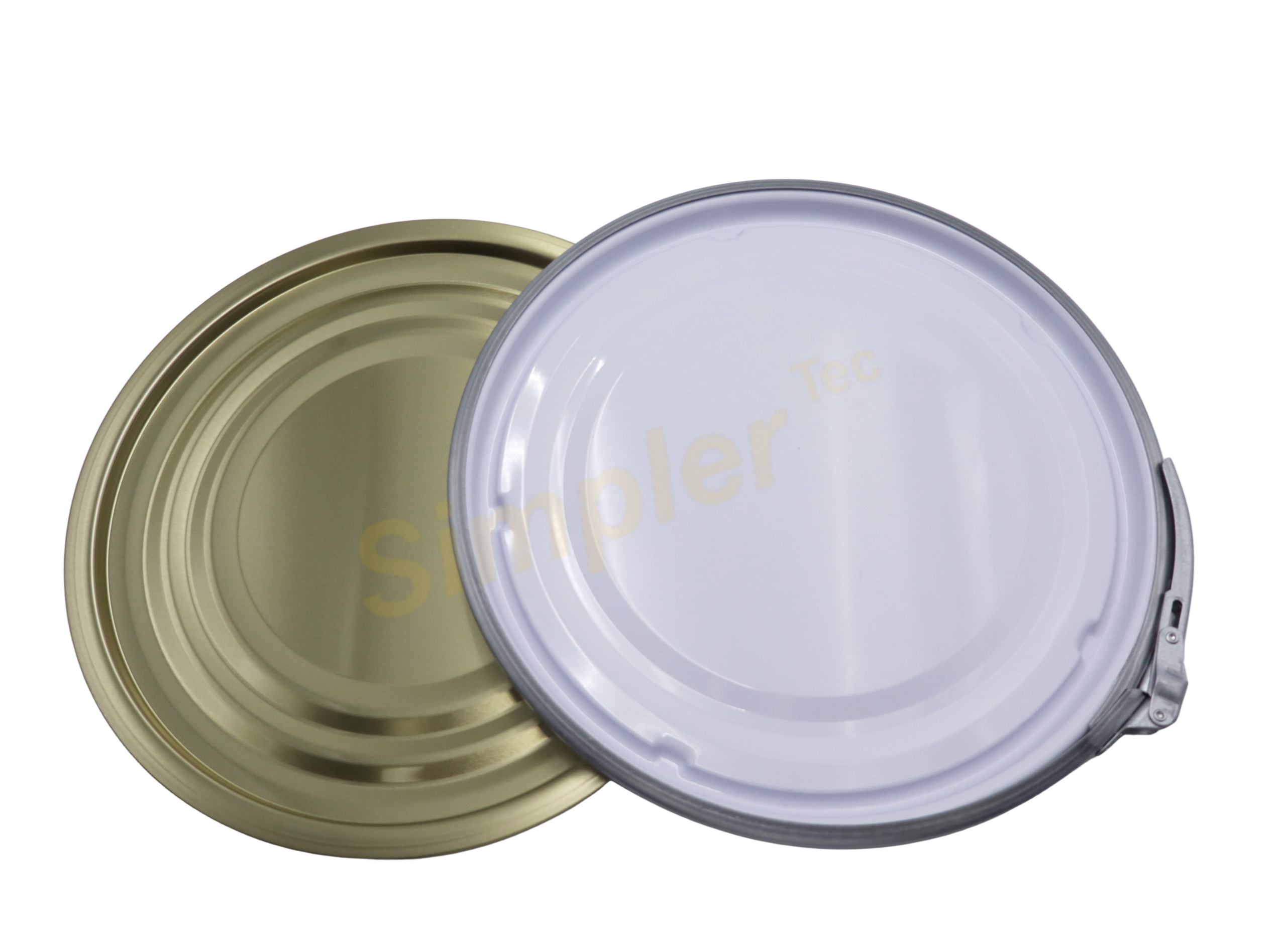
In the case of Aluminum Beverage Tin Can Lids, all aspects, ranging from shelf life to recyclability, can be influenced by the material. The most widely used top three materials are aluminum, tinplate steel, and composite materials.
Why care about what is in it? Because it has an impact on cost, environmental impact, and how your product performs after it is in the manufacturing stream.
Recyclability and Sustainability
Aluminum is also very light, corrosion-resistant, and fully recyclable. Most beverage cans in America are actually constructed of aluminum. It’s best for carbonated beverages because it is pressure-proof and helps keep products fresh longer.
Tinplate steel is heavier and more durable. It does a great job of keeping out light, moisture, and air, making it a perfect choice for some milk or coffee beverages. It’s recyclable too, though less so than aluminum.
Composite materials, like a plastic and foil layer and a metal ring, are sometimes used in peel-off lids. While these are premium-looking, they are harder to recycle, which might not be a hit with eco-conscious consumers.
Effect on Performance and Safety
Material selection also influences the performance of the lid during transportation and usage. Aluminum lids are dented but highly effective for high-speed canning. Tinplate lids are more robust and thus ideal for
drinks with extended shelf life or products to be shipped over distances.
If sustainability and durability are what you require, then tinplate and aluminum are both excellent, just suitable for different applications.
Now you know about the different types of lids and what they are constructed from. But how do the lids really affect what is inside the can? Let’s take a deeper look at preservation, carbonation, and shelf life.
How Beverage Tin Can Lids Affect Shelf Life and Product Quality
Choosing the right lid isn’t only about appearance—it’s about flavor, freshness, and safety.
The seal that Beverage Tin Can Lids creates is what keeps air out and carbonation in. A seal that is not good will result in flat soda or spoiled juice, which translates to dissatisfied customers and lost product.
Stay-on-tab lids, when used with double-seamed ends, are perfect for carbonated beverages. They pressure-tight seal in freshness. Peel-off lids and full-aperture ends will not seal as tightly, so use them for non-carbonated beverages like juices or protein shakes.
Valve-integrated lids are a breakthrough for naturally fermenting or gas-filled beverages. These allow pressure to be released slowly, preventing cans from swelling or bursting and keeping the drink fresh.
Shelf life is also influenced by the quality, which is affected by the exclusion of light and oxygen. This is where material and lid type come into the equation. Tinplate will keep light out better than aluminum, and this may be crucial if there are light-sensitive ingredients.
Having talked about the effect of lids on the quality of products, let’s match them with the drinks they best accompany.

Choosing the Right Beverage Tin Can Lids for Different Drink Types
Not all drinks are created equal, and neither are the caps they need. The cap that you employ must be determined by your drink’s formula, shelf life, and final customer experience.
Carbonated Drinks (Soda, Beer, Sparkling Water):
Aluminum stay-on-tab lids are ideal. They keep carbonation in, are light, and are easy to recycle.
Still Drinks (Juice, Dairy, Protein Shakes):
Peel-off or full aperture closures are fine. They open easily and provide a cleaner experience.
Fermented or Gas-Infused Drinks (Kombucha, Nitro Cold Brew):
Lids with valves integrated are safest and the best choice in this scenario.
Specialty or Export Products
Ring pull lids can be used depending on the requirements of local markets.
It’s matching the product type to the lid that assists in providing freshness, safety, and an excellent user experience.
But selecting the right lid is not only a technical matter of compatibility. It’s also about how your product appears, handles, and competes on the shelf. Now we can discuss branding.
How to Choose Proper Beverage Tin Can Lids for Your Business
Packaging isn’t only practical—it’s emotional as well. The type of lid can determine the feelings consumers have when they open your product.
Consumer Experience and Market Appeal
- Do you need your product to look vintage and recognizable? SOT lids are the solution.
- Do you need something new and interactive? Full-aperture or peel-off lids can provide a high-end unboxing experience.
Your Beverage Tin Can Lids choice should reflect your brand image—it can be earth-friendly, trendy, upscale, or classic.
Production, Shipping, and Cost Factors
Of course, you have to be realistic as well.
- Can your manufacturing line accommodate a valve-integrated lid?
- Is your beverage pressure-sensitive?
- What are the shipping costs by can weight?
Getting the lid right is more about meeting function, price point, and consumer expectations.
Still unsure of what to select? That is where the right packaging partner can help.
Why Simpler Tec for Your Drink Tin Can Lids?
At Simpler Tec, we help businesses like yours find the perfect packaging, right down to the lid. Whether you’re ramping up production, launching a new product line, or seeking sustainable packaging, we’ve got you covered.
- Special lid sizes and shapes: From the standard SOT to specially designed peel-offs
- Material knowledge: Tinplate or aluminum? We’ll show you.
Green alternatives: Power your sustainability strategy
- Flexible orders: Whether you’re ordering thousands or millions
- Industry know-how: We’ll lead you to the right lid for your drink, your audience, and your budget
We understand that great packaging is more than a box—it’s part of your product. And we’re here to make sure it gets done right.
Conclusion
Choosing the ideal Beverage Tin Can Lids is a small decision, yet it can be a big one. From maintaining your beverage fresh to delivering the optimal opening experience, the lid is engaged at every phase of the life of your product.
Having trouble deciding which lid is perfect for your next product? Let’s discuss. At Simpler Tec, we’re here to help you find the perfect fit for your drink line—technically and creatively.
Contact us today and start building a can that does more than hold your drink—it brings your company to life.
FAQs
What are the top drink tin can lids?
Stay-on-tab (SOT) lids are the most common lids, followed by peel-off, ring pull, and full aperture lids.
Which lid is best suited for carbonated beverages?
SOT lids are ideal for carbonated beverages because they form a tight seal.
Are beverage can tin lids recyclable?
Yes, tinplate caps and aluminum caps are recyclable and support eco-friendly packaging efforts.
Can I order lids customized for my drink company?
Yes. Simpler Tec offers specialty lid styles, materials, and finishes to suit your brand.