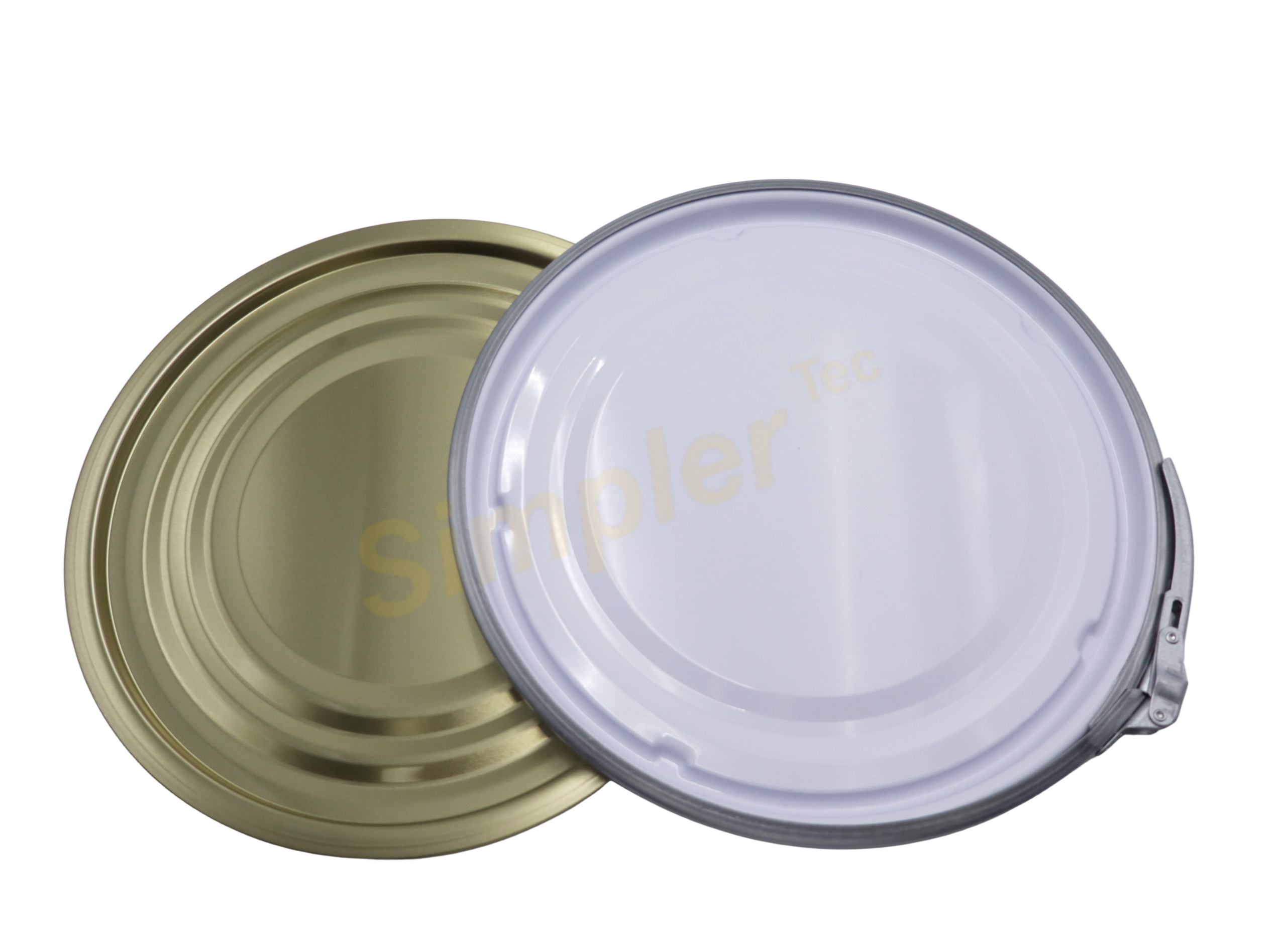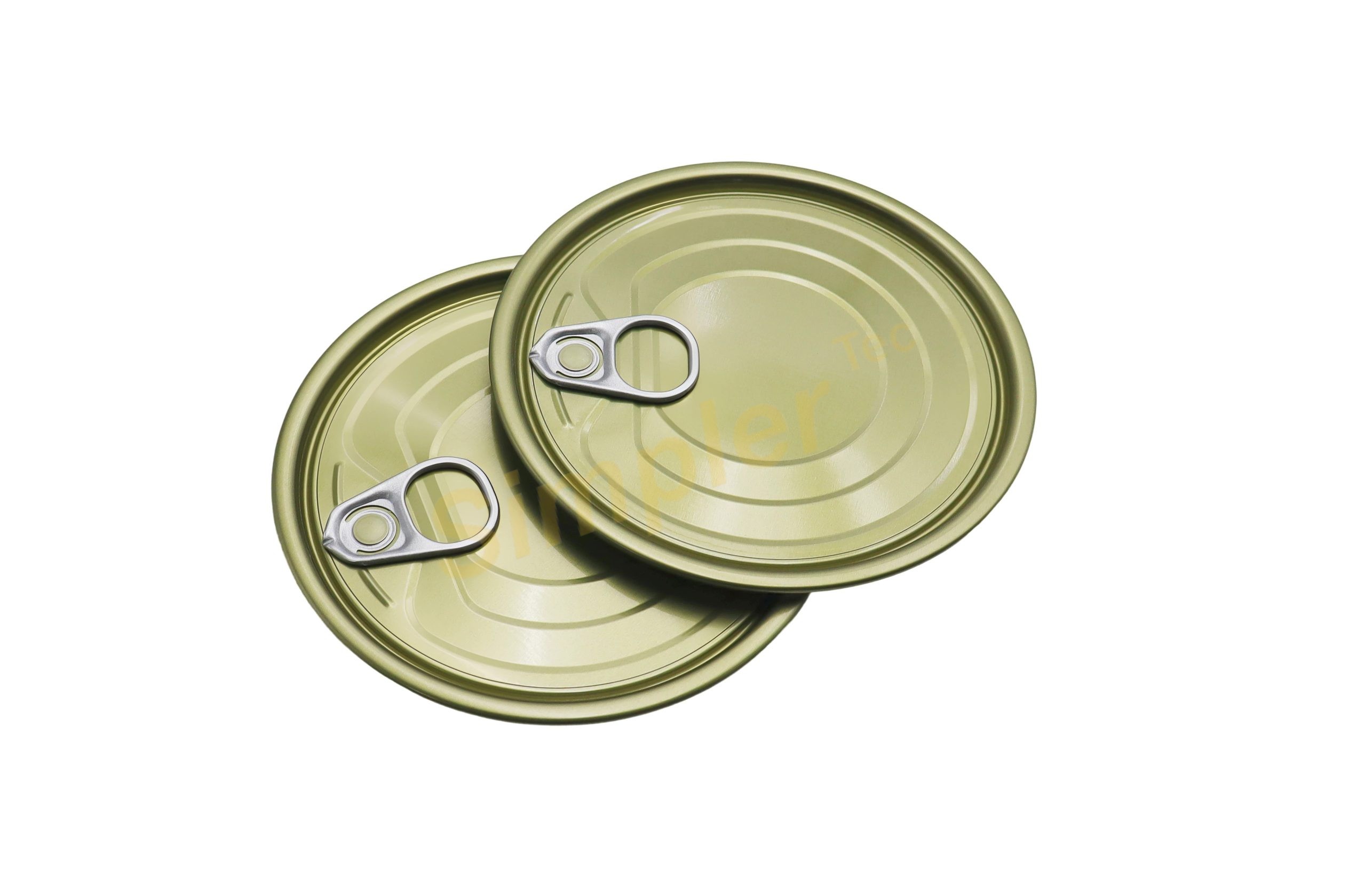

In commercial food production, attention usually goes to recipes, ingredients, or equipment. But one small piece of the puzzle gets overlooked—until something goes wrong. That piece is the Canned Food Lid Cover. It seems insignificant, but this piece is vital to food safety, freshness, and regulatory compliance.
So why is lid quality so crucial? And what’s the consequence of companies cutting corners on this tiny bit of packaging? Let’s find out.
The Importance of a Good Canned Food Lid Cover
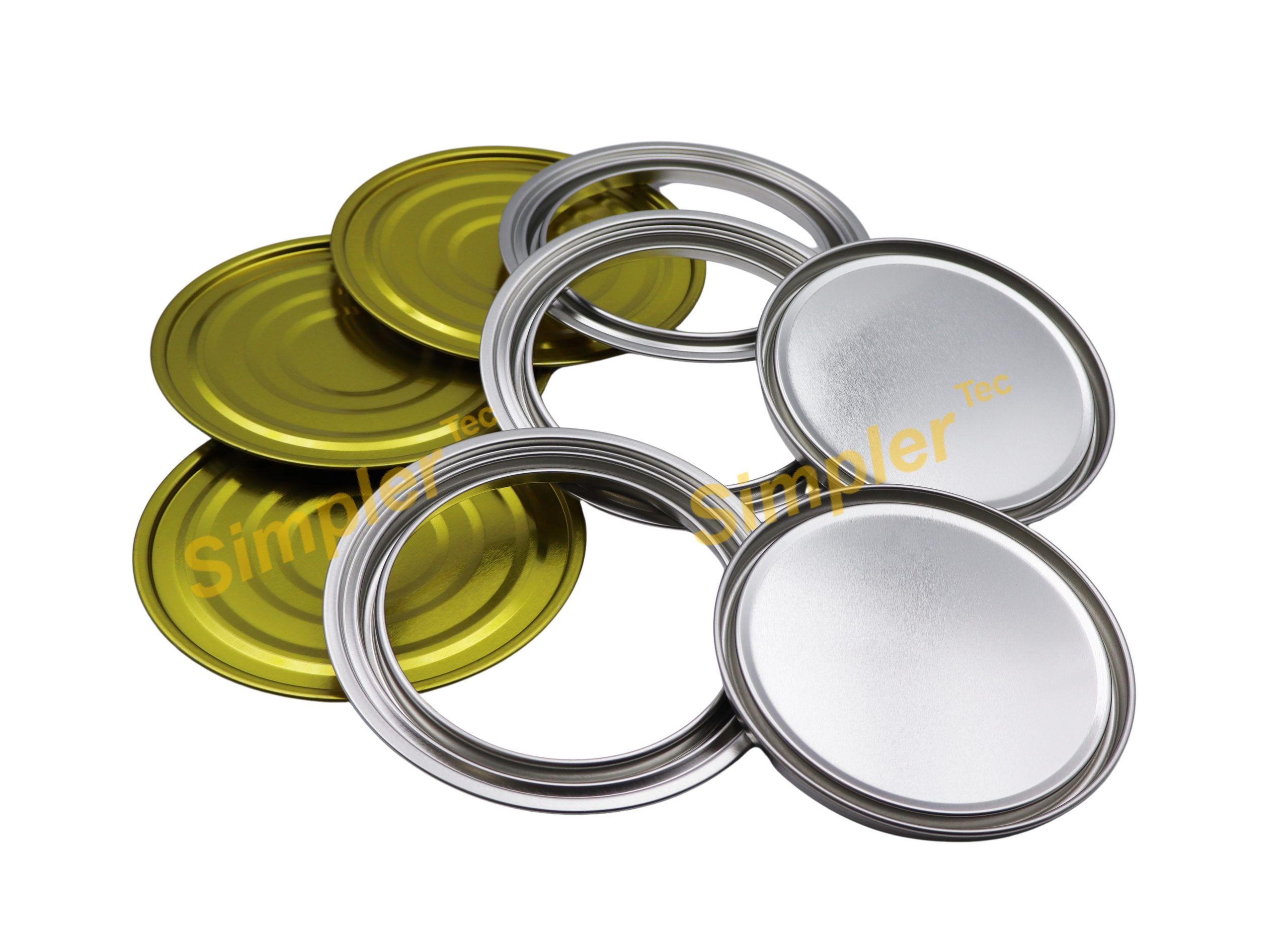
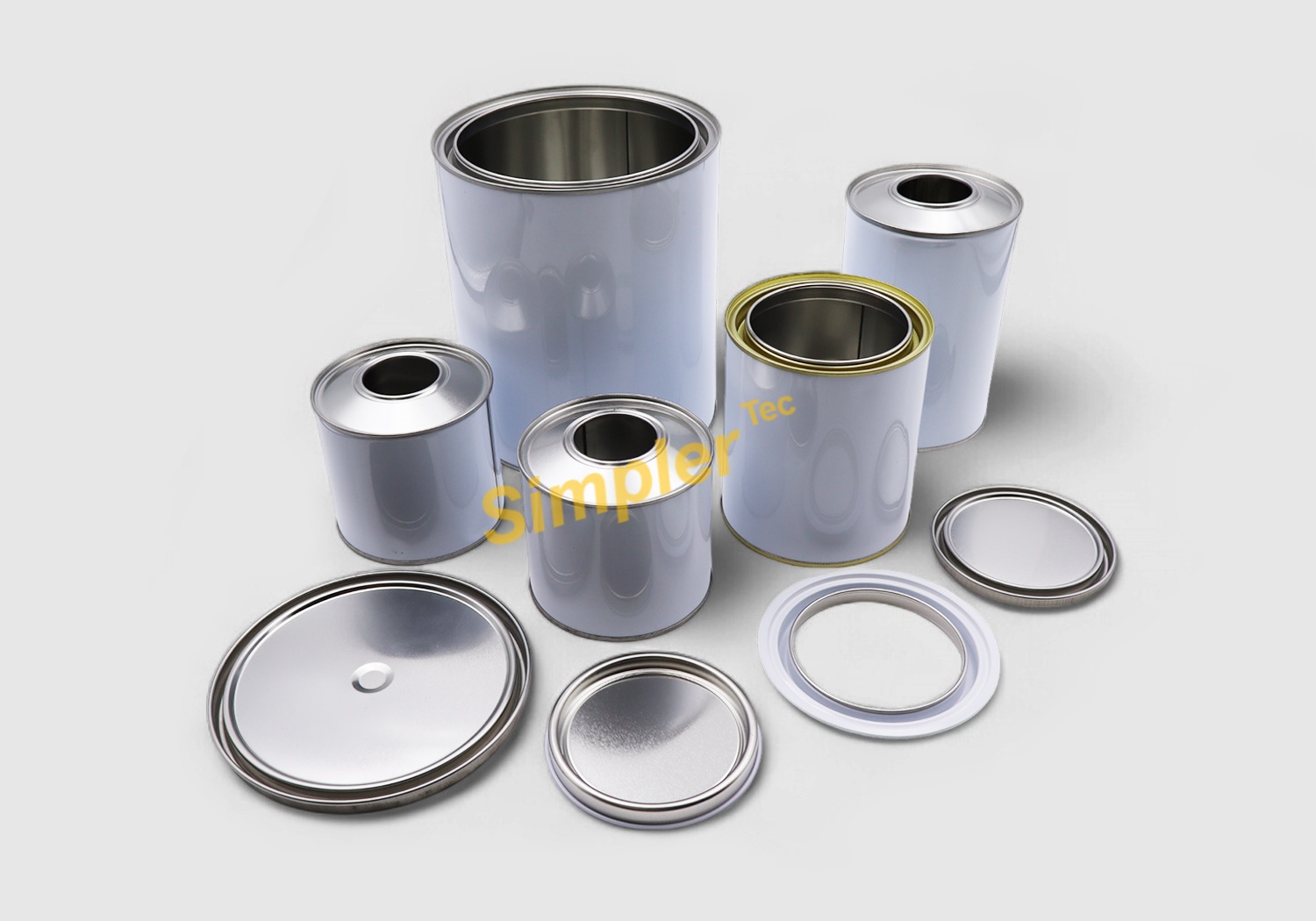
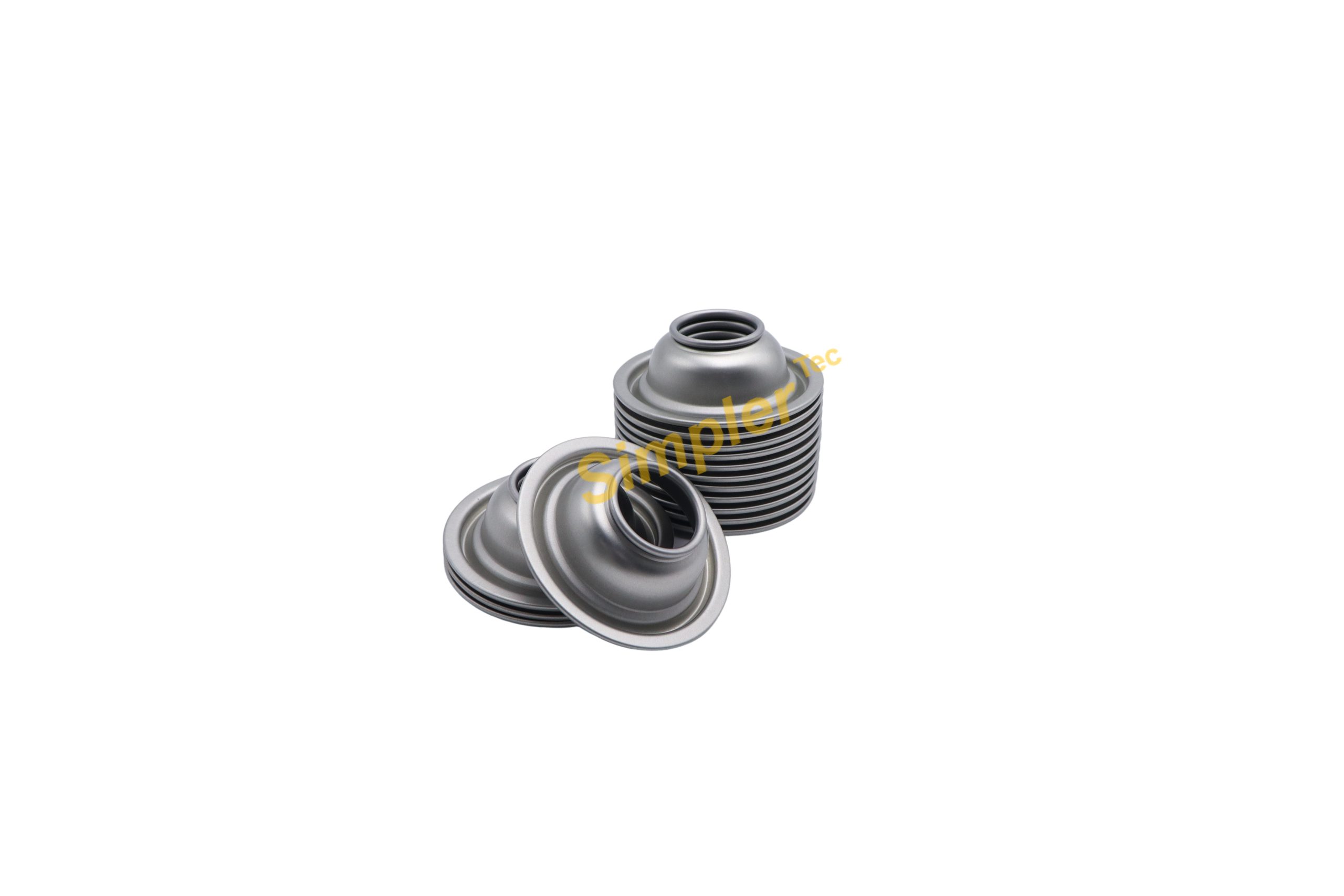
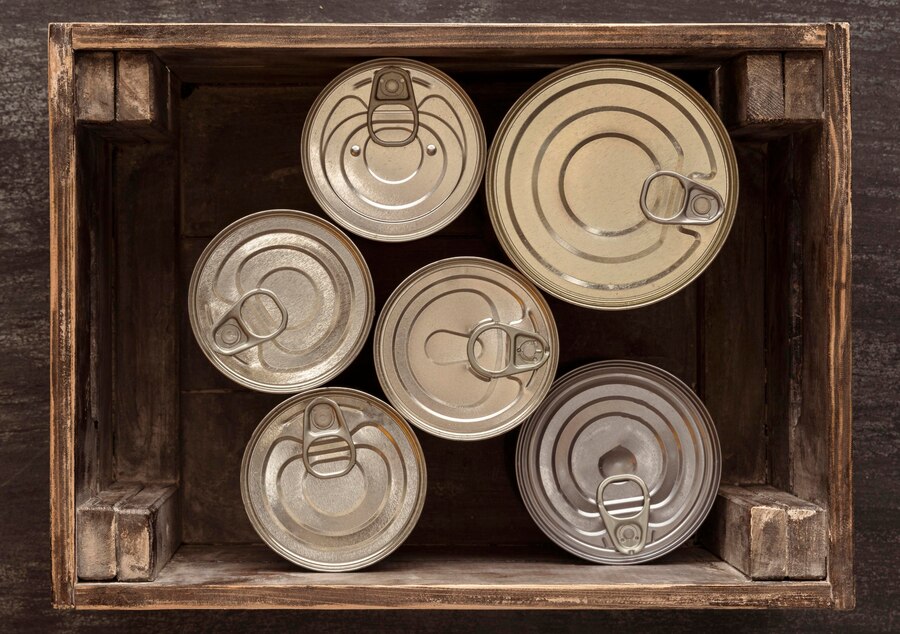
A Canned Food Lid Cover is more than a metal lid—it’s the protector that makes everything inside secure. It keeps things fresh, keeps unwanted bacteria out, and makes food products safe to store and transport.
In business, products are manufactured in huge quantities, often warehoused for a year or two. One weak link in that chain, such as a poorly constructed lid, can destroy a thousand cans. A seal is vital. Without it, bacteria and oxygen will find their way inside, ruin food, and be a health hazard.
But why is one lid better than another? It is all about material, fit, and coating. Quality lids are specifically designed to fit the opening of the can. They also have a special food-safe coating on the inside that keeps corrosion and contamination at bay. All of these factors combine to create a firm, tight seal.
Now that we understand just how crucial a proper seal is let’s talk about how the lid actually impacts what is inside the can.
How Quality Impacts Shelf Life and Product Integrity
Every can on every supermarket shelf must remain fresh for months, perhaps years. But only if the seal remains intact. A defective lid cover on a canned food may rust, get weakened, or warp when subjected to pressure. This creates a gap for air, water, or microorganisms to penetrate and spoil the food.
Maybe the most important feature of a lid is its inside coating. The coating is similar to a shield between food and metal. Without it, certain foods, especially acidic ones like tomatoes or fruit, will react with the metal. That reaction will lead to unusual flavor, color, or even metal contamination of food.
Another aspect to be considered is the fit. For automated canning equipment, the lid should fit the can size precisely. When the fit is even a fraction off, the sealing process won’t function properly. This means that the vacuum seals are weak or the cans bulge, both of which are indicators that something’s amiss.
This leads us to a critical question: What are the laws to ensure that lid covers are safe and dependable?
Compliance Isn’t Optional in Commercial Canning
In the food processing industry, safety regulations aren’t a choice—they’re mandatory. A canned food lid cover must meet strict standards set by government bodies. In the United States, that means adherence to FDA standards for food contact materials. For low-acid foods (e.g., beans or meats), there are stricter requirements.
Lid covers must be made of materials that do not interact with food, do not spoil over time, or permit bacteria to pass through. The seals by which the lid is secured to the can are also inspected to make sure that they are tight and airtight.
Businesses also need to demonstrate that their packaging is HACCP (Hazard Analysis and Critical Control Points) compliant and other food safety initiatives. Not doing so can lead to fines, product recalls, or even business shutdowns.
So, it’s not merely a matter of quality—this is a matter of survival. But what happens when businesses do not care about canned food lid cover quality?
The Hidden Risks of Poor Lid Covers
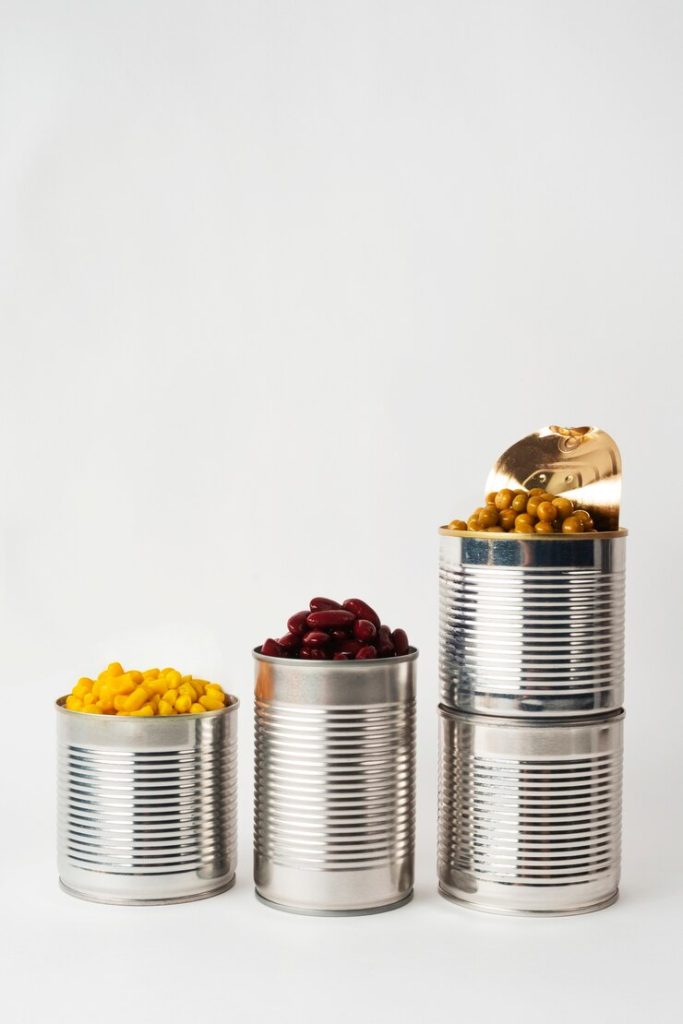
Suppose you’ve filled 100,000 cans of soup and find later that the lid seal on 10% cracked. That’s 10,000 cans you can’t sell—and worse, they might already be on supermarket shelves.
Low-quality canned food lid covers can lead to a number of problems, including:
- Spilling cans
- Bulging eyelids (caused by gas buildup)
- Rust and corrosion
- Contaminated food
- Costly recalls
- Lost consumer confidence
In others, these problems do not manifest themselves immediately. They may not appear weeks or months later after having shipped the product. By then, the damage is already done. Not only is money lost, but a company’s reputation can be irreparably damaged.
How, therefore, do companies avoid these pitfalls? It starts with choosing the appropriate canned food lid cover supplier.
What to Consider When Finding a Commercial Lid Cover Supplier
It’s not just about finding a cheap supplier of canned food lid covers. It’s about value for money, dependability, and safety. Here are some of the things astute buyers want to find:
Precision Manufacturing
Quality covers are made with precise tolerances so that they fit every time.
Food-Safe Coatings
The interior of every lid must be coated with corrosion-resistant materials and FDA-approved materials.
Regular Supply
Is your supplier able to handle large quantities and fast turnaround? Do they ever run out?
Custom Options
Certain operations require certain sizes, finishes, or pull-tab characteristics. Can the supplier deliver that?
Track Record in Food Safety
Choose suppliers who understand the food industry, not the packaging industry.
A phenomenal supplier doesn’t just sell you something—they make you a success. And that’s what SimplerTin does.
Why SimplerTin for Your Next Canned Food Lid Cover
SimplerTin is not only a supplier but also a reliable partner you can trust for business-canning requirements. Having a vast background in metal packaging, we know how crucial each and every product is to your success.
That is what distinguishes us:
- FDA-Compliant Materials: All of the canned food lid covers that we offer are constructed with safety in mind first, incorporating food-approved materials and coatings.
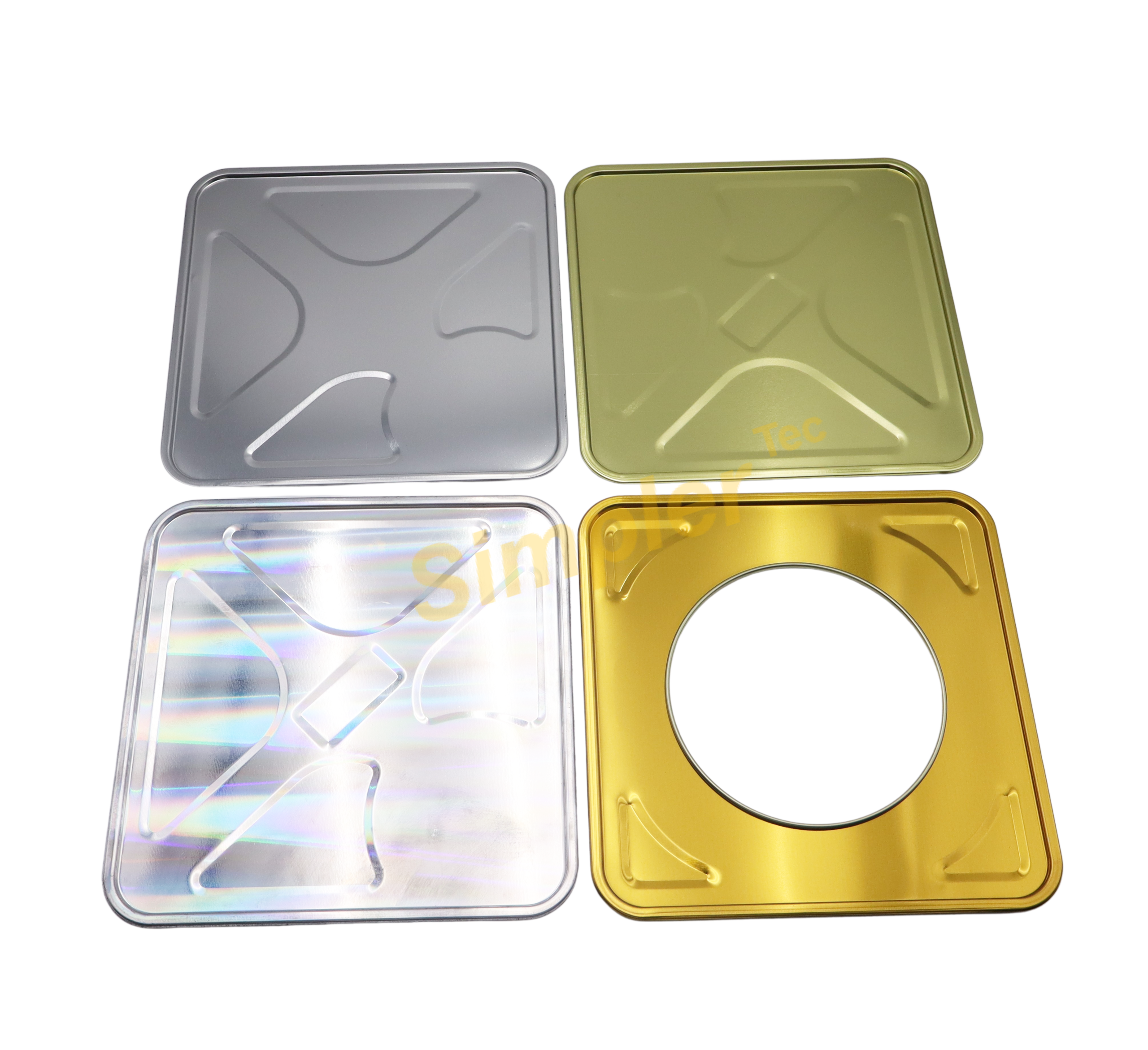
- Custom Sizes and Options: Require something special? We have a variety of lid styles and sizes to accommodate your production requirements.
- Quick Turnaround and Low Minimums: Whether you’re a startup or a high-volume producer, we make it easy to have just what you need when you need it.
- Trusted by the Professionals: We are trusted by our North American food manufacturing customers for consistency and quality.
We believe that the lid should never be the weakest link in your company. And it won’t, with SimplerTin.
Conclusion
When everything is going smoothly, it’s simple to forget how much a small detail can matter. However, in commercial food canning, small errors bring huge consequences. A sloppy lid not only ruins your food—it ruins your entire business.
By investing in high-quality, well-designed canned food lid covers, businesses safeguard their products, comply with regulations, and gain the trust of consumers. Don’t take a chance. Partner with a supplier who understands what counts.
Ready to take your lids to the next level? Contact SimplerTin today for a quote or sample. We can help you safeguard your product, starting at the top.
FAQs: Canned Food Lid Covers
1. What is a canned food lid cover?
A lid cover of a canned food is the top cover of a food can that seals the contents inside. It is used to keep the food fresh, safe, and contamination-free.
2. Why is lid quality important in commercial canning?
Quality of lid affects regulatory compliance, food safety, and shelf life. Substandard lids have the potential to result in leakage, product spoilage, and even recalls.
3. In what way does a lid cover influence shelf life?
An airtight, tightly fitting cover prevents air and bacteria from entering the can. This preserves food for months or years.
4. Are lid covers on canned food regulated?
Yes. They are required to adhere to FDA regulations in the United States and are also subject to other food safety regulations like HACCP and FSMA.
5. What are good-quality lid covers made from materials?
They are usually constructed of tinplate or aluminum with a food-grade interior coating that is corrosion- and rust-proof.
6. What is wrong with inferior lid covers?
They can leak, corrode or not seal properly. This will contaminate food, ruin your reputation and result in expensive recalls.
7. How can I determine if a lid is of good quality?
Search for smooth joints, tight fit, and corrosion-resistant finish. Reliable suppliers also provide certificates and food safety certifications.
8. Can lid covers be customized?
Yes. We at SimplerTin offer various sizes, finishes, and special finishes like pull-tabs or printing according to your product specifications.
9. Must all canned foods be sealed with the same kind of lid?
No. Various foods utilize various lid materials and constructions, particularly where acidic or high-pressure materials are concerned.
10. Why SimplerTin for canned food lid covers?
We offer food-grade, safe lids with fast shipping and customization. Our lids are far superior to industry standards and are used by food processors throughout the world.