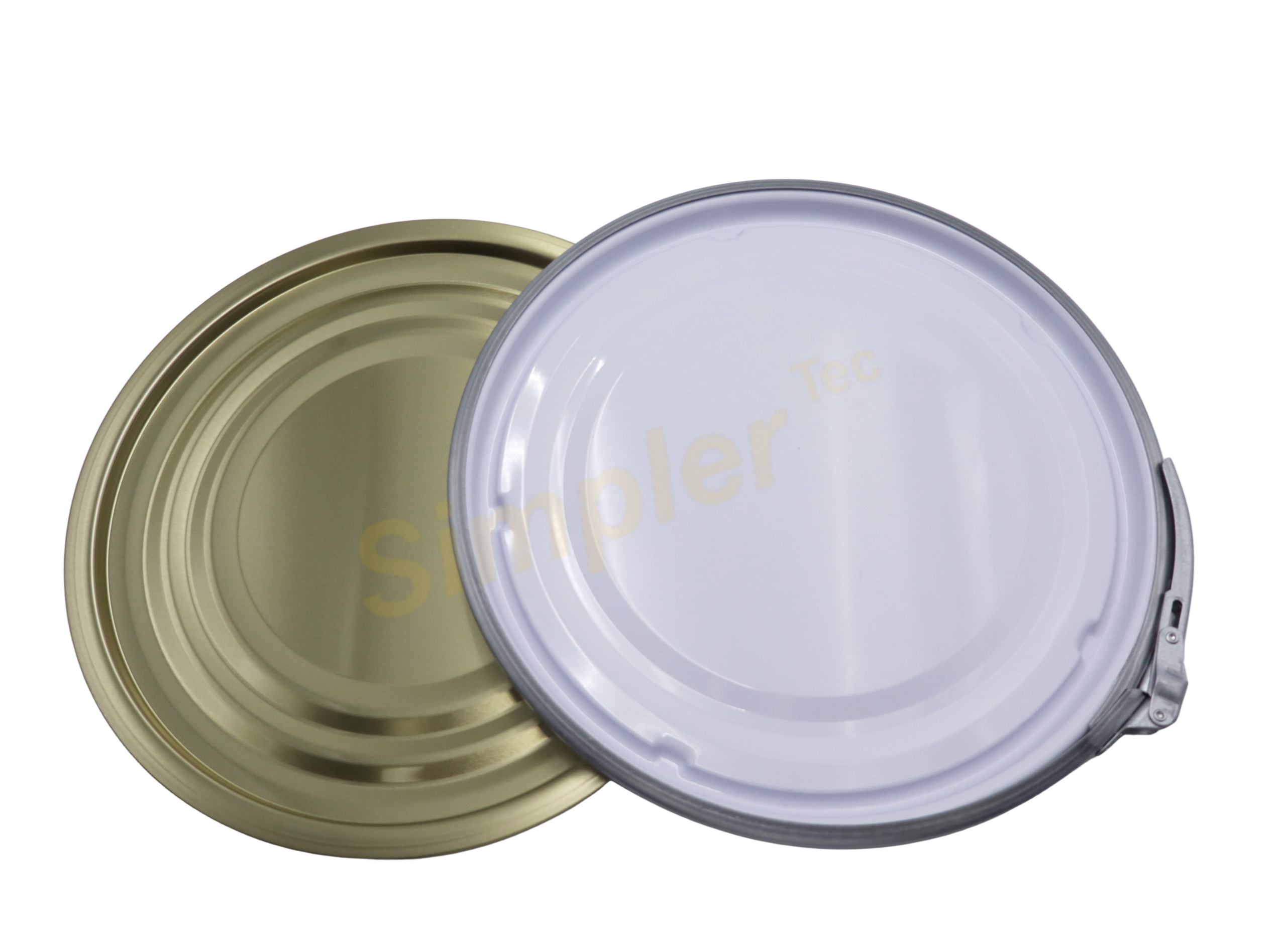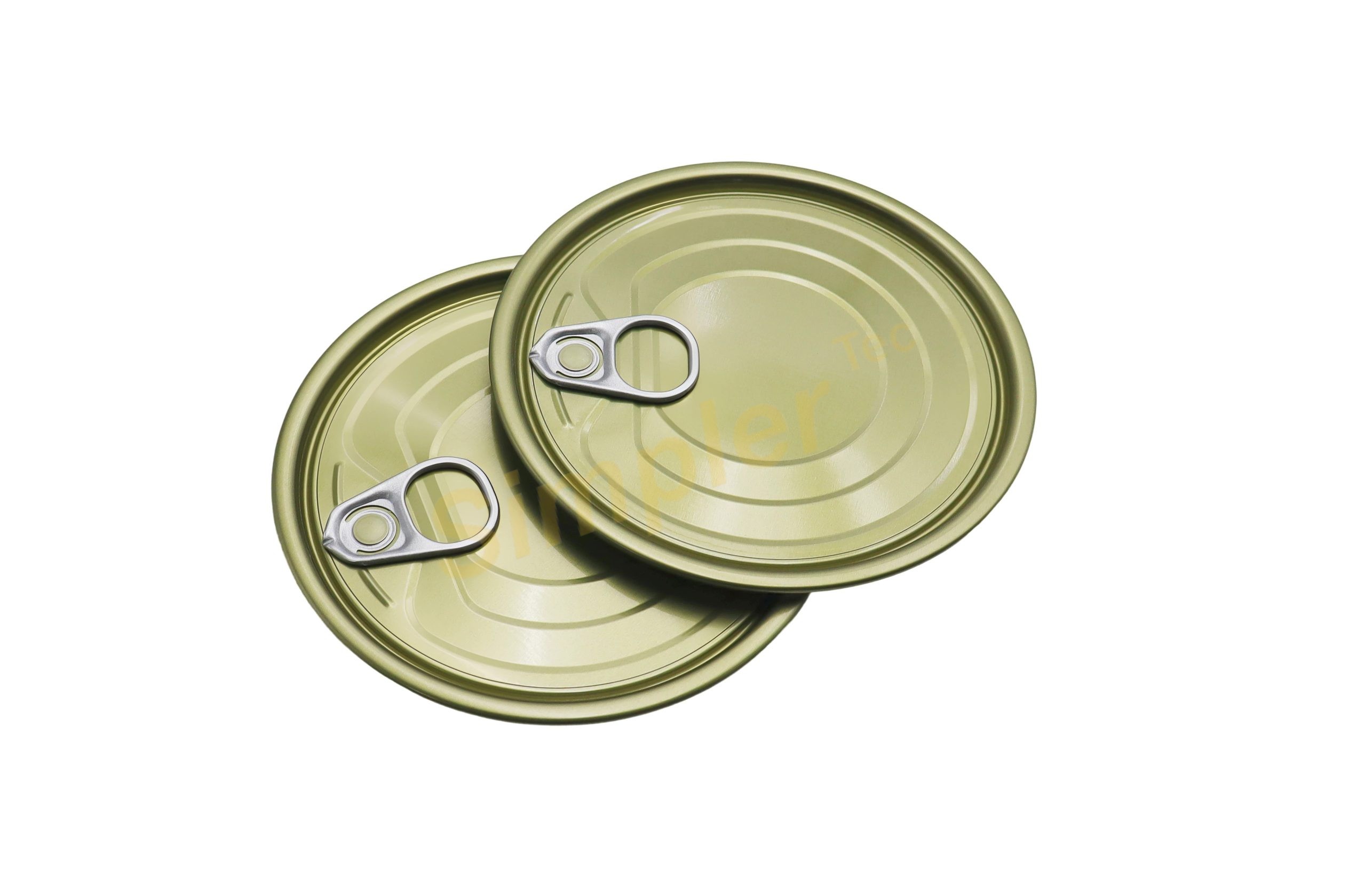

When packaging for storage or transportation of paint, chemicals, or industrial materials, it needs to be every bit as tough as the product that’s inside. That is why many businesses rely on metal pails, and at the heart of those containers is the latch ring pail bottom. You may not notice it at first, but this bottom piece plays a big part in keeping everything safe, sealed, and stable.
In this blog, we will break down exactly what a latch ring pail bottom is, how it’s designed, what materials go into making it, and where it’s most often used. Whether you are a product manager, buyer, or just exploring packaging options, this guide will walk you through how the right pail bottom can make a real difference.
First, let’s understand what this part actually does, and why it matters more than you might think.
What is a latch ring pail bottom, and why does it matter?
For industrial packaging, strength, safety, and reliability are never to be compromised. That’s where the latch ring pail bottom comes in. This part may seem simple, but it plays a big role in keeping content secure, especially in tough environments.
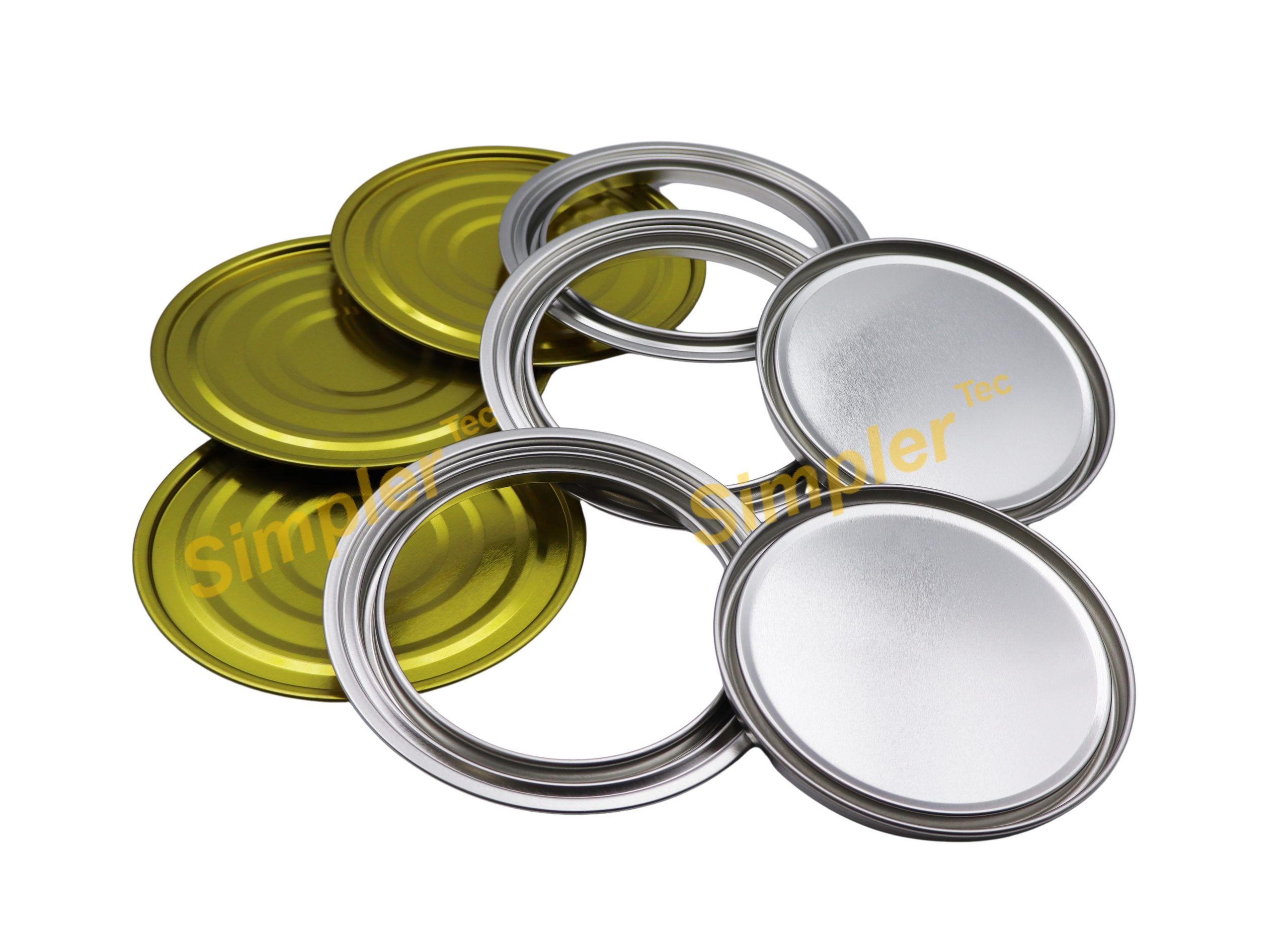
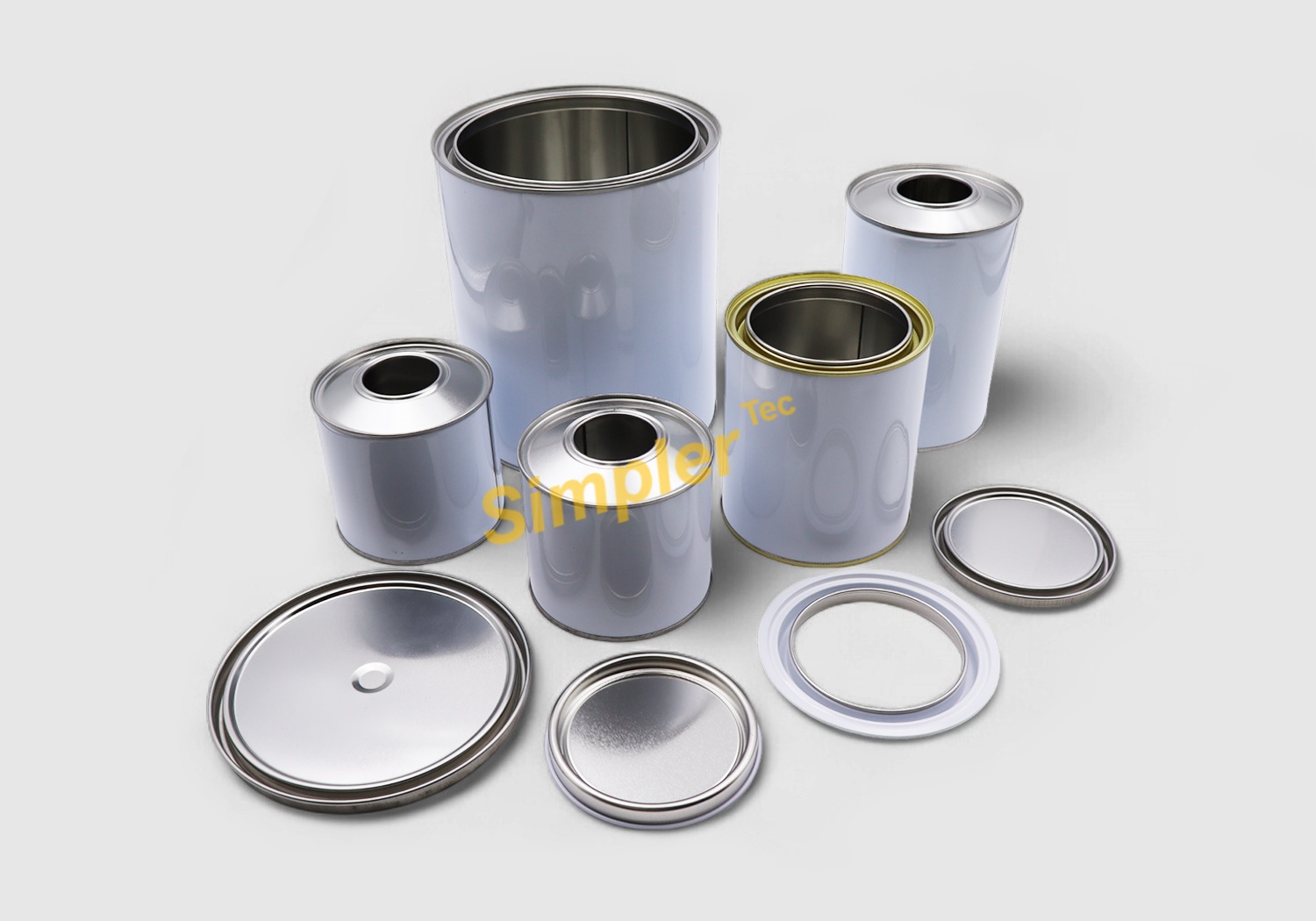
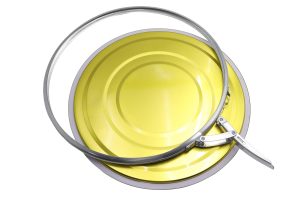
A latch ring pail bottom is the bottom of a round, open-head metal pail, which is common in industries like paint, chemicals, construction, and food. The latch ring design means the lid is not welded but held in place by a metal ring that can snap on tightly. That allows easy opening and resealing while keeping contents airtight.
The bottom of the pail? That’s where the real strength is: supporting the weight, resisting pressure, helping avoid leaks. For a latch ring pail bottom, this means using the correct materials and coating for the application at hand.
So what makes one latch ring pail bottom better than another? Let’s explore the design features that can make a big difference.
Design Features of Latch Ring Pail Bottoms
While seemingly simple in nature, the latch ring pail bottom has a number of designs targeting different needs that it serves. From a detailed level in the edges to reinforcements within its structure, design plays a vital role in ensuring high performance under stress.
Most latch ring pail bottoms come in standard sizes, such as 272mm. This fits pails with volumes ranging between 5L and 20L. These are used across many industries and need to handle everything from liquids to powders.
Some pail bottoms have a ribbed pattern that adds strength and enables the pail to keep its shape under pressure. Others have a plain design, smooth, and are often used where a cleaner appearance is needed or for specific labeling and coating.
Sealing is also an important feature. You may come across terms like 5-times sealing or 7-times sealing; those refer to how many times the edge of the bottom is curled and sealed into the pail body. More sealing generally translates into better leak protection and longer shelf life for the contents.
So, how do you know which type is right for your needs? That depends on the use intended.
Ribbed or Plain: Which One Should You Choose?
When packaging heavy or pressurized materials, a ribbed latch ring pail bottom is usually the best choice; the added structure helps it hold up better under weight. When used in general applications, such as storing dry powders or low-risk liquids, a plain bottom will do the job and may provide some cost savings over others.
Next, let’s take a closer look at the makeup of these pail bottoms and why the material is so important.
Materials Used in Latch Ring Pail Bottoms
Everything from strength and weight to how well it resists corrosion or reacts with the contents is affected by the material of the latch ring pail bottom.
There are three common types of metal sheets used in the manufacturing of latch ring pail bottoms at SimplerTin:
- Electrolytic Tinplate (ETP)
- Tin Free Steel (TFS)
- Galvanized Sheet Metal
Each option has its strengths, and the choice will depend on what the pail is used for.
ETP is coated with a thin layer of tin, which gives it strong corrosion resistance. It also has a clean, shining look, ideal for paints and other sensitive materials.
Tin-Free Steel (TFS) has a chromium-based coating instead of tin. It is tougher and less costly than ETP, but not quite as corrosion-resistant. TFS is often used in industrial settings where the contents are not highly reactive.
Galvanized Sheet Metal is coated with zinc. This provides the pail bottom with especially good rust protection in outdoor or humid environments.
Matching Material to Your Application
Consider what you are placing in the pail and where it will go when selecting a latch ring pail bottom. For example, if your product is moisture-sensitive, go with ETP or galvanized. If you store chemicals that are not corrosive, perhaps TFS will be the better deal.
Of course, material is only part of the story. What about how the pail’s bottom is finished? That brings us to coatings and colors.
Coatings and Finishes: Much More Than Appearance
More than just improving appearance, the coating on a latch ring pail bottom protects the metal, prevents contamination, and helps ensure safety and compliance.
There are interior and exterior coatings to consider.
Coatings used inside the pail bottom include epoxy resin, polyester, polyurethane, and acrylic resin. All these help prevent the contents from reacting with the metal. For food-grade or water-based products, coatings made of polyester are preferred as they are BPA-free and safer.
Color options include white, gold, buff, grey, or clear lacquer on the outside. You can also use custom printing to add branding or instructions right onto the bottom or side of the pail.
BPA-Free Options for Safety and Compliance
BPA, or Bisphenol-A, refers to the chemical found in some epoxy coatings. Though it’s still used for some industrial containers, many businesses are moving towards BPA-free solutions, especially for food and eco-friendly products.
That’s the very reason why polyester resin coatings are getting more popular. They are durable, non-toxic, and meet international packaging standards.
Now that we have described how the latch ring pail bottoms are manufactured and finished, let’s take a look at where and how they are used in real life.
Typical Uses for Latch Ring Pail Bottoms
Latch ring pail bottom certainly plays its significant part in a number of industries. The strength and sealing ability of the pail make it a reliable choice for packaging materials that need to stay secure, clean, and easy to handle.
These pail bottoms are found in containers used for:
- Paints and coatings
- Industrial chemicals
- Food-grade liquids and powders
- Adhesives and sealants
- Construction and agricultural products
Open-head pails are particularly useful when the content needs frequent access, stirring, or measurement in parts. The latch ring closure allows this, while the bottom will keep everything stable and leak-free.
Industries That Rely on Latch Ring Pail Bottoms
Think of a large factory using gallons of paint each day or a farm storing powdered nutrients in bulk. They require packaging that withstands rough handling, stacking, and long-term storage.
That is the reason why latch ring pail bottoms are indispensable for any business that respects strength, safety, and easy handling.
But it isn’t just about choosing the right product; it’s about choosing the right supplier, too. So let’s look at what makes SimplerTin a trusted partner.
Why Choose SimplerTin for Your Latch Ring Pail Bottoms?
Having spent many years in the metal packaging industry, SimplerTin knows exactly what matters to a buyer. The quality control and customer service are all designed with your needs in mind.
Here’s why more businesses are choosing SimplerTin:
- Custom sizes available to match your pail dimensions
- Flexible designs are available, including plain or ribbed patterns.
- Material selection based on your product and storage needs
- High-quality sealing using a water-based compound
- Interior and exterior coating options, with BPA-free choices
- Fast turnaround and international shipping
From bulk orders to new product development, SimplerTin provides the reliability and support you need to succeed.
Final Words
The right latch ring pail bottom may seem like a small piece of your supply chain, but it’s one with a big impact. It protects your product, supports your brand, and keeps your operations running smoothly.
If you are looking for custom options, strong materials, and a supplier you can rely on, now is the time to connect with our team.
Have questions or need a quote? Get in touch with us today, and let’s build packaging that works for your business.
FAQs
What is a latch ring pail bottom used for?
It seals and supports open-head metal pails used in liquids, powders, or industrial material storage.
What are the available sizes?
Common sizes include 270mm and 272mm, suitable for 5L to 20L pails.
What materials are used?
Commonly used are ETP-Electronic Tinplate, TFS -Tin-Free Steel, and Galvanized steel.
Can I customize the design?
Yes, you can choose the color of coating, rib or plain surface, style of sealing, and even printed finishes.
Is BPA-free coating available?
Yes, polyester coatings offer BPA-free protection and are well-suited for food-grade or eco-friendly uses.