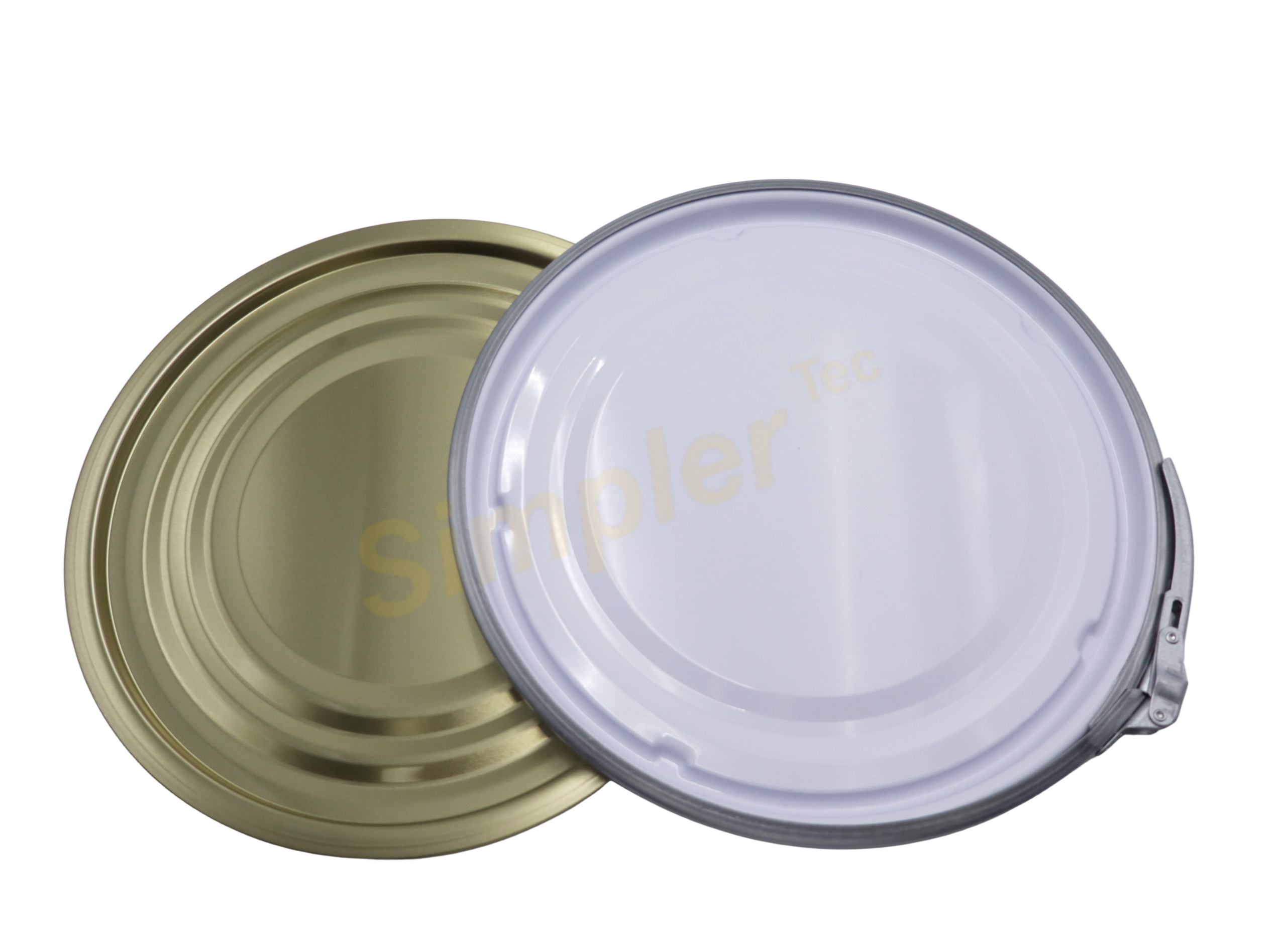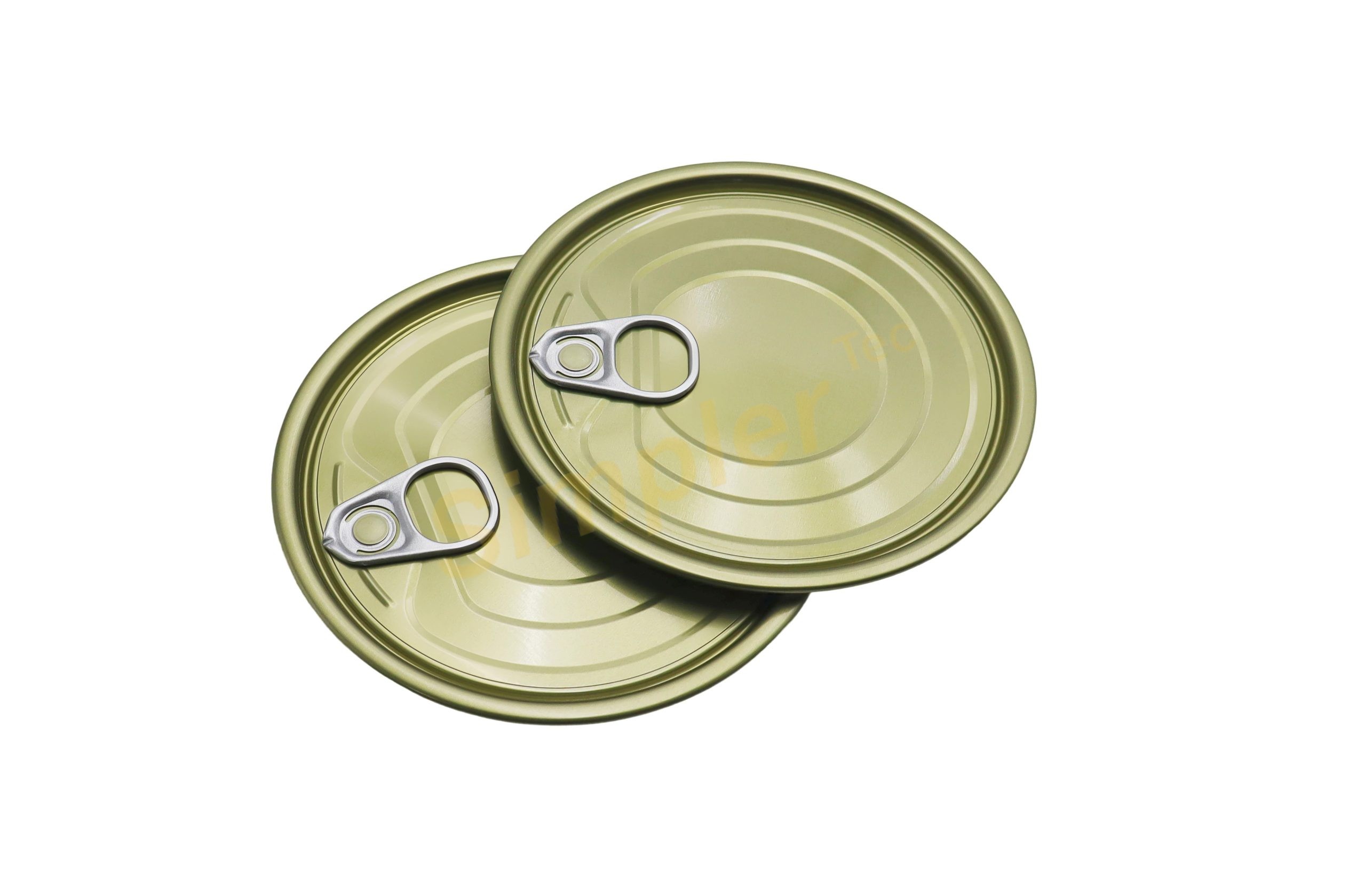

When you’re encapsulating industrial products such as paint, finishes, and adhesives in a package, the lid of your can is important than you may have imagined. Making the decision between unlined and epoxylined round tin can lids isn’t a question of money. It’s a question of protection, performance, and maintaining your product in pristine condition for as long as possible.
But how are these two styles of lids truly distinct? How do you select the correct one for your product? It’s time to look at all the things you need to know so that you’re able to make the most informed choices for your purposes when it comes to your packaging.
What are Unlined Round Tin Can Lids?
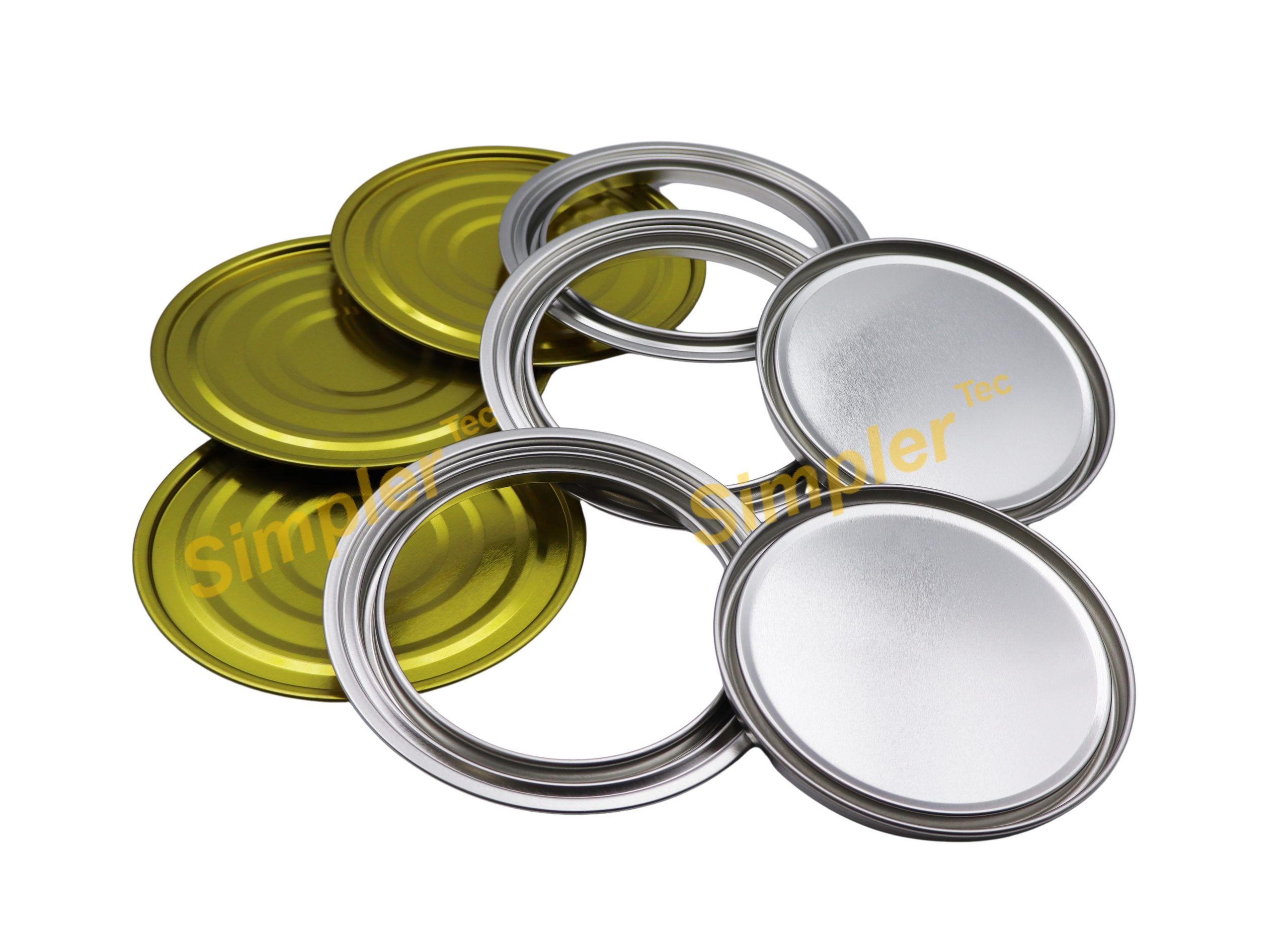
Round tinned can lids are available in varied shapes, and unlined lids are also the most popular in the market. They consist of a plain metal interior without a particular lining or finish inside. Unlined lids are typically manufactured using compounds such as Electrolytic Tinplate (ETP), Tin-Free Steel (TFS), or even galvanized steel.
Where are Unlined Lids most commonly used?
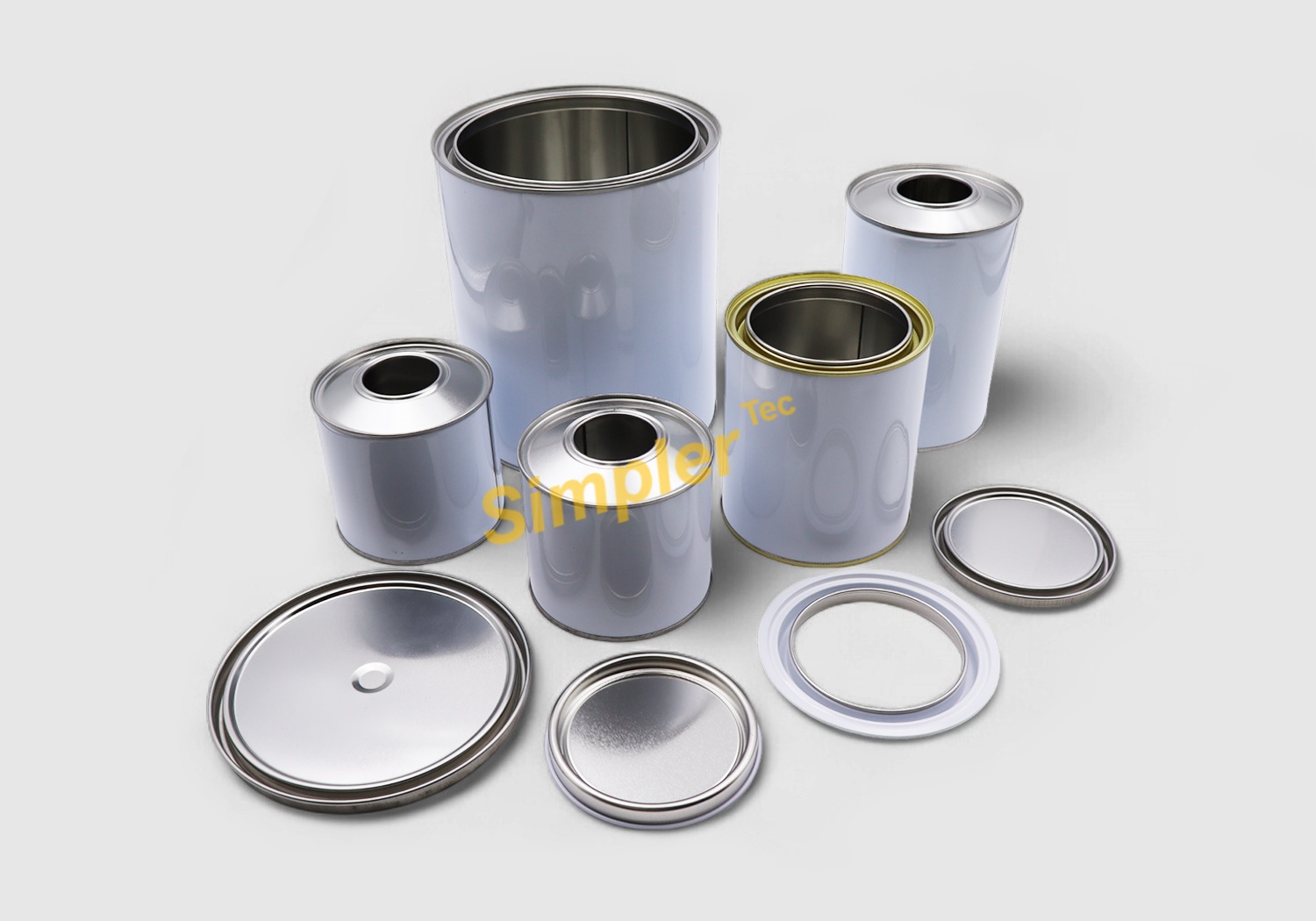
Unlined lids are a good idea when your material will not respond to metal. That is why they are frequently employed for oil-based paint, industrial solvents, sealants, or adhesives. Most of the old paint cans that are stocked by hardware stores have unlined lids, particularly for solvent or oil-based products.
Why Keep a Unlined Lid?
There are several reasons why manufacturers continue to choose unlined round tin can lids:
- They are cheaper in most instances.
- Non-reactive or oil-based substances are usable when using these.
- These are also quicker to recycle because no interior finish has been applied.
- They have a long history of experience in industrial packaging.
However, unlined lids are far from great for all products. If your formula is in the water or slightly acidic end of the pH spectrum, the metal lining will corrode over time. This may lead to the development of rusty conditions inside the package that harm the end-product and occasionally its look or quality.
What do you do when your package needs a little bit of added security? Well, that’s where the second style lid comes in.
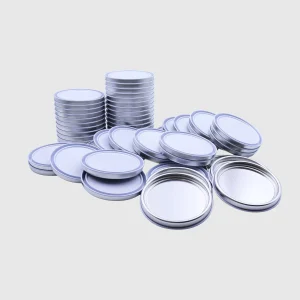
Understanding the Epoxy-Lined Round Tin Can
In the way that manufactured goods have developed over time, so has the demand for greater protective packaging. That’s where epoxy-lined round tin can lids enter the equation. There’s a unique coating that’s applied inside these lids that acts to produce a buffer between the metal and the contents.
What Is An Epoxy Lining?
An epoxy lining is a thin coat of resin that is sprayed or baked inside the lid. The coat keeps the contents and the can from reacting chemically. A stronger epoxy-phenolic lining is employed in higher-stress conditions. This model has greater chemical and moisture resistance and is suitable for some water-based or latex paints.
Why Is Epoxy Lining Vital
If your commodity is wet or has some active ingredients that are susceptible to corrosion, your lid has to be epoxy-lined. If it is not epoxy-lined, your can will rust and your commodity will corrode or become unsafe for the end-user.
The following are the advantages of epoxy-coated round tin can lids:
- Prevents corrosion to water-based and latex products
- Extends shelf life for sensitive specimens
- Keeps the product consistent and color
- Guarantees compliance with the regulations of most nations’ packaging
This type of protection guarantees your customers a greater experience, and your brand’s image is safe. However, epoxy liners are costly to create, so this type is selected in most cases only when it’s required.
Now that we have gone over both styles of lids, you are perhaps curious about which style fits your product the best. How about a comparison side by side so that you are better informed?.
Comparing the Two Types of Round Tin Can Lids: Which One Fits Your Product Best?
A decision between epoxy-coated and plain, uncoated round tin can lids may not necessarily be a black or white situation. Both have advantages and disadvantages, and your choice will depend on your ingredients in the product and where the item will be stored.
Key Differences to Consider
| Feature | Unlined Lids | Epoxy-Lined Lids |
| Best for | Oil-based paints, solvents | Water-based paints, latex, powders |
| Corrosion resistance | Low to moderate | High |
| Shelf life protection | Standard | Extended |
| Cost | Lower | Higher |
| Recyclability | Higher | Slightly lower due to coating |
Product-by-Product Recommendations
- Solvent-based paints: Unlined covers are safe and secure in most cases.
- Water or latex paints: Lined lids protect the contents and are also resistant to rust.
- Sealants or adhesives: It will depend on the composition. Water-based products may need lined lids.
- Thinners and industrial chemicals: Most solvent-based chemicals are safe for unlined lids.
The bottom line? If your ingredient will chemically react with a metal or contains water, epoxy-lined lids are the safe way to go. If it doesn’t, unlined lids are less expensive and better for the environment.
A bit uncertain about what your product needs? That’s where the Simpler Tec fits in.
How Simpler Tec Helps You Customize Round Tin Can Lids for Every Industry
Choosing the right type of lid is just the first step. The second point of consideration is making sure the lid will perform for the remainder of your package and that it meets specifications for your specific industry.
It’s a snap when you have the pleasure of doing business with Simpler Tec.
Options for Tailor-Made that Fit your Product
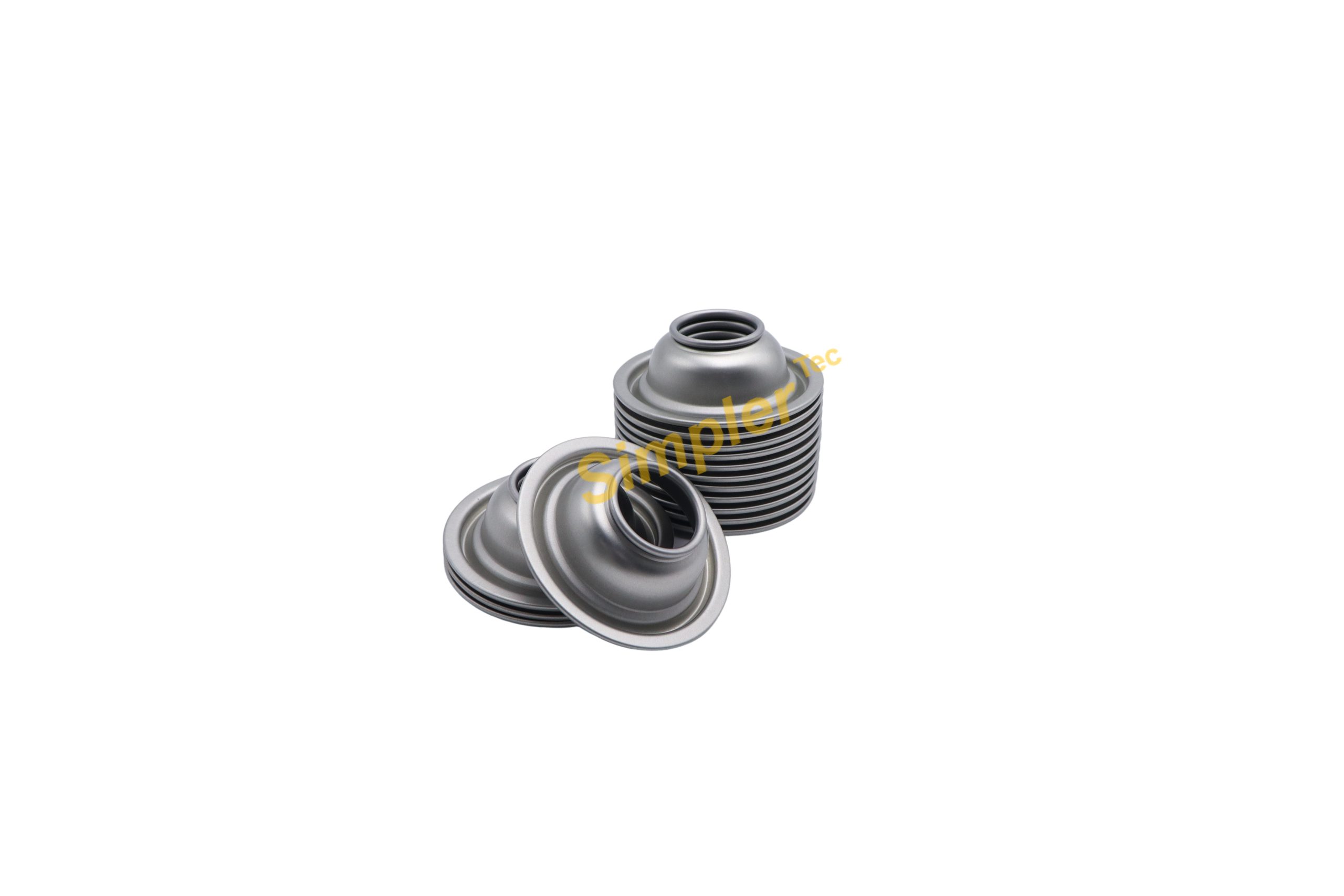
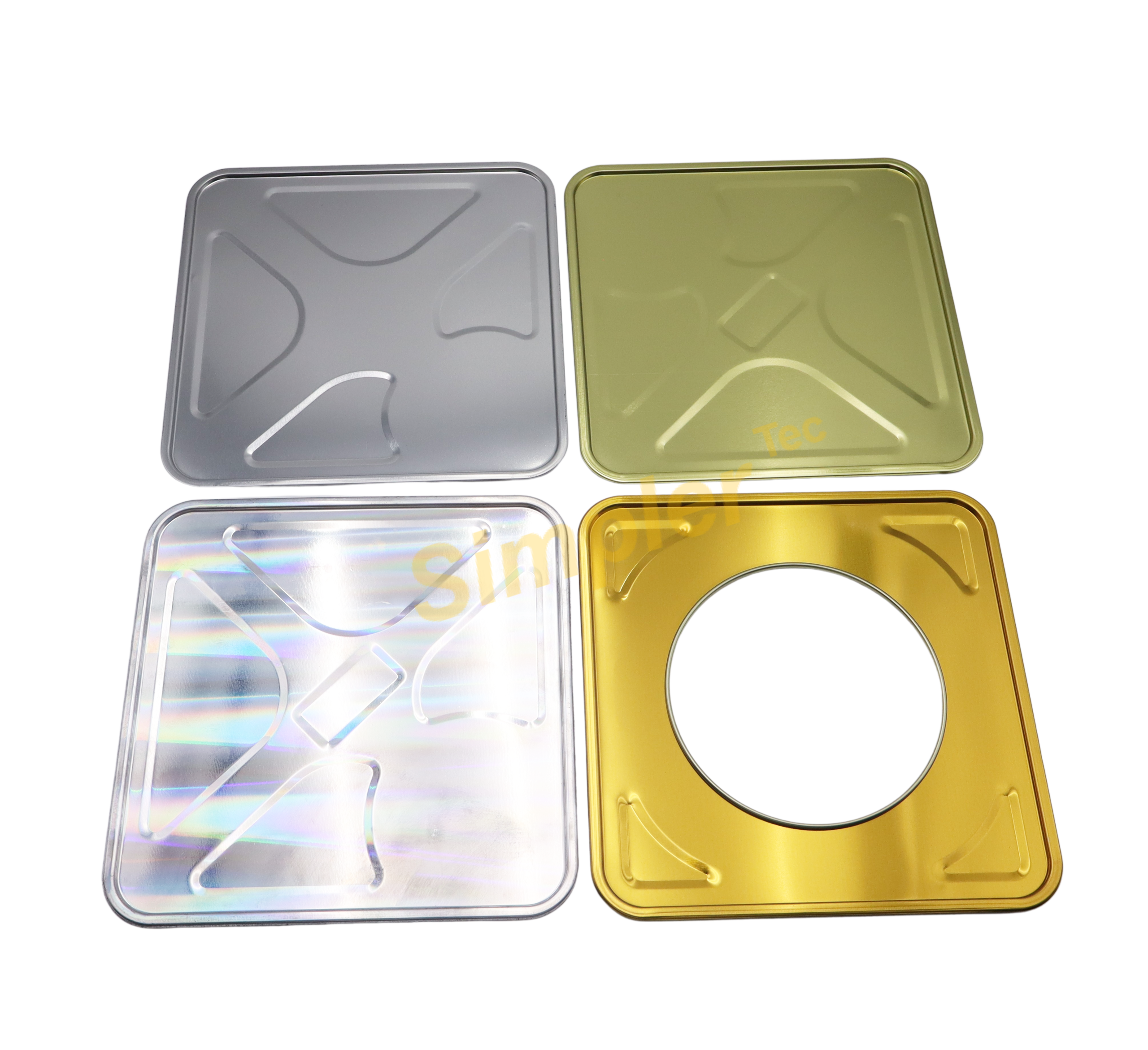
Simpler Tec has plenty of options so that your round tin can lids are exactly what you need. The following are a few of the key means by which they help:
- Material Options: Select from Tin-Free Steel (TFS), galvanized steel, or Electrolytic Tinplate (ETP).
- Interior Options: Choose from unlined, epoxy, or epoxy-phenolic lined interiors.
- Color Optioning: White porcelain and most lacquer colors are offered, along with the option for customized branding.
- Ring Designs: Coloured rings and sealer compounds of any type guarantee a watertight joint.
- Bottom Styles: Select ribbed or plain pail bottoms, or whatever your stackability and storage needs dictate.
Why the Right-Lid Is Essential
The lid is more than a cover. It safeguards your item, determines how long it will last, and even impacts how easy it is for customers to utilize. With the help of Simpler Tec, you have access to expert opinion on how to align the lid to your item’s chemical composition and storage needs.
This makes your end product and your production operations more uniform. This also reduces customer dissatisfaction and loss from damaged or spoiled products.
What are you here to learn from all this?
Final Thoughts
Whether you’re sealing paint, adhesives, or powders, the type of lid you opt for will make all the difference. Unlined round tin cans are a good choice for old-fashioned, oil-based, or non-reactive formulas. They are inexpensive and are readily recyclable. But for water or sensitive products, epoxy-lined lids are the protection you want to keep your product in top shape.
A bit uncertain yet? That’s perfectly understandable. There’s so much to take into consideration – the nature of the contents, all the way to the shelf life the product has to endure. That’s why Simpler Tec supplies are manufactured, but also genuine solutions and suggestions.
Possible to Choose the Right Lid? If you find yourself stuck between unlined or epoxy-lined round tin can covers, do not worry, because our team at Simpler Tec is here for you. We will walk you through your options, show you samples, and even design a unique solution that fits your requirements. If you’re purchasing thousands of cans or exploring a new installation for your cans’ package, we’d be delighted to receive your correspondence.
Get in touch with us today, and let’s develop packaging that will perform just as diligently as your products do.
Frequently Asked Questions
1. What are the applications of round tin can lids?
Round tin lids are also widely employed for capping cans that transport paints, coatings, adhesives, solvents, and even powders. They are specifically developed for locking the contents inside, preventing leakage, and safeguarding the commodity from exposure to the air, moisture, or contamination.
2. What is the key difference between unlined and epoxylined lids?
Unlined lids are non-coated inside and are ideal for oil or solvent recipes. Epoxy-lined lids are coated for corrosion protection and are suitable for highly reactive or water recipes.
3. Do epoxy linings influence recyclability?
While epoxy linings are a layer of material, they’re not lids that cannot be recycled. But unlined lids are slightly easier to recycle because they’re a single piece of metal.
4. How can the lids be customized for my brand?
Yes. Simple Tin provides unlimited customization, such as interior finish, lid and ring color, material, and bottom style. This enables you to tailor your packaging to your brand and product requirements.
5. How shall I recognize a lid that will be suitable for my product?
It depends on your product’s formula. If it’s water-based, go with an epoxy-lined lid. If it’s oil-based or non-reactive, an unlined lid may be fine. Still unsure? Contact Simpler Tec for expert advice.