Choosing the right closure for an industrial container may sound simple, but it plays a big role in safety, cost, and product quality. From chemicals and motor oil to food and household goods, manufacturers must think carefully about how a container is sealed. This is why many buyers compare a metal finger press cap with a plastic one before making a decision. In this article, we will take a clear and fair look at both options and explain why metal finger press cap solutions are often preferred in demanding applications.
Metal finger press cap vs plastic cap: what is the real difference
At first glance, metal and plastic caps may look similar. They both close containers and protect what is inside. But once you look closer, the differences become more important. Material choice affects how a cap performs over time, especially during storage and transport.
A metal finger press cap is usually made from tinplate. Plastic caps are made from different polymers. Each material reacts differently to pressure, heat, and chemicals. So how does this matter in real use?
Strength and shape control
Metal keeps its shape very well. A metal finger press cap is less likely to bend or deform when pressed onto a container. This helps the cap fit tightly every time. Plastic is lighter and flexible, but it can lose shape under pressure or after repeated use. That difference can affect sealing quality.
Sealing feel and repeatability
Manufacturers care about consistency. With a metal finger press cap, the sealing force feels the same across large production runs. Plastic caps can vary more depending on material quality and molding conditions. Over time, this can lead to uneven sealing.
Heat, cold, and rough handling
Metal handles temperature changes better. During shipping, containers may face heat, cold, or stacking pressure. A metal finger press cap stays stable, while plastic may soften or harden depending on conditions. This brings us to the next big question. Which industries care most about these differences?

Why a metal finger press cap often wins on sealing and leak prevention
Leakage is one of the biggest fears for manufacturers. A small leak can damage other products, raise safety concerns, and hurt a brand’s reputation. This is where many buyers lean toward a metal finger press cap.
Sealing performance matters not just on day one, but after weeks or months of storage. So what makes metal stand out?
Why tight sealing matters in storage and shipping
Liquids like oil, solvents, and chemicals need a strong seal. A metal finger press cap presses firmly against the container opening and keeps that pressure over time. This helps prevent slow leaks that may not show up right away.
Oil groove design and leak control
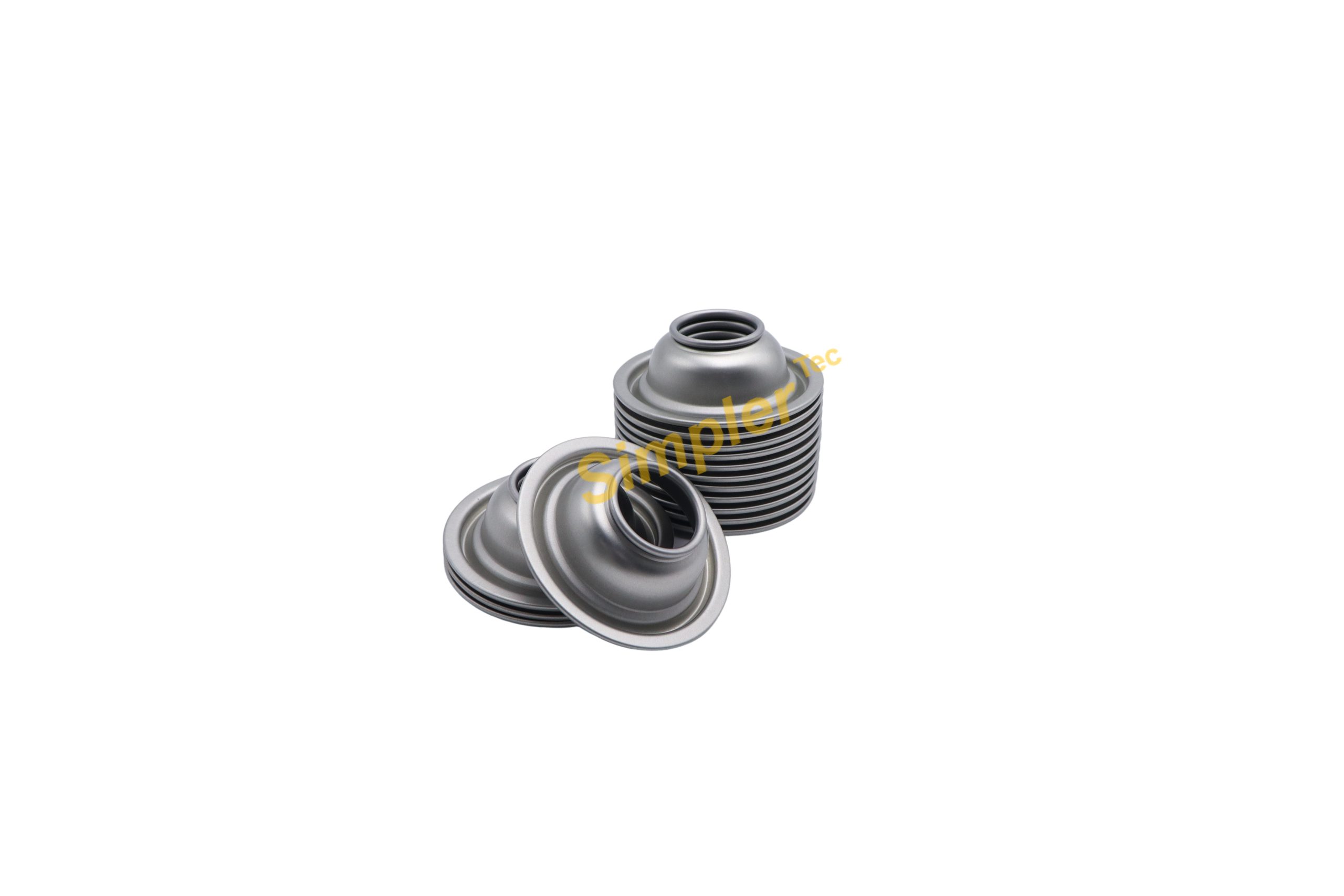
Many metal finger press cap designs include an oil groove structure. This feature helps block liquid from escaping even when the container is tilted or shaken. Plastic caps can also seal well, but they may rely more on liners or softer materials.
Where plastic still works well
To stay fair, plastic caps are not a bad choice for every product. For low risk liquids or short storage times, plastic can work just fine. But when leakage risk is high, many manufacturers ask the next question. Which industries benefit most from metal?

When manufacturers choose metal finger press cap solutions by industry
Different products have different risks. This is why material choice often depends on the industry and use case.
Chemicals and solvents
In the chemical industry, containers may hold aggressive liquids. A metal finger press cap offers strong resistance and stable sealing. This reduces the chance of leaks during long transport routes.
Automotive oils and lubricants
Motor oil and lubricants need secure sealing. A metal finger press cap with an oil groove helps keep containers clean and safe. Many oil brands prefer metal for long term storage and shipping.
Food products
Food containers need both safety and appearance. Metal caps support clean sealing and allow custom printing. Plastic is also common in food, but metal is often chosen when using tinplate cans.
Household goods and pharmaceuticals
Cleaners, disinfectants, and medicines require safety and reliability. A metal finger press cap supports pressure control and stable sealing, which helps protect users and products.
All of this leads to another concern that buyers often raise. What about cost?

Metal finger press cap vs plastic cap cost: looking beyond unit price
Price matters, but smart buyers look beyond the first number. The real cost includes risk, returns, and product loss.
A plastic cap often has a lower unit price. However, a metal finger press cap may reduce hidden costs.
Unit price vs total cost
If a cheaper cap leads to leaks, the savings disappear quickly. A metal finger press cap can lower the chance of damaged goods and customer complaints.
Cost of failure and returns
One leaking container can damage many others in a shipment. This risk is why many manufacturers accept a slightly higher unit price for better sealing.
Choosing based on use and volume
For short shelf life products, plastic may be enough. For large volume exports and long storage, metal often makes more sense. But cost is not the only factor. Safety also plays a key role.
Metal finger press cap safety features and risk control
Safety is not just about the user. It is also about transport workers and storage conditions. A metal finger press cap can include features that help manage pressure and risk.
Pressure control options
Some metal finger press cap designs support safety valves or pressure release systems. This is useful for chemicals and liquids that build pressure.
Transport and storage concerns
Metal caps stay stable during stacking and movement. Plastic may crack or loosen under stress. This difference becomes clear during long distance shipping.
What buyers should check
Manufacturers should ask about testing, thickness options, and compatibility. This leads naturally to the next topic. How do you choose the right specification?
How to choose the right metal finger press cap for your container
Choosing the right cap is about matching it to the container and the product inside.
Sizes and fit
Common sizes like 32mm, 42mm, and 60mm cover many needs. A metal finger press cap must fit the container opening precisely to seal well.
Thickness and strength
Tinplate thickness such as 0.32mm or 0.35mm affects strength. Thicker caps offer more durability for demanding uses.
Printing and appearance
Metal supports clear and durable printing. This helps with branding and product identification.
Matching caps with containers
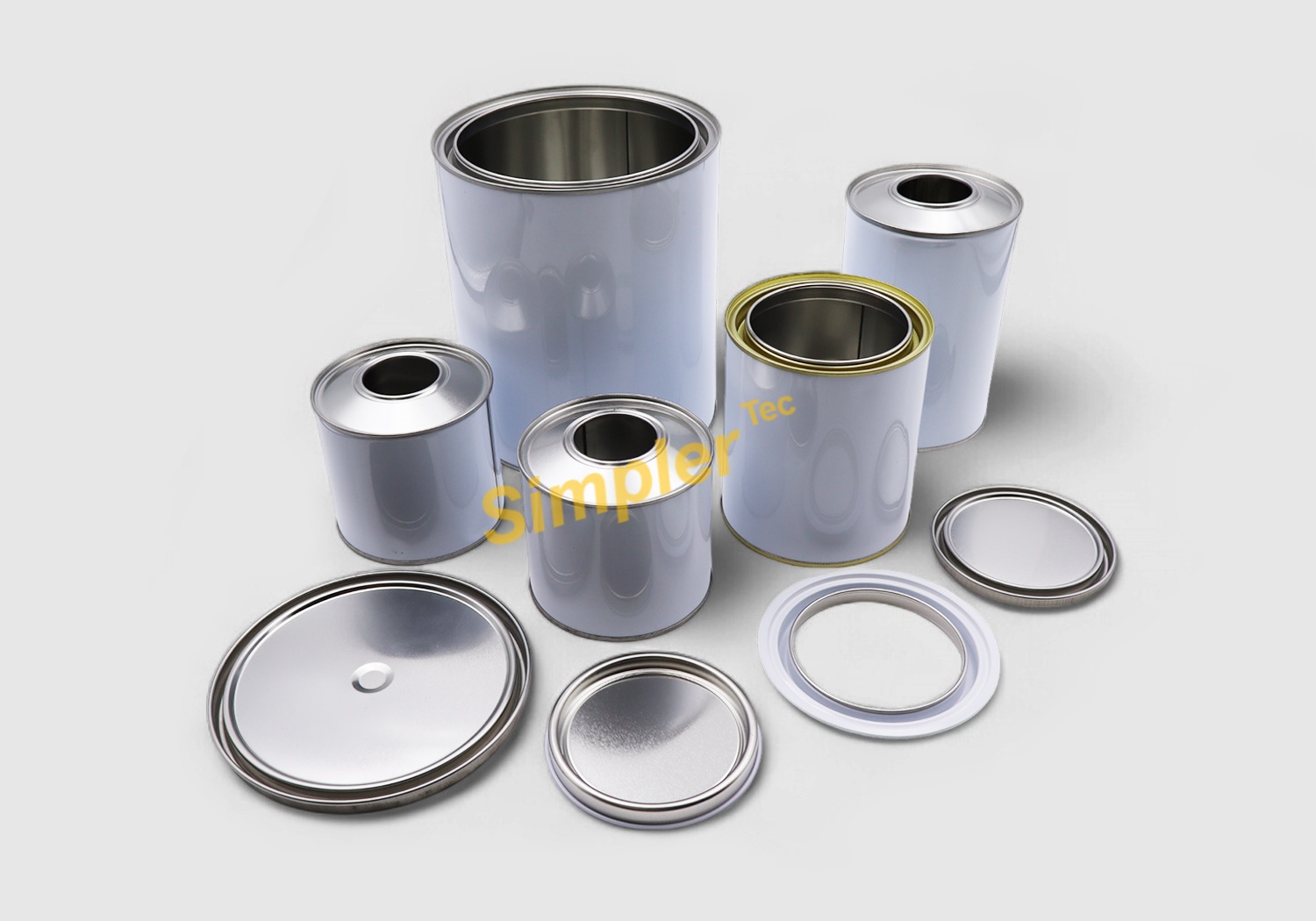
Using caps and tinplate can lids from the same supplier improves compatibility. This reduces sealing problems and simplifies sourcing.
So once the right cap is defined, the final question becomes who should supply it?
Why choose Simpler for metal finger press cap manufacturing
Choosing a supplier is about trust and capability. Simpler focuses on stable production and clear communication.
Consistent quality at scale
Simpler produces metal finger press cap products in large volumes while keeping quality consistent. This matters for long term supply.
Factory-direct efficiency
Factory direct sales help control costs and lead times. Buyers work directly with the manufacturer.
Complete tinplate solutions
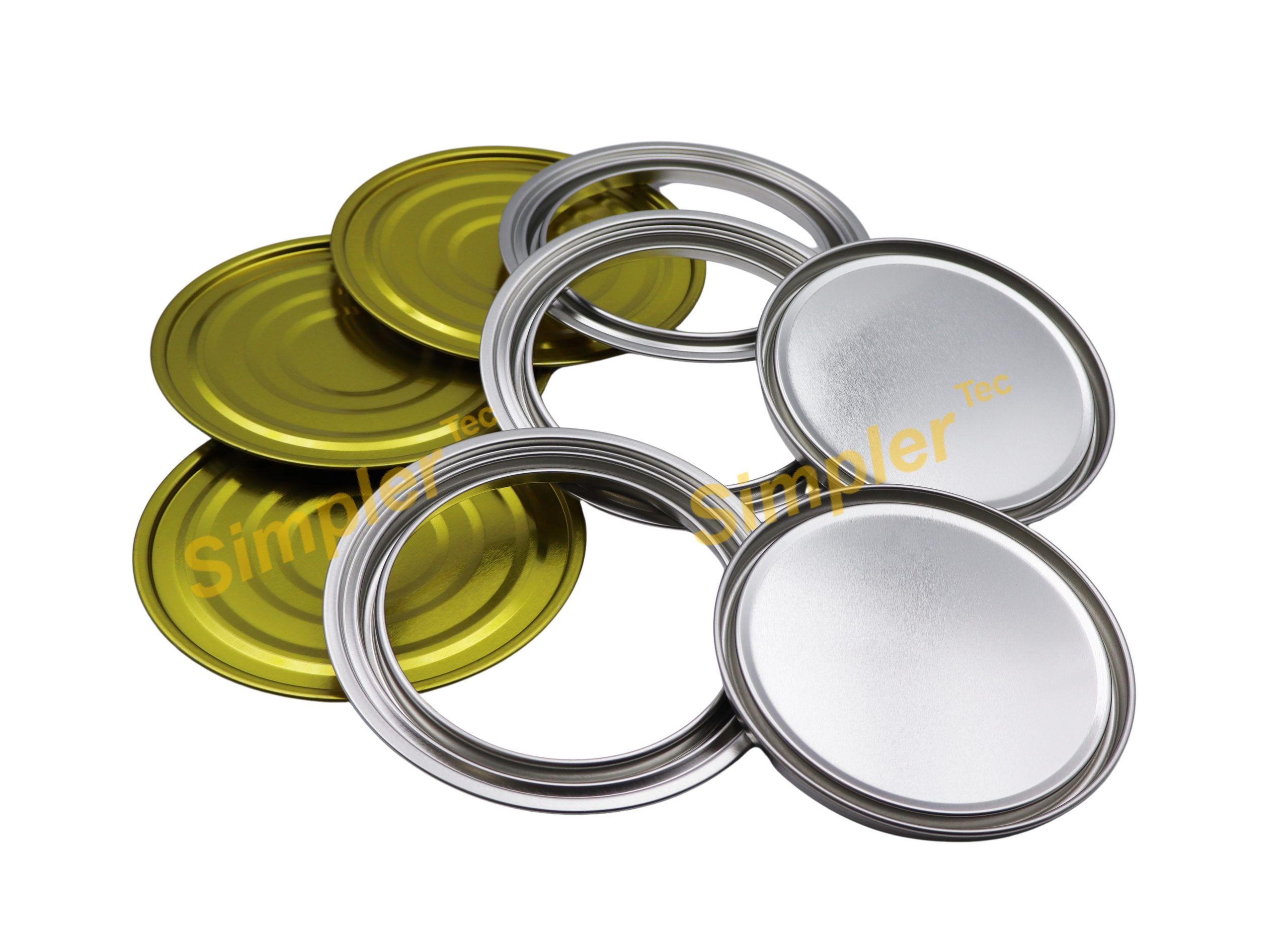
In addition to caps, Simpler supplies tinplate can lids. This helps ensure proper fit and sealing.
Custom support
Sizes, thickness, and printing can be customized to meet different needs, whether metal or plastic is chosen.
Conclusion
There is no single answer that fits every product. Plastic caps work well for many uses, especially when risk is low. Still, a metal finger press cap is often preferred when sealing strength, safety, and long term reliability matter most. By understanding materials, costs, and application needs, manufacturers can make smarter choices.
If you are evaluating options or planning a new project, the best next step is to talk through your requirements. Reach out to Simpler and share your container type, product, and market needs. A clear conversation can help you find the right solution with confidence.
FAQs
Buyers often want quick answers before they request samples. Here are common questions that come up in real sourcing conversations.
1. What containers work best with a metal finger press cap?
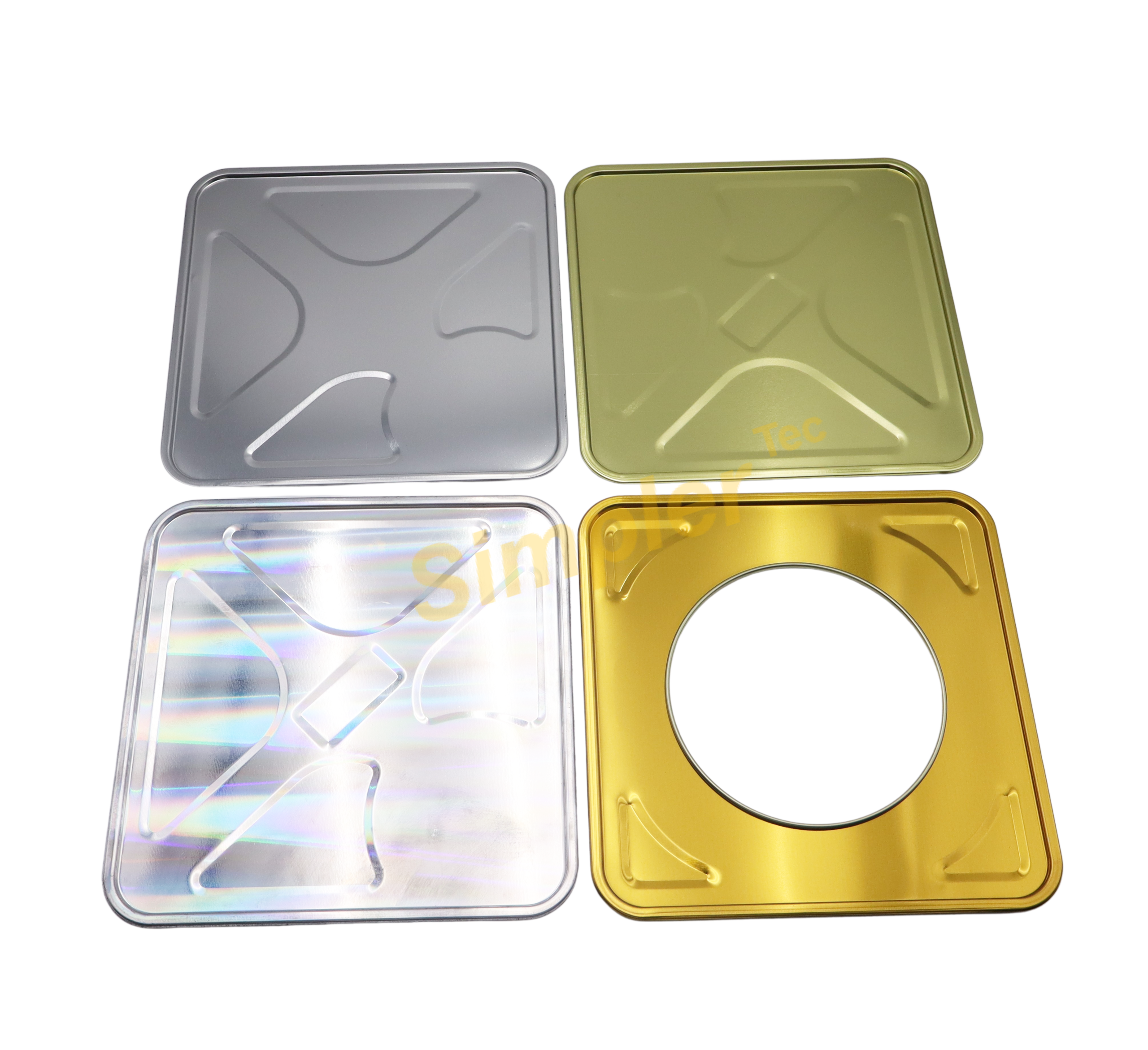
A metal finger press cap is commonly used with metal containers such as tinplate cans, square tins, motor oil cans, and certain chemical containers. The best fit depends on the opening design and the intended sealing method.
2. Can a metal finger press cap be customized in size and printing?
Yes. Many manufacturers can offer standard sizes such as 32mm, 42mm, and 60mm, and also support custom sizes. Printing patterns can also be customized for branding or product identification.
3. Is a metal finger press cap always more leak resistant than plastic?
Not always. A well designed plastic cap can seal very well. However, many manufacturers prefer a metal finger press cap for thin liquids, long storage, or harsh shipping because metal tends to keep sealing pressure more stable over time.
4. When should I choose plastic instead?
Plastic can be a strong choice when the product is not highly fluid, the route is stable, the storage time is short, or the budget is tight. Plastic can also be useful when a specific polymer offers better compatibility with certain chemicals.
5. How do I choose between 0.32mm and 0.35mm tinplate?
In general, thicker tinplate provides more rigidity. If your product is heavy, your shipping is rough, or you want extra durability, 0.35mm may be the better choice. If cost control is a higher priority and conditions are less demanding, 0.32mm may be enough.
6. What information should I provide when requesting a quote?
Provide the container type, opening size, contents, storage time, shipping route, target industry, and any requirements for printing or safety features. This helps the supplier recommend the best metal finger press cap option and confirm compatibility.