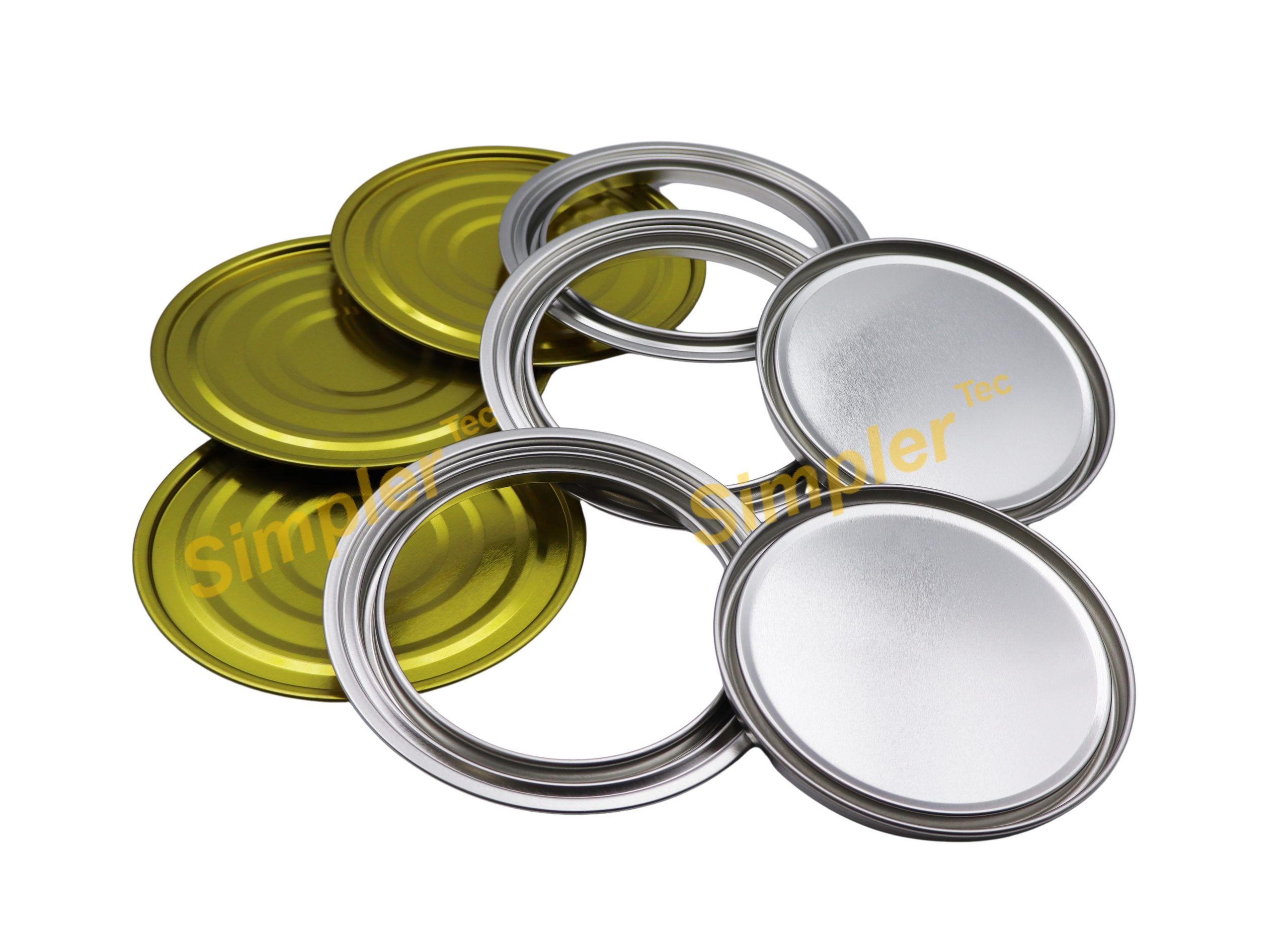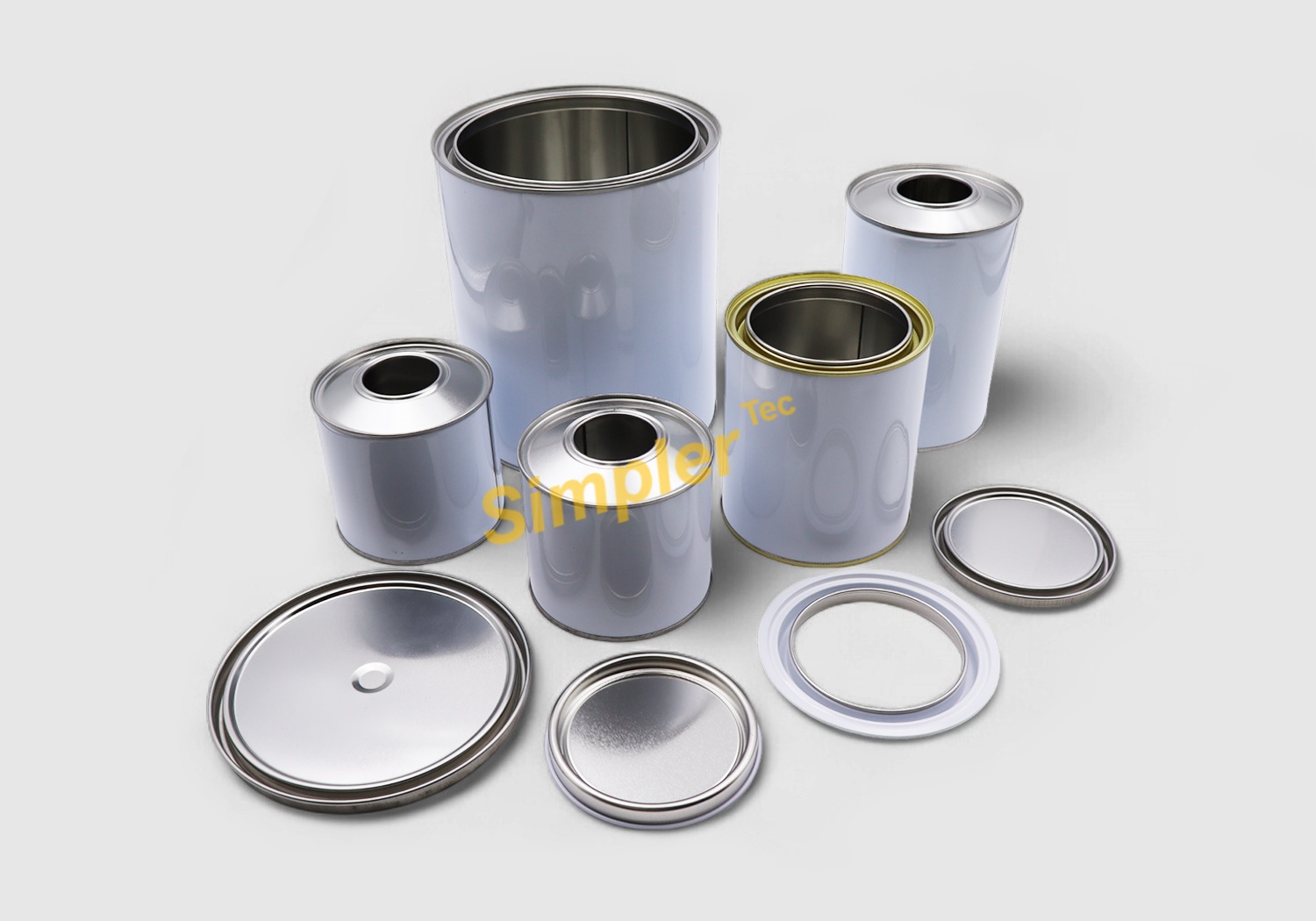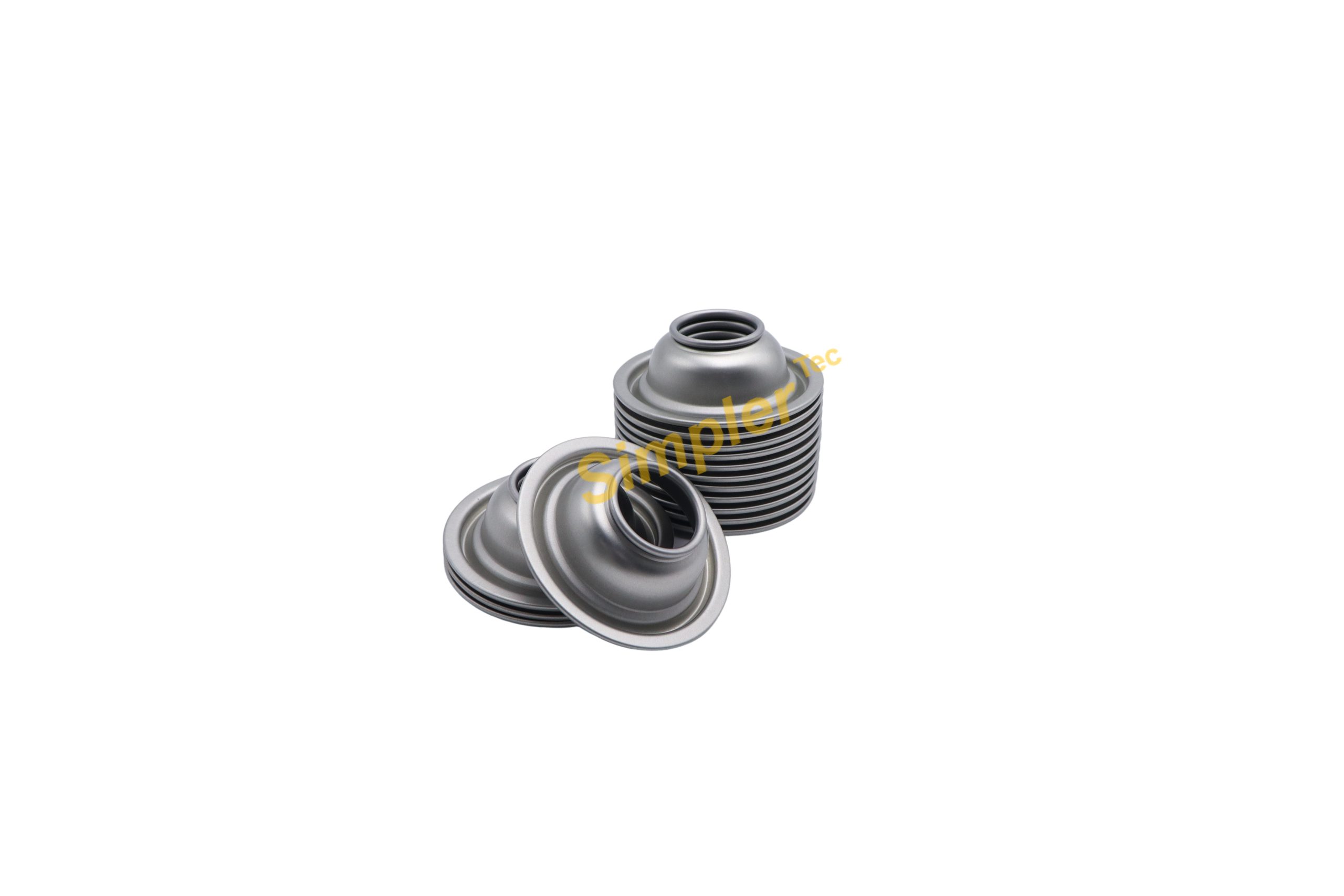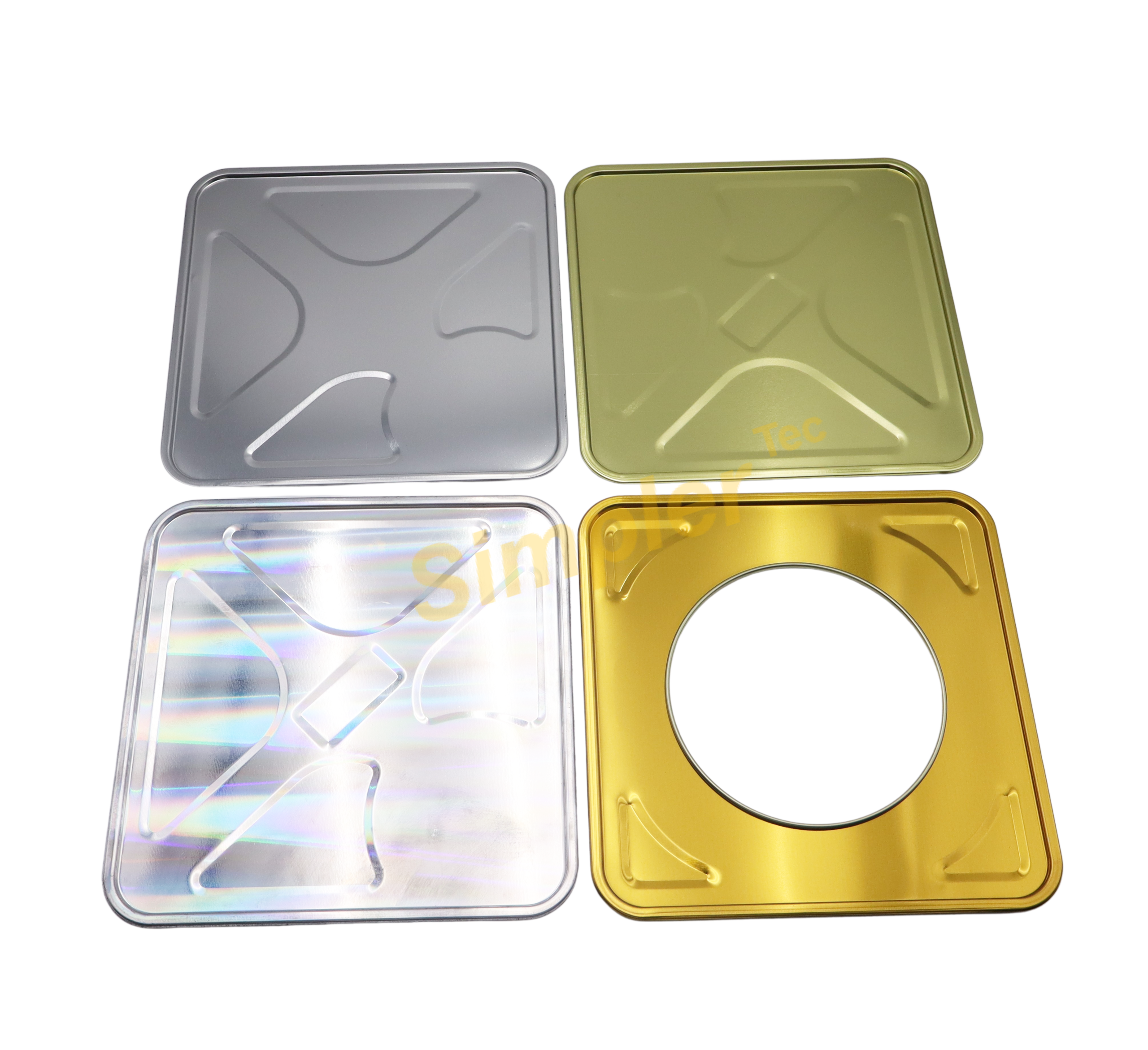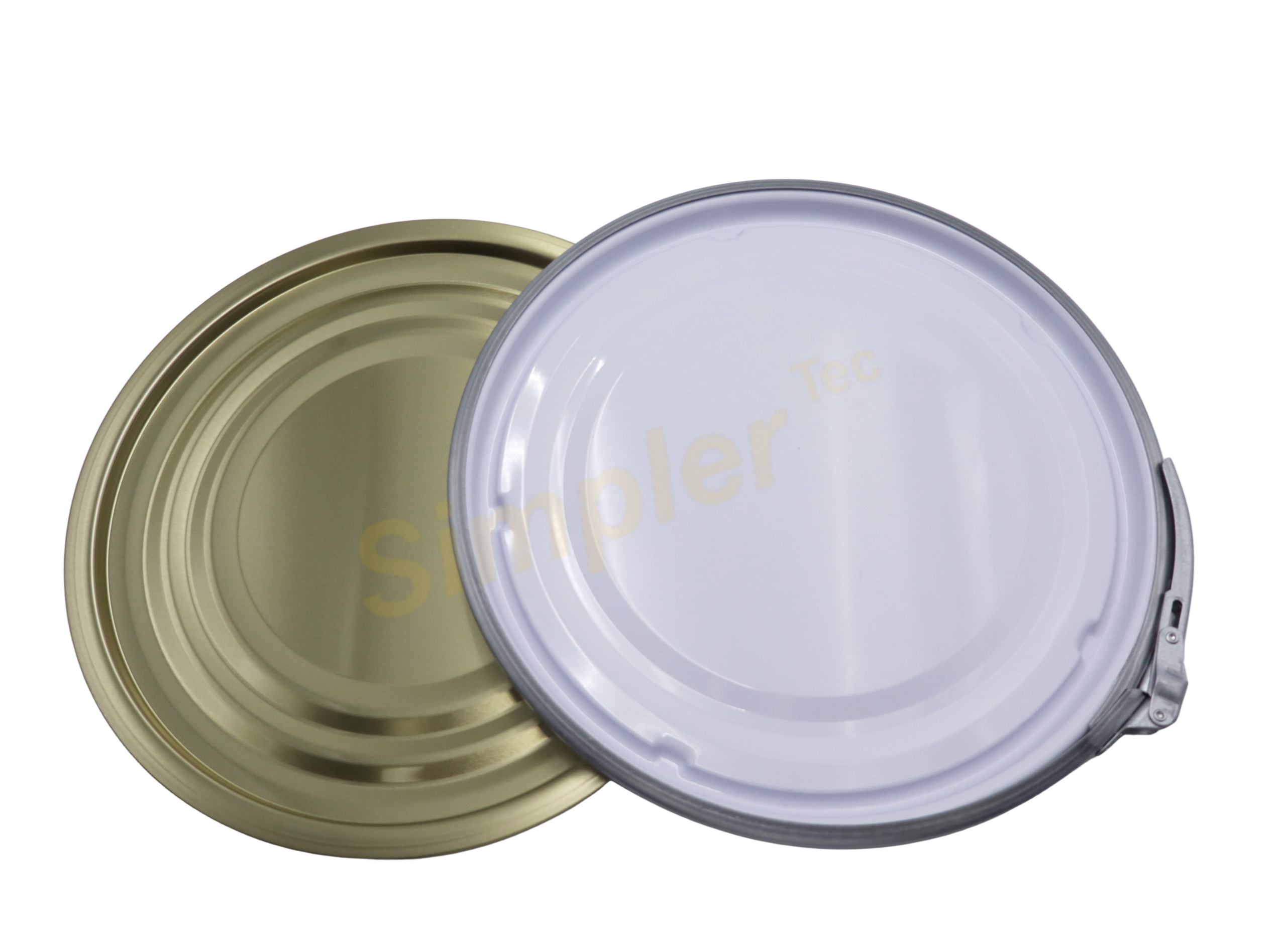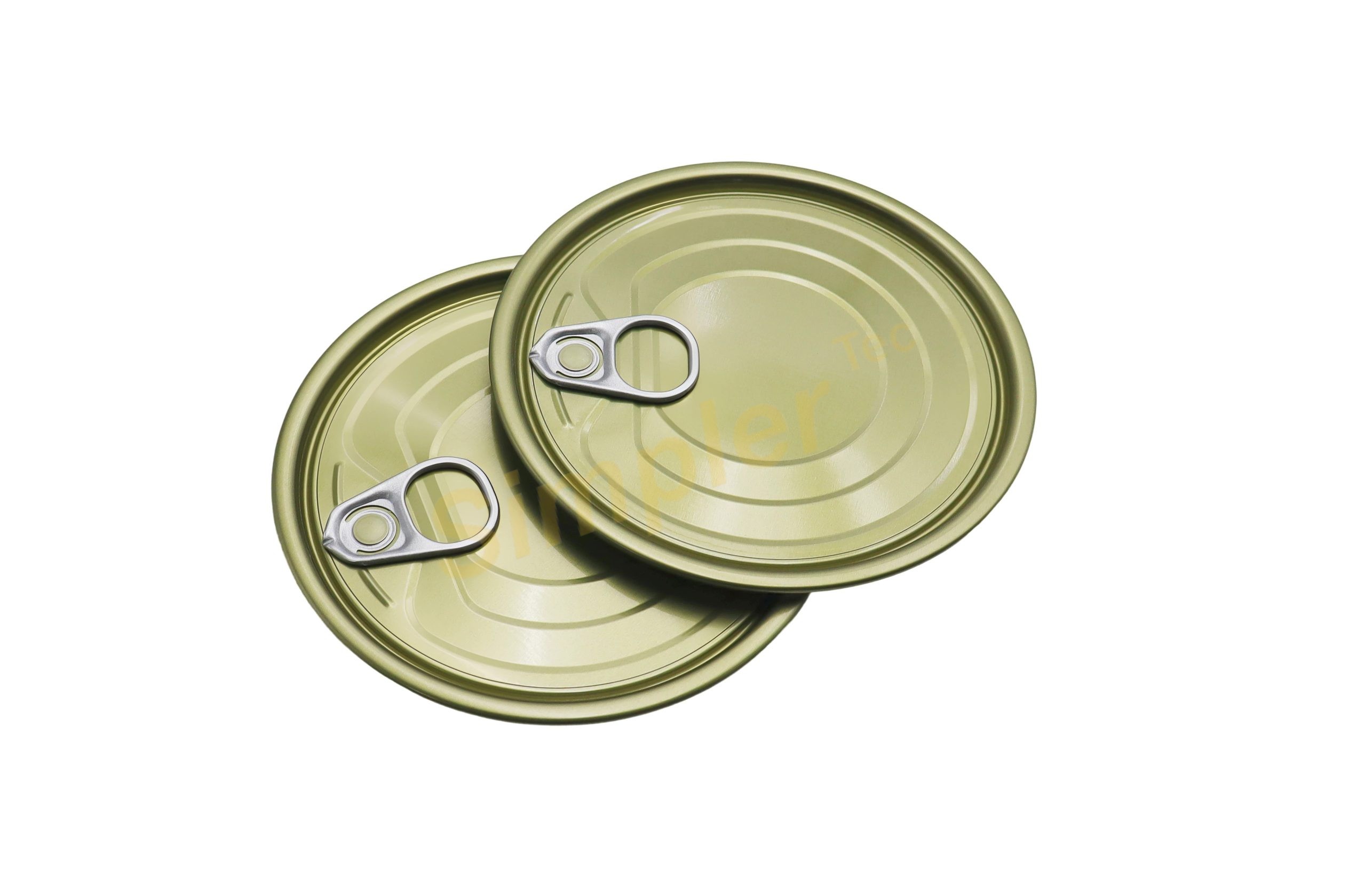
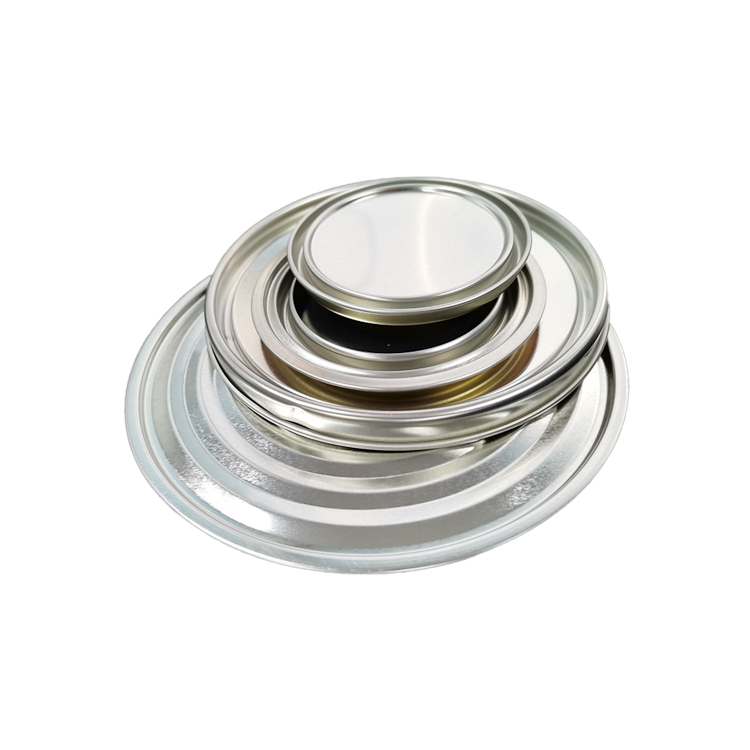
In the world of metal packaging, tinplate remains a cornerstone material for manufacturing cans, lids, and bases due to its exceptional corrosion resistance, formability, and recyclability. However, the stamping process—a critical stage in shaping tinplate into precise components—requires meticulous attention to prevent damage and ensure product longevity. At Simpler, a leading tinplate packaging solutions provider specializing in high-quality food and industrial can ends and bases, we prioritize innovation and precision to safeguard tinplate integrity at every production stage.
Why Protecting Tinplate Matters in Stamping
Tinplate’s protective tin coating shields the underlying steel from rust and chemical reactions, making it ideal for food safety and industrial applications. However, the mechanical stresses of stamping—such as cutting, bending, and pressing—can compromise this protective layer if not managed properly. Common risks include:
Surface Scratches: Improper handling or tooling can mar the tin coating, exposing steel to oxidation.
Edge Corrosion: Burrs or uneven edges created during stamping may trap moisture, accelerating corrosion.
Coating Fracture: Excessive force or friction can crack the tin layer, reducing barrier effectiveness.

How Simpler Safeguards Tinplate During Stamping
At Simpler, we combine advanced technology, rigorous quality control, and decades of expertise to mitigate these risks and deliver flawless tinplate components. Here’s how we ensure protection throughout the stamping process:
1. Precision Tooling Design
Our proprietary stamping dies are engineered with rounded edges and optimized clearance to minimize friction and prevent coating abrasion. By using CAD/CAM simulations, we refine tool geometries to reduce stress concentrations, ensuring smooth, uniform deformation of tinplate sheets.
2. Lubrication Optimization
Friction is a major enemy of tinplate during stamping. Simpler employs eco-friendly, food-grade lubricants that reduce heat and wear while maintaining compliance with global safety standards. This not only protects the tin layer but also extends tool life and reduces waste.
3. Controlled Production Environment
Humidity and temperature fluctuations can accelerate tinplate degradation. Our state-of-the-art facilities maintain stable environmental conditions, and raw materials are stored in climate-controlled warehouses to preserve coating integrity before processing.
4. Real-Time Quality Monitoring
Simpler integrates AI-powered vision systems to inspect tinplate surfaces pre- and post-stamping. Any defects—such as micro-cracks or coating inconsistencies—are flagged instantly, allowing for immediate adjustments. Our 100% inspection policy ensures only defect-free products reach clients.
5. Post-Stamping Treatments
For added protection, we offer optional post-processing solutions like edge sealing or lacquering. These treatments create an extra barrier against moisture and chemical exposure, ideal for harsh industrial environments or acidic food contents.

Simpler: Your Partner in Premium Tinplate Packaging
With a focus on innovation and sustainability, Simpler has become a trusted name in the global packaging industry. Our vertically integrated production line—from material sourcing to finished product—ensures full control over quality, cost, and lead times. Whether you require corrosion-resistant can ends for seafood packaging or robust bases for industrial lubricants, our solutions are tailored to meet stringent international standards (FDA, EU, ISO).