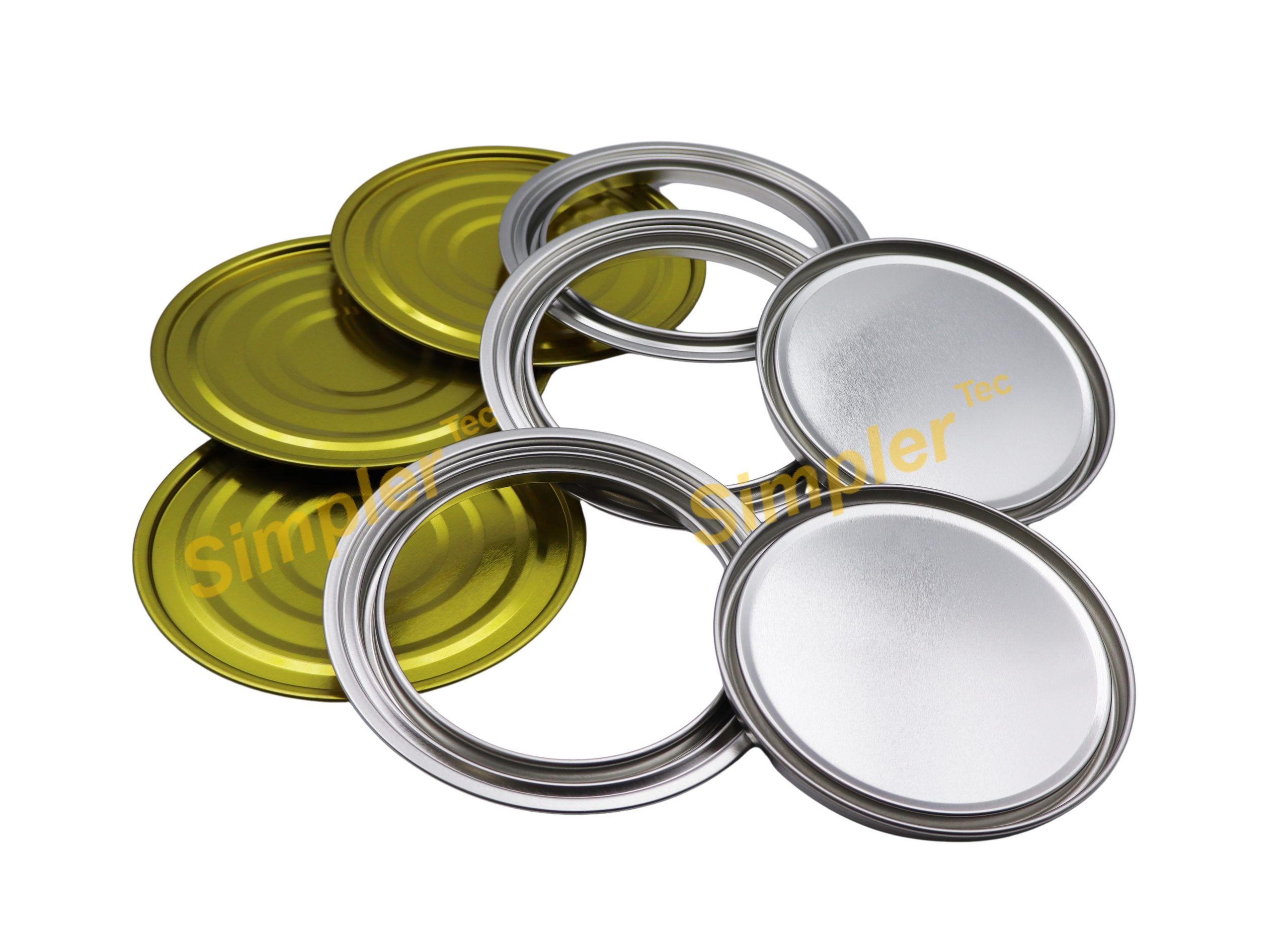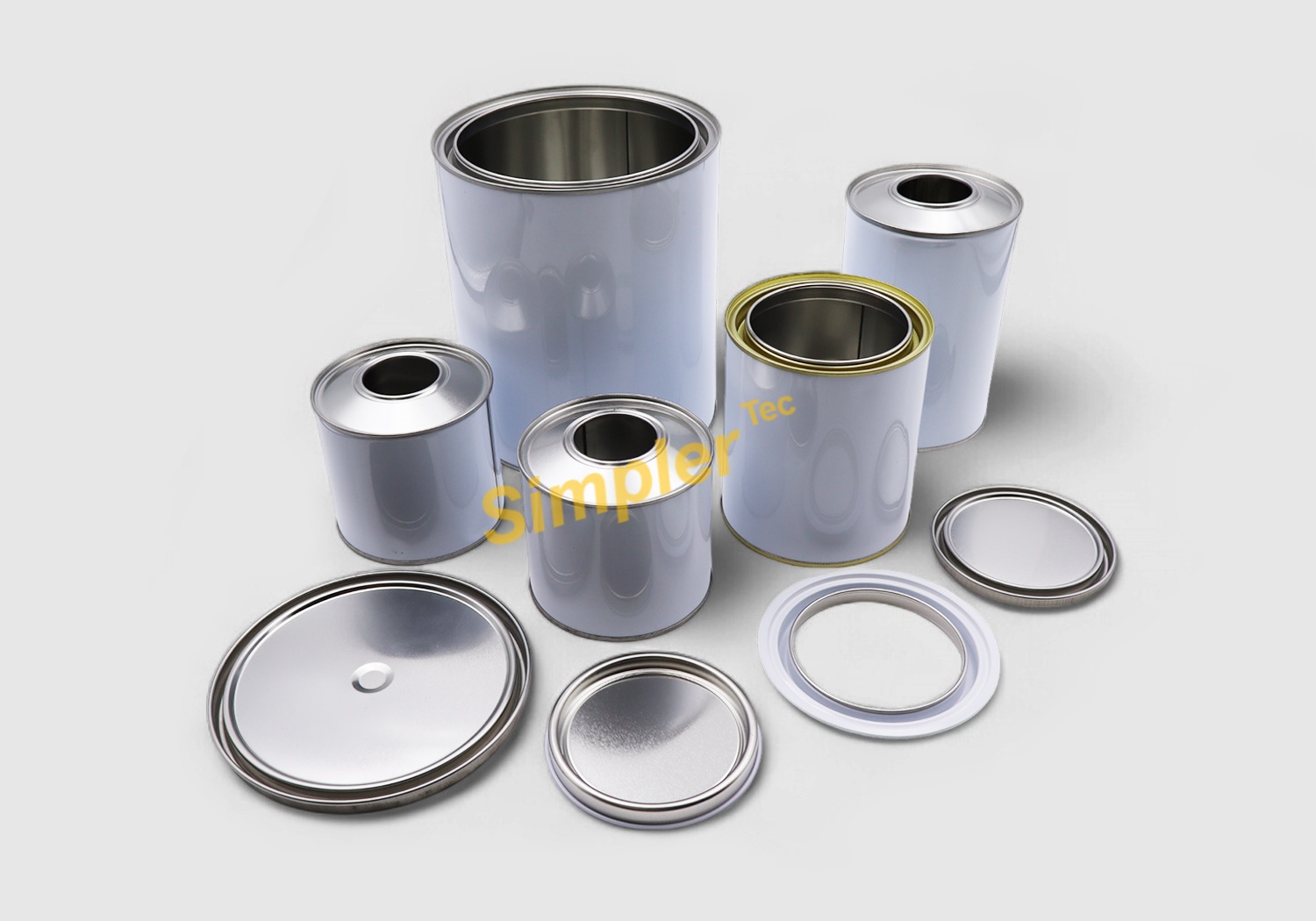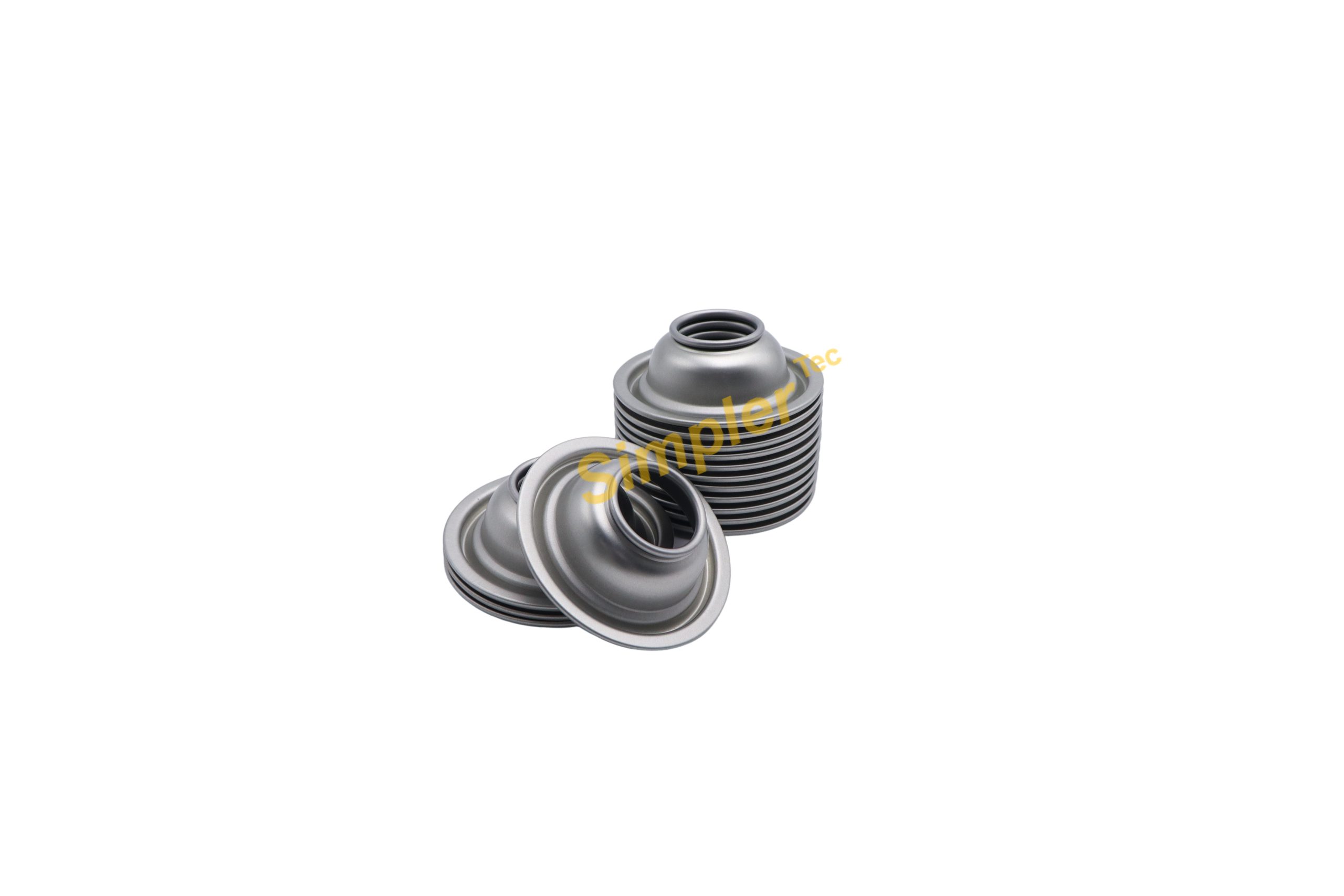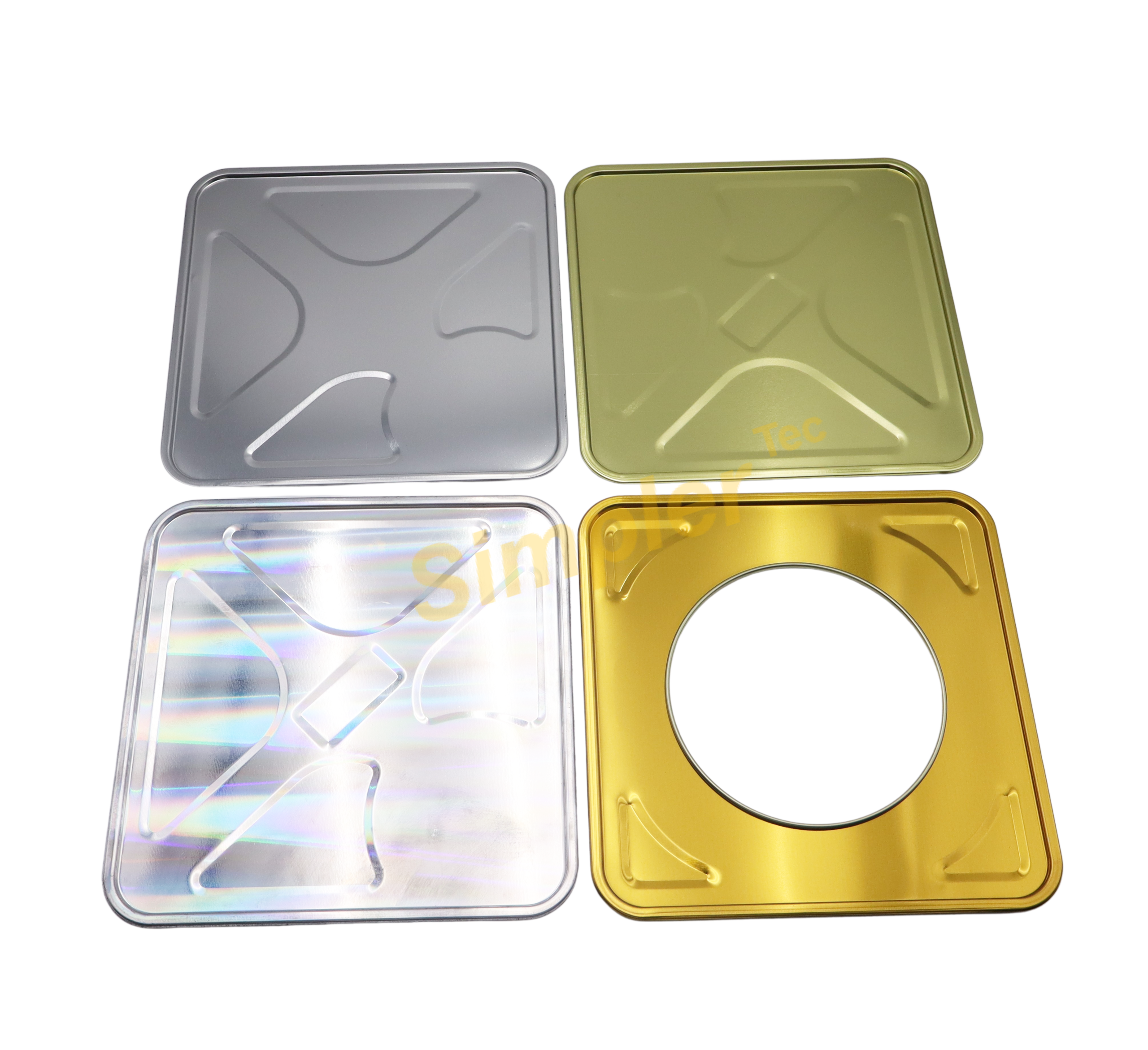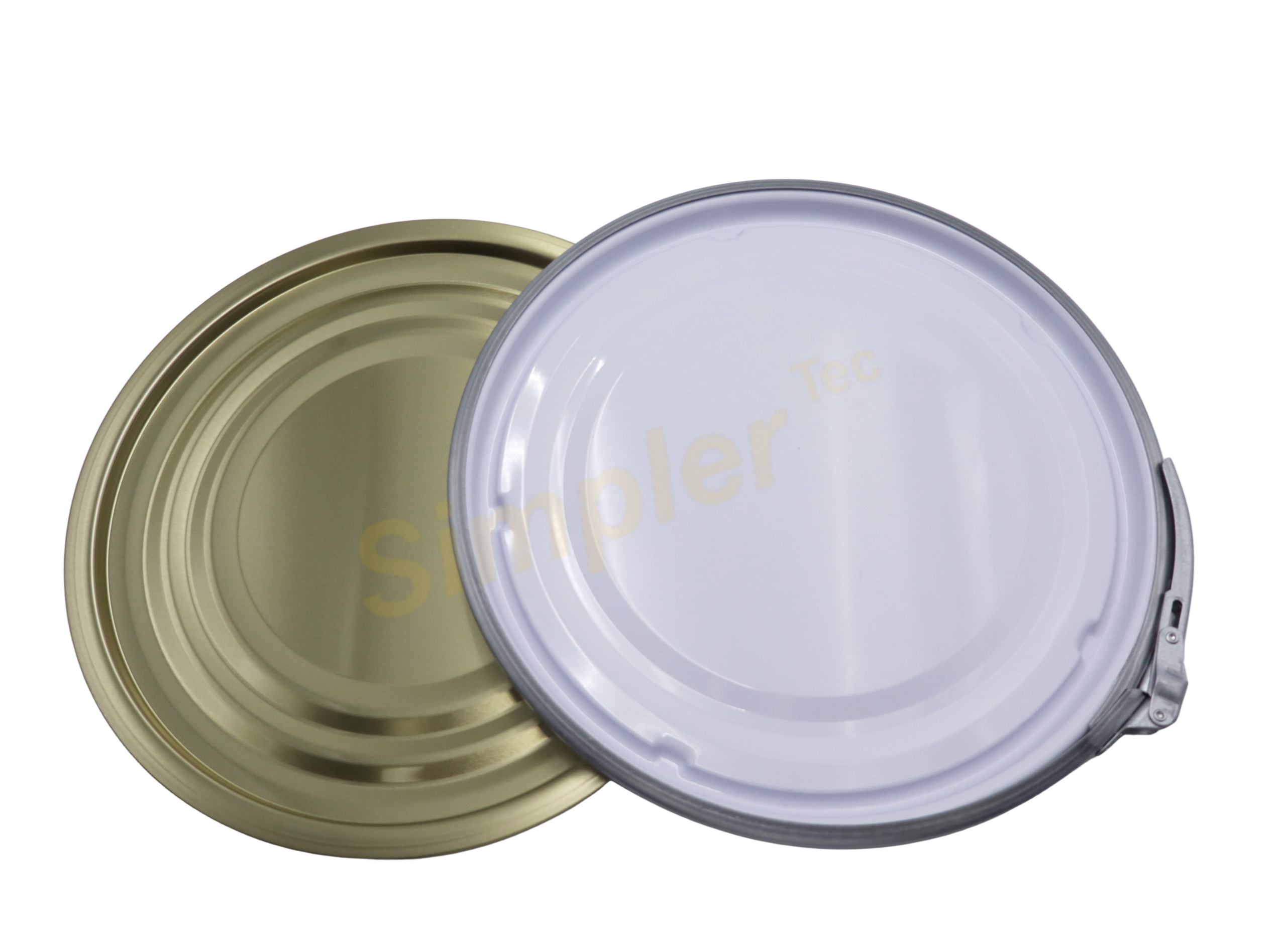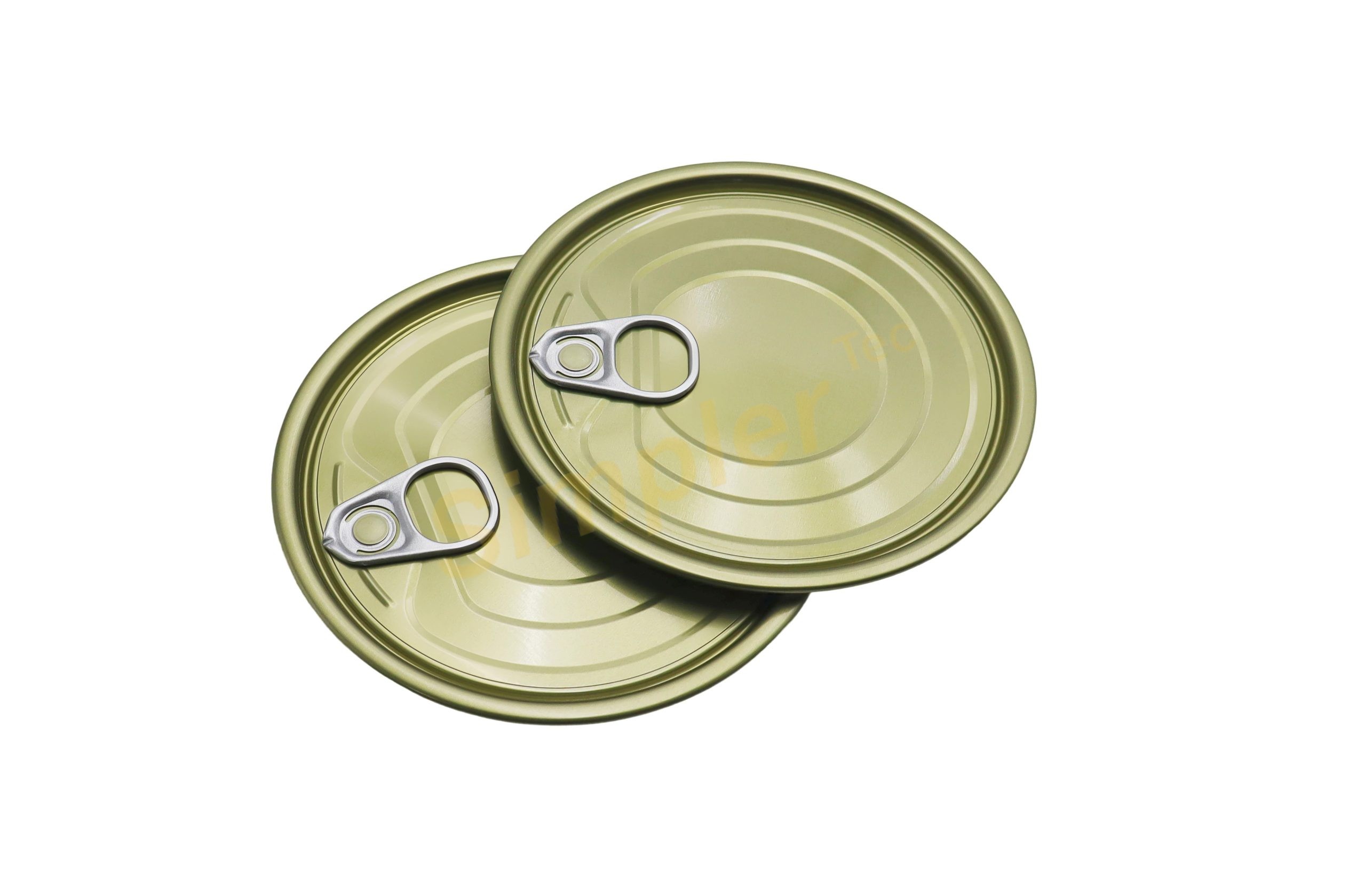
When we encounter a situation where the lid of an iron bucket is rusty, it’s important to understand the implications and the best course of action to take. In the world of metal containers, iron buckets, often made from materials like tinplate, are quite common. Tinplate is a thin sheet of steel coated with a layer of tin, which provides protection against corrosion and gives the metal a shiny appearance. This material is widely used in the manufacturing of various containers, including tin cans and the components of tinplate canisters.
The lid of an iron bucket, as a crucial tinplate can component, plays a vital role in maintaining the integrity of the container. It serves to keep the contents safe from external elements such as dust, moisture, and contaminants. When the lid starts to rust, it can pose several problems. Firstly, rust can compromise the seal of the lid. A compromised seal means that the contents inside the bucket are no longer adequately protected. For example, if the bucket contains food items, the ingress of moisture due to a rusty lid can lead to spoilage and the growth of mold or bacteria.
Secondly, rust can weaken the structural integrity of the lid. Tinplate, although initially resistant to corrosion due to the tin coating, can start to deteriorate when the tin layer is damaged, allowing the underlying steel to come into contact with oxygen and moisture. As the rust spreads, the lid may become brittle and more prone to cracking or breaking. This not only affects the functionality of the lid but also makes it difficult to open and close the bucket properly.
So, what can we do if we find that the lid of our iron bucket is rusty? The first step is to assess the extent of the rust. If it’s just a light layer of surface rust, it may be possible to clean and restore the lid. A simple method is to use a wire brush or sandpaper to gently remove the rust. After that, a coat of rust converter or primer can be applied to prevent further corrosion. Once the primer has dried, a topcoat of paint can be added to give the lid a fresh look and additional protection.
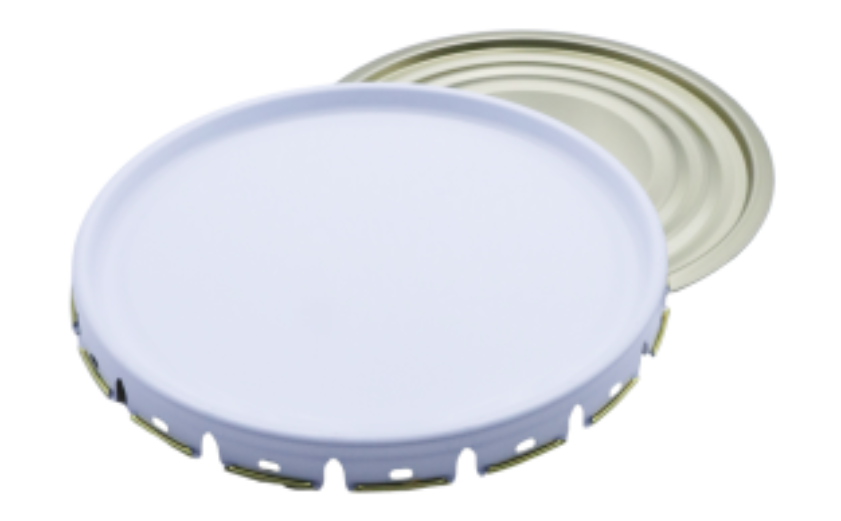
However, if the rust is more severe and has penetrated deeply into the tinplate, it may be necessary to replace the lid. When looking for a replacement lid, it’s important to ensure that it is compatible with the bucket. The dimensions and shape of the lid should match the opening of the bucket to ensure a proper fit. In some cases, it may be possible to find a replacement lid made from the same tinplate material as the original.
Tin cans, which are also made from tinplate, can sometimes face similar issues with their lids. Whether it’s a small tin can used for storing spices or a larger one for holding canned goods, a rusty lid can be a cause for concern. The same principles of assessment and treatment apply to tin can lids as well. If the lid is still in relatively good condition despite the rust, cleaning and maintenance can extend its lifespan. But if the rust has caused significant damage, replacement is the better option.
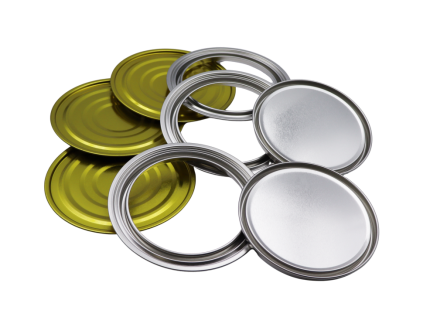
In conclusion, a rusty lid on an iron bucket or a tin can, as an important tinplate can component, should not be ignored. It can have a negative impact on the functionality and the safety of the container and its contents. By understanding the causes of rust and taking appropriate measures, such as cleaning, treating, or replacing the lid, we can ensure that our tinplate containers continue to serve their purpose effectively. Whether it’s for storing food, tools, or other items, keeping the lids in good condition is essential for the longevity and usability of these metal containers. Regular inspection and maintenance can go a long way in preventing rust and ensuring that our iron buckets and tin cans remain in optimal condition for years to come.